

If you live in Toronto and your painter did a bad job, or walked away halfway through, you are not stuck with peeling trim and half-painted rooms. Ontario homeowners have a clear path: document the work, give written notice, lean on the contract and warranty, then escalate only when needed. This plan comes from Home Painters Toronto, a family-run company with 1,200+ positive reviews and the HomeStars Best of Award 2026, and it builds on our full house painting guide. We get repair calls about rushed, sloppy or abandoned jobs from Scarborough and North York to Etobicoke every season. The disputes that get resolved fastest always start with a calm homeowner, clear dated photos and every repair request in writing.
If your painter did a bad job, photograph every defect and send a dated written list with a firm deadline for repairs. Check your contract and warranty terms next. If nothing changes, get an independent second opinion, file a complaint with Consumer Protection Ontario, or claim up to $50,000 in Ontario's Small Claims Court.
Key Takeaways
- Dated photos and a numbered defect list are your strongest evidence.
- Give the original painter one fair, written chance to fix the work before anyone else touches it.
- Most painting warranties cover peeling and poor adhesion, not wear, impact damage or leaks.
- Talk to a lawyer or licensed paralegal before you hold back money or file a claim.
| Problem | First Step | If It Isn't Fixed |
|---|---|---|
| Peeling or poor adhesion | Photograph it and request a warranty repair in writing | Second opinion, then a formal demand letter |
| Missed spots, drips or roller marks | Add each one to a written punch list | Written repair quote from another contractor |
| Painter stopped showing up | Send written notice with a return deadline | Legal advice, then a complaint or claim |
| Wrong colour or sheen | Compare the wall to the colour code in the contract | Correction at the painter's cost, or a claim |
| Paint on floors, glass or furniture | Photograph the damage and notify the painter in writing | Painter's liability insurer, then Small Claims Court |
Painter Did a Bad Job: What to Do First
When a painter did a bad job, the first move is to pause, document every defect and send a written repair request before anyone touches the walls. That record protects you whether the painter cooperates or not. It also stops the problem from getting harder to prove. Work through these steps in order.
- Pause further work on the affected areas. If the crew is still on site, ask them in writing to stop until you agree on fixes.
- Photograph every defect in daylight. Shoot at an angle near a window, since raking light shows roller marks and lap lines that flat light hides.
- Write a numbered defect list. Name the room, surface and problem for each item, such as "dining room, east wall, heavy roller marks."
- Pull out the contract and quote. Compare the finished work against the stated scope, product, sheen, colour code and coat count.
- Send a written notice by email. Attach the photos and the list, and set a clear, reasonable deadline for the painter to respond.
- Save every message. Texts, emails and voicemail transcripts all become part of your evidence.
Email beats a phone call for one simple reason: it creates a timestamp. If the painter calls back, send a short follow-up email that confirms what was agreed. Keep the tone factual and polite, even if you are frustrated. A judge, mediator or new contractor will read these messages later, and calm notes carry more weight.
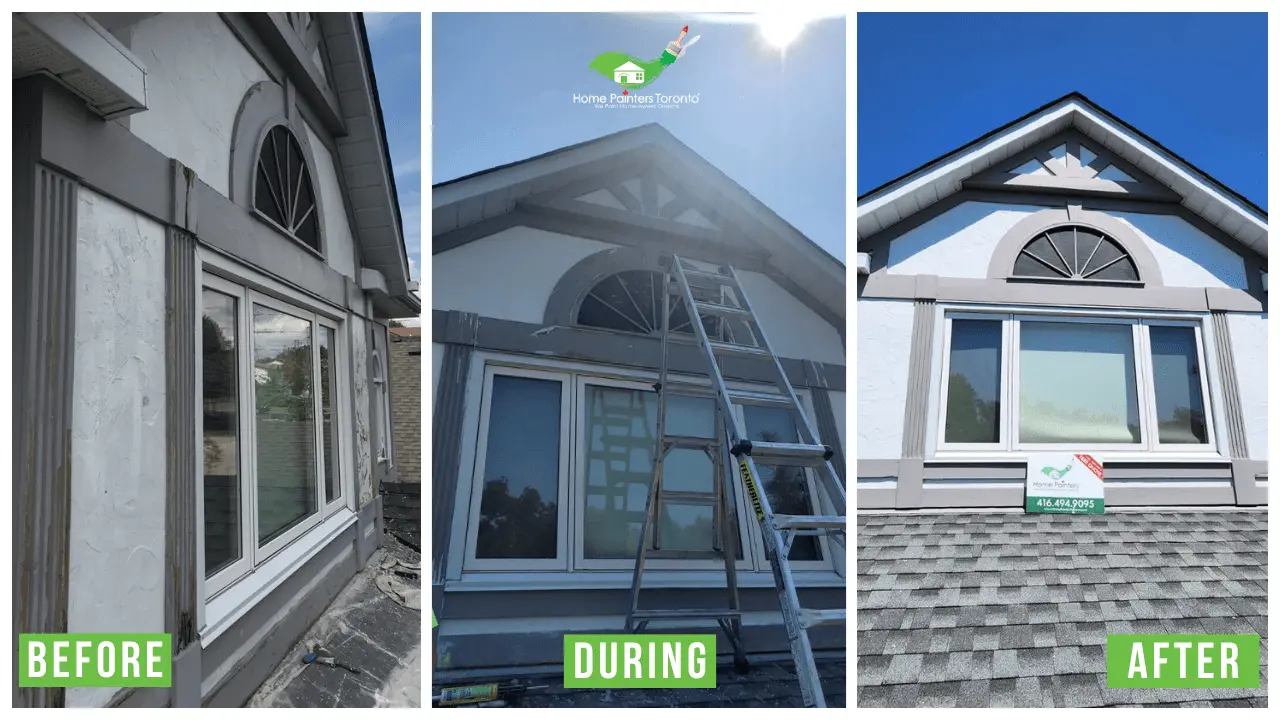
Bad Work vs Normal Variation: What Counts as a Defect
A defect is a flaw caused by poor preparation or application, such as peeling, missed spots or heavy drips. Normal variation is minor texture or a slight sheen change that only shows under harsh angled light. Knowing the difference keeps your complaint focused and credible. Judge most walls from a normal standing distance, not with a flashlight pressed to the surface.
| Issue | Likely Defect? | What It Usually Means |
|---|---|---|
| Peeling or flaking within months | Yes | Skipped sanding, cleaning or primer on glossy or bare surfaces |
| Paint scratches off with a fingernail | Yes | Weak adhesion over dust, grease or unsanded gloss |
| See-through coverage or missed patches | Yes | Too few coats or a thin film build |
| Heavy drips, sags or runs | Yes | Overloaded brush or roller that nobody caught |
| Paint on floors, glass or hardware | Yes | Poor masking and floor protection |
| Roller marks seen only in low angled light | Sometimes | Can be normal on large walls in eggshell or satin |
| Slight sheen change at touch-up spots | Usually not | Flashing is common on flat and eggshell finishes |
| Hairline crack at a drywall seam months later | Usually not | Often building movement, not the paint work |
A professional inspection follows a set routine before sign-off. Our punch list and final walkthrough guide shows how crews check each room, so you can compare that standard with what you received. Need a written repair scope for the items on your list? Our estimators can document each one during a free visit.
Why Most Bad Paint Jobs Fail at the Prep Stage
Most failures we repair trace back to skipped preparation, not to cheap paint. Glossy oil-based trim is the classic trap in older Toronto homes. Latex paint rolled over unsanded oil gloss can look fine for weeks, then peel off in strips once doors and casings get handled. The second trap is unprimed patching compound, which soaks up the topcoat and leaves dull spots called flashing. Paint is only as strong as the layer underneath it, so a fresh coat over a bad base will fail again.
If the Painter Left the Job Unfinished
If your painter left the job unfinished, document exactly what is done, send a written return deadline and protect the site before you bring in anyone else. Abandoned jobs often start with a missed day that turns into a missed week. A clear record now makes every later step easier. Use this list to cover the basics.
- Record every room with photos and a short video walk-through.
- List what is finished, partly done and untouched, matched to the contract scope.
- Send written notice asking for a firm return date, and keep a copy.
- Leave the painter's cans, ladders and drop sheets in place, since the labels show which products were used.
- Note every deposit and progress payment, with dates and amounts.
- Check the contract for clauses on delays, termination or abandonment.
Ontario's consumer protection guidance warns homeowners never to pay the full contract amount before the work is done. That advice matters most on abandoned jobs, because unpaid balances give you leverage to get the work completed. Track what you paid against what was delivered. A simple two-column table of payments and finished rooms often settles the question of who owes what.
Why Stopping Payment Can Backfire in Ontario
Stopping payment without a clear basis in the contract can backfire, because the painter may claim you broke the agreement first. Under Ontario's Construction Act, an unpaid contractor may also be able to register a lien against your property. That turns a paint dispute into a title problem on your home. Speak with a lawyer or licensed paralegal before you hold back any amount. Ask specifically how holdback rules apply to your contract and payment schedule.
Using the Warranty After a Bad Paint Job
A painting warranty usually covers workmanship failures such as peeling, blistering and poor adhesion. It rarely covers fading, impact damage or problems caused by moisture coming from the building itself. Read the written terms before you call, so you can name the covered defect. Our home painting warranty explainer walks through typical coverage in detail.
| Problem | Usually Covered? | Why |
|---|---|---|
| Peeling or flaking paint | Yes | Points to prep or application by the crew |
| Poor adhesion | Yes | Often caused by skipped primer or sanding |
| Blistering | Often | Covered unless a roof, plumbing or gutter leak caused it |
| Fading or chalking outdoors | No | Normal UV wear on every exterior coating |
| Scuffs, dents and chips | No | Physical damage is not an application defect |
| Cracks from house settling | No | Structural movement breaks the film from behind |
Warranty length also depends on the surface. HPT's published warranty schedule lists a lifetime warranty on interior painting, 3 years on exterior painting, 15 years on brick staining and 5 years on kitchen cabinet spraying. Other contractors set their own terms, so check the exact wording in your contract. One detail catches many homeowners off guard. Touch-ups by a different company can void some warranties, so always ask the original painter in writing first.
Getting a Second Opinion and a Repair Quote
A second opinion from an independent contractor tells you whether the work is truly defective, how to fix it and what the correction should cost. It also gives you a neutral written report to share with the first painter. Courts and mediators tend to trust a third-party assessment more than a homeowner's own description. Ask for these items during the visit.
- An on-site assessment, not a guess over the phone.
- A written scope that names each defect and its fix.
- A clear answer on spot repair versus full repaint for each wall.
- Product, sheen and coat count written into the quote.
- A line-by-line price, matching what belongs in a painting estimate.
Correction work often costs more than a fresh repaint of the same room. Crews may need to sand drips, strip failed paint or prime over bad patches before any new coat goes on. The ranges below come from HPT's current pricing guide and cover typical scopes.
| Repair Scope | Typical Range (CAD + HST) | Notes |
|---|---|---|
| Bathroom repaint | $250–$500 | Moisture-resistant finish usually needed |
| Bedroom repaint | $400–$800 | Extra prep can push it to the top of the range |
| Living or dining room repaint | $400–$900 | Large walls show roller marks the most |
| Trims, doors and baseboards | $700–$1,200 | Oil-to-latex failures need sanding and bonding primer |
| Ceilings | $1,000–$1,300 | Stains and flashing often need a primer coat |
| Small exterior correction | $2,000–$4,000 | Peeling over bare wood needs scraping and primer |
Hidden damage changes the scope. If the first crew painted over cracks, nail pops or soft patches, our in-house team handles drywall repair before repainting. Room repaints fall under our interior painting service. Peeling siding, trim and fascia are handled through exterior house painting, where weather timing also matters.
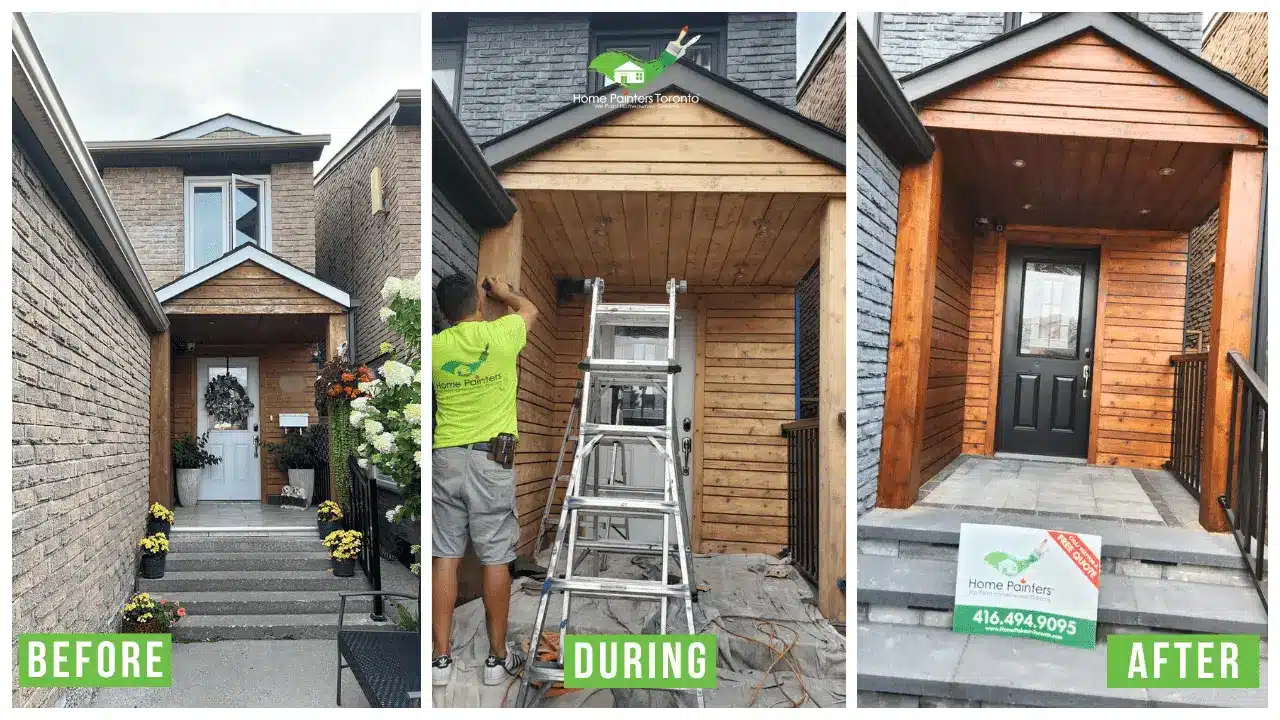
Complaints and Small Claims Court in Ontario
Ontario homeowners can escalate a bad painting job in three stages: a demand letter, a Consumer Protection Ontario complaint and a Small Claims Court claim. Each stage builds on the records you already have. Most disputes settle at the first stage once the painter sees you are organized. Move to the next stage only when the previous one fails.
Small Claims Court limit: Since October 1, 2025, the maximum Small Claims Court claim in Ontario is $50,000, as set out in Ontario Regulation 626/00 under the Courts of Justice Act.
| Stage | What It Does | Best For |
|---|---|---|
| Formal demand letter | Gives a final deadline and records your position | Every dispute, as the first formal step |
| Consumer Protection Ontario complaint | Flags possible breaches of the Consumer Protection Act, 2002 | Contract, cancellation or misleading quote problems |
| Small Claims Court | Lets a judge order payment up to the $50,000 limit | Repair costs or refunds the painter refuses to pay |
| Superior Court of Justice | Hears larger civil claims | Disputes above the Small Claims limit |
Consumer Protection Ontario takes complaints when you believe a business broke the Consumer Protection Act, 2002. The province also publishes a Consumer Beware List you can search before hiring anyone new. Timing matters as well. Ontario's Limitations Act, 2002 sets a basic two-year period to start most claims, counted from the day you discovered the problem. Confirm your exact deadline with a lawyer or licensed paralegal early.
This section is general information, not legal advice. Speak with a lawyer or licensed paralegal about your specific situation.
How to Avoid a Bad Painting Job Next Time
The best way to avoid a bad painting job is to hire a WSIB-compliant, fully insured contractor who puts the scope, products and payment schedule in a signed written contract. That is more than good practice. Under Ontario law, any home renovation contract worth more than $50 must be in writing. The province also lists a 10-day cooling-off period for these contracts when signed in your home. Use this checklist before you sign.
- A written scope that lists every room, surface and repair.
- Brand, product line, sheen, colour code and number of coats.
- Proof of workers' compensation coverage, and a way to verify a WSIB clearance certificate.
- Proof of general liability insurance.
- A payment schedule tied to finished milestones, never full payment upfront.
- A clear answer on who does the work, explained as in-house crew vs subcontractors.
- Reviews checked on third-party sites, using tips on verifying home painting reviews.
- Milestone photos after prep, primer and each coat.
- A written warranty that names the covered defects.
Contract wording is where most disputes are won or lost. Our guide to the Consumer Protection Act rules for painting contracts explains change orders, deposits and cancellation rights in plain language. Ask every contractor the same questions, then compare their written answers side by side.
Bad Painting Job FAQs
You can dispute payment, but refusing to pay without a contract basis can expose you to a breach claim or even a lien. Put your concerns in writing first and ask for repairs by a set date. Get legal advice before you hold back any amount, especially if your contract has a payment schedule.
Send a written notice that lists the unfinished work and sets a firm return date. If the painter misses that date, keep your records and ask a lawyer whether you can end the contract. Bring in another contractor only after that step, so your claim stays clean.
Yes, once you have given the first painter a fair written chance and documented the job. The new contractor should assess the work and quote the correction in writing. Their report and invoice can support a later claim for the repair costs.
Most claims in Ontario must start within two years of discovering the problem, under the Limitations Act, 2002. Some situations follow different rules. Confirm your deadline with a lawyer or paralegal as soon as the dispute begins.
It may not be. Many painting warranties exclude surfaces that another company has touched up, because nobody can tell which work failed. Ask the original painter to fix the problem in writing first, and keep their reply on file.
You can file a complaint with Consumer Protection Ontario if you believe a contractor broke the Consumer Protection Act, 2002. You can also post factual reviews on HomeStars or Google. For money owed, Small Claims Court is the usual route.
When a Painter Did a Bad Job: A Calm Plan
When a painter did a bad job, a calm, written, step-by-step approach gets the work fixed faster than an angry phone call. Document the defects, send written notice and check your warranty first. Get a neutral second opinion next, then escalate to Consumer Protection Ontario or Small Claims Court only if needed. Each step builds the record that protects your home and your money.
Home Painters Toronto has served Toronto homeowners since 1991 and has painted 20,000+ homes across the GTA. Founder Brian Young brings four decades of painting industry experience to every repair assessment. Our crews are WSIB-compliant, fully insured with $5M in general liability coverage, and they deliver warranty-backed work on every project. We document each correction with photos and measurements, so you always know what was fixed.

Need a second opinion on a bad paint job or an unfinished project? We offer fast, free quotes and warranty-backed work across Toronto and the GTA.
Contact Home Painters Toronto Now!