

Replacing Metal Door Casings With Wood: What Homeowners Should Know
Replacing metal door casings with wood is a popular exterior upgrade for Toronto homeowners who want a warmer, more traditional look at their front entrance, but the decision carries real moisture and maintenance trade offs that deserve consideration before any material comes off the wall. Home Painters Toronto, the HomeStars Best of Award 2026 winner with over 1,200 positive reviews and 37 years serving the GTA, has replaced metal casings with wood and repaired wood casings damaged by moisture across homes in North York, Etobicoke, Leaside, and Riverdale. Door casings protect the edges of the door assembly while shaping the architectural character of the entrance. This guide covers when the switch from metal to wood makes sense, the specific moisture risks Toronto's climate introduces, and what a proper replacement and finishing process looks like.
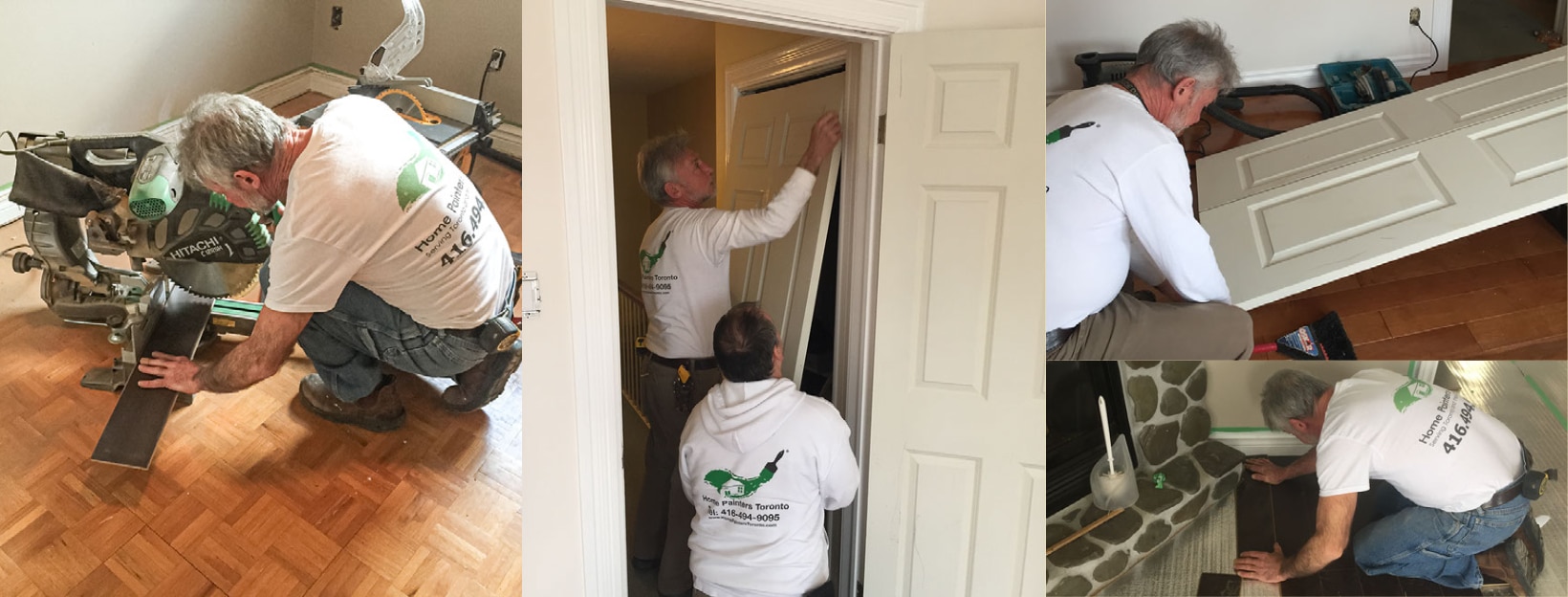
Replacing metal door casings with wood gives a Toronto entrance the traditional, detailed appearance that matches original window and porch trim — but the upgrade only pays off with correct end-grain sealing, flashing, and ongoing maintenance.
Why Door Casings Matter on a Toronto Home
Exterior door casings play both a functional and visual role on a home. They help protect the edges around the door assembly while also contributing to the overall architectural appearance of the exterior. Some Toronto homeowners choose to replace metal door casings with wood to create a warmer appearance, match older architectural styles, or improve design consistency across the home's exterior. If exterior trim, door frames, or siding need repairs or repainting, our team provides professional exterior wood repair and carpentry and exterior painting Toronto services tailored to the city's specific climate demands.
Switching from metal to wood also introduces different maintenance and moisture considerations that homeowners should understand before the project begins. Wood and metal behave very differently when exposed to Toronto's freeze and thaw cycling, and the decision to switch materials should account for that difference, not just the visual outcome.
Why Homeowners Replace Metal Door Casings With Wood
Aesthetic motivations drive most replacement decisions. Wood trim provides a more traditional appearance, additional architectural detail through profile and moulding options, better compatibility with the design language of older Toronto homes, and easier customisation and profiling than standard metal extrusions allow.
Damage to the existing metal casing is the second common driver. Dented, corroded, or improperly installed metal trim sometimes makes replacement the more practical choice over repair, particularly when the homeowner is already planning an exterior refresh and wants to address the casing at the same time as other surface work.
Differences Between Metal and Wood Door Casings
Appearance and Architectural Style
Wood casings are often preferred on heritage homes, traditional exteriors, and custom renovation projects across Toronto's established neighbourhoods. They create a more detailed and visually warm appearance compared to the simpler profiles typical of metal trim systems, which is precisely why so many homeowners with original wood trim elsewhere on the home want their door casings to match.
Maintenance Requirements
Wood trim generally requires more maintenance than metal. This includes periodic repainting, caulking renewal at joints, ongoing moisture protection, and repairs as the material ages. Metal trim systems usually require less ongoing upkeep but offer fewer design customisation options and a flatter, less detailed appearance.
Moisture and Weather Exposure
Wood is more vulnerable to moisture exposure than metal if it is not properly protected. In Toronto's climate, freeze and thaw cycling and prolonged moisture exposure can eventually lead to peeling paint, wood rot, cracking, and joint separation at the casing. Proper installation and exterior protection are critical for long term durability, and this is the single biggest factor separating a wood casing replacement that lasts fifteen years from one that fails within three.
Metal vs Wood Door Casings: Full Comparison for Toronto Homes
| Factor | Metal Casing | Wood Casing |
|---|---|---|
| Initial appearance | Clean, flat, minimal detail; suits modern and mid century homes | Traditional, detailed profiles; suits heritage and character homes |
| Maintenance frequency | Low; occasional cleaning; rarely needs repainting | Moderate to high; repainting every 5 to 7 years; caulking renewal |
| Moisture vulnerability | Low; does not rot, though can corrode at scratches or joints | High; requires consistent paint film and caulking to prevent rot |
| Toronto freeze and thaw performance | Stable; minimal expansion and contraction issues | Variable; depends entirely on installation quality and finish maintenance |
| Customisation options | Limited to manufactured profiles | Extensive; custom millwork, mouldings, and profile matching available |
| Lifespan with proper care | 15 to 25 years with minimal intervention | 10 to 15 years with consistent maintenance; can fail in 2 to 3 years if neglected |
| Repair approach when damaged | Often requires full section replacement | Can often be repaired in place with wood filler, splicing, or partial replacement |
| Best for | Modern homes; low maintenance priorities; budget conscious exteriors | Heritage homes; homes with existing wood trim; design forward renovations |
When Replacing Metal Door Casings With Wood Makes Sense
Replacing metal trim with wood may be a practical option when homeowners want a more traditional appearance, when nearby trim on the home is already wood and consistency is the goal, when broader exterior architectural upgrades are already planned, or when damaged metal trim requires replacement regardless and the homeowner is reconsidering the material at that point.
The decision often depends on balancing appearance, maintenance expectations, and long term durability goals. A homeowner who values low maintenance and does not mind the flatter appearance of metal may be better served by repairing or replacing in kind. A homeowner who wants the architectural character of wood, and is prepared for the ongoing maintenance that comes with it, will find wood casings a worthwhile upgrade.
Common Problems Around Exterior Door Casings in Toronto
Door casings are exposed to constant weather conditions and moisture exposure regardless of material. Common problems our team encounters across Toronto homes include failed caulking at the casing to-siding joint, water intrusion behind the trim, peeling paint, soft or rotted wood, and separation at mitred corners and joints.
Many of these issues develop gradually and worsen significantly when maintenance is delayed. According to Fine Homebuilding's guide on window, door, and trim cap flashing, the International Residential Code requires corrosion resistant flashing at window and door openings specifically to prevent water from reaching the wall cavity and structural framing. A door casing without correctly installed flashing above it is one of the most common entry points for water intrusion on any home, regardless of whether the casing itself is wood or metal.
Common Door Casing Problems: Causes and Fixes
| Problem | Cause | Fix |
|---|---|---|
| Failed caulking at joints | UV exposure and seasonal movement break down caulk over 3 to 5 years | Remove old caulk, clean joint, reapply paintable exterior acrylic or polyurethane caulk |
| Water intrusion behind trim | Missing or improperly installed flashing above the casing | Remove casing, inspect and correct flashing, reinstall with proper overlap and seal |
| Peeling paint on wood casing | Moisture trapped behind paint film, or paint applied without proper primer | Scrape to sound substrate, address moisture source, prime with oil based primer, repaint |
| Soft or rotted wood | Sustained moisture exposure from failed caulking, flashing, or paint film | Remove and replace rotted sections; cannot be painted over without addressing rot |
| Separation at mitred corners | Seasonal wood movement; inadequate fastening at installation | Re glue and re fasten corner joints; caulk and seal before repainting |
| Corrosion on metal casing | Scratches or dents exposing bare metal to moisture | Sand to bare metal, apply rust inhibiting primer, repaint with exterior enamel |
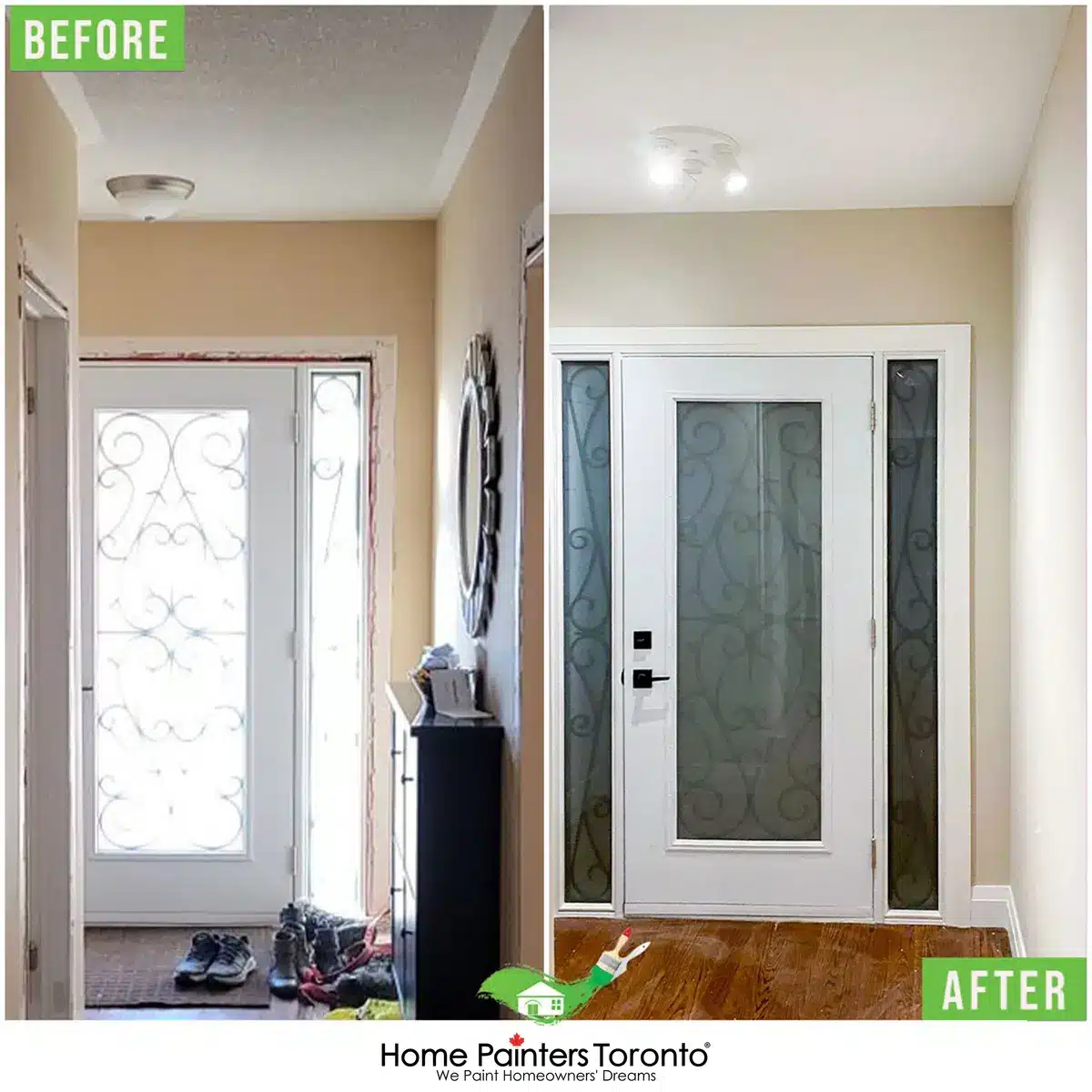
Correcting flashing above the door header before installing new wood casing is the step that most DIY replacements skip — and the reason hidden moisture damage so often reappears within a season or two.
How Exterior Door Casings Are Properly Replaced
Removing Existing Materials
The replacement process begins with careful removal of the existing metal trim without damaging the surrounding siding or wall surface. This step often exposes hidden moisture problems behind the casing that were not visible from the exterior, which is why professional assessment during removal matters as much as the installation that follows.
Inspecting for Hidden Moisture Damage
Before new materials are installed, the surrounding structure is inspected for soft wood, trapped moisture, deteriorated sheathing, and failed flashing or caulking. Ignoring these issues leads to premature failure of the new trim regardless of how well the new wood casing itself is installed. According to CMHC's guidance on home maintenance and protecting your investment, addressing moisture related issues proactively during any renovation or replacement project protects the long term value of the home far more effectively than addressing only the visible surface symptoms.
Installing New Wood Casings
New wood casings are installed with proper spacing, fastening, and sealing. The quality of this installation directly affects the long term moisture resistance and paint durability of the finished trim. End grain at all cut edges is sealed before installation, and all joints are designed to shed water away from the wall assembly rather than allowing it to pool or wick into the wood.
Priming and Painting the Surface
Wood trim is primed and painted properly after installation, and exterior coatings protect the surface from moisture and seasonal weather exposure. For homeowners completing larger exterior upgrades, casing replacement is often combined with professional exterior painting Toronto services to maintain a cohesive appearance across the home, since the new wood casing needs to be colour matched and finish matched with the rest of the exterior trim.
Primer and Paint for New Wood Door Casings in Toronto
| Stage | Product Type | Recommended Products | Why |
|---|---|---|---|
| End grain sealing | Wood end grain sealer or extra primer coat | Benjamin Moore Fresh Start; any quality oil based primer applied liberally to cut ends | End grain absorbs moisture far faster than the face grain; sealing prevents wicking |
| Primer | Oil based exterior primer | Benjamin Moore Fresh Start Oil Based; Sherwin Williams Exterior Oil Based Primer | Penetrates new wood grain; creates the strongest adhesion base for topcoat |
| Topcoat | 100% acrylic exterior paint, semi gloss or satin | Benjamin Moore Aura Exterior; Sherwin Williams Emerald Exterior | Flexible film withstands Toronto freeze and thaw cycling; UV resistant; sheds water |
| Joint sealant | Paintable exterior acrylic or polyurethane caulk | Any premium paintable exterior caulk rated for joint movement | Seals the casing to-siding joint against water intrusion; must be paintable to match finish |
Common Mistakes Homeowners Make During Door Casing Replacement
- Installing wood without proper end grain sealing or caulking at all joints
- Ignoring moisture problems behind the trim discovered during removal, rather than addressing them before reinstalling
- Using interior grade materials or interior grade paint products outdoors, which fail rapidly under exterior exposure
- Failing to maintain caulking and paint systems on a regular schedule once the new casing is installed
Many long term trim failures are caused by improper preparation rather than the material itself. A wood casing installed and finished correctly outperforms a poorly installed casing of any material, including metal.
Why Proper Preparation and Painting Matter for Wood Door Casings
Exterior trim systems depend heavily on proper preparation. Without correct priming, caulking, and painting, moisture can penetrate the wood, paint may fail prematurely, and deterioration can spread behind the trim into the wall assembly itself. Protective coatings are an essential part of maintaining wood door casings outdoors, not an optional finishing touch.
When to Hire a Professional Exterior Carpentry Team in Toronto
Professional help is the better option when moisture damage is already visible, when trim replacement affects multiple exterior surfaces at once, when repainting and repairs need to be coordinated together as a single scope, or when the home has older or custom architectural details that require profile matching. Professional carpenters understand how exterior trim systems interact with moisture management, paint systems, and long term exterior durability in a way that isolated DIY repairs typically cannot replicate. Our exterior wood repair and carpentry service handles door casing replacement as part of a broader exterior carpentry scope across Toronto and the GTA.
Home Painters Toronto is WSIB compliant, fully insured to $5 million general liability, and all exterior carpentry and painting work is backed by written warranty terms. These credentials matter on any exterior trim project where moisture management and long term durability are the goal, not just the immediate visual result.
Cost of Replacing Metal Door Casings With Wood in Toronto in 2026
Costs vary based on the number of door openings involved, the complexity of the trim profile, whether hidden moisture damage is discovered during removal, and whether the project is combined with broader exterior painting. All prices below are in CAD and exclude HST.
| Scope | Estimated Cost (CAD) | Notes |
|---|---|---|
| Single door casing replacement (standard profile) | $400 – $900 | Includes removal, inspection, new wood casing, prime, and paint |
| Single door casing replacement (detailed heritage profile) | $700 – $1,500 | Custom millwork matching original profile; more labour intensive |
| Multiple door casings (front and side or rear entries) | $1,200 – $3,000 | Coordinated scope across multiple entry points |
| Repair of hidden moisture damage (if discovered) | $300 – $1,200 additional | Depends on extent of sheathing or framing damage found behind the casing |
| Combined casing replacement and full exterior repaint | Quoted by scope | Most cost effective when both are needed; single mobilisation and colour matched result |
For a full breakdown of exterior carpentry and painting costs, see our exterior painting cost guide. Same day free estimates are available seven days a week across the GTA.
Real Project: Metal to Wood Door Casing Replacement in Riverdale
Riverdale 1930s Semidetached: Flashing Correction, Custom Milled Profile Matching, and Colour Matched Trim Repaint
A homeowner in Riverdale contacted Home Painters Toronto to replace the metal door casing on their front entrance with wood, matching the original wood trim found throughout the rest of their 1930s semidetached home. The metal casing had been installed during a previous renovation and was visually inconsistent with the heritage wood trim on the windows and porch.
Our team began by removing the existing metal casing carefully to avoid damaging the surrounding brick and siding. Removal revealed minor moisture staining on the sheathing behind the upper corner of the casing, indicating a small flashing gap above the door header. The flashing was corrected and properly lapped before any new trim was installed.
New wood casing was milled to match the profile of the existing window trim elsewhere on the home's facade. All end grain was sealed before installation, and the casing was fastened and caulked at every joint with a paintable polyurethane sealant. Benjamin Moore Fresh Start oil based primer was applied to all surfaces, followed by two coats of Benjamin Moore Aura Exterior in Semi Gloss finish, colour matched to the home's existing trim colour. The completed casing now matches the architectural character of the rest of the home's exterior trim.
Home Painters Toronto is WSIB compliant, fully insured to $5 million general liability, and all exterior work is backed by a written warranty. For completed projects, visit our Toronto painting projects page. Same day free estimates are available seven days a week across the GTA.
Conclusion: Choosing the Right Exterior Door Trim Solution
Replacing metal door casings with wood can improve the appearance and architectural character of a home when done properly. Wood trim also requires careful preparation, moisture protection, regular maintenance, and proper exterior painting systems to perform well in Toronto's demanding climate. Balancing aesthetics with long term durability helps homeowners make the right decision for their exterior renovation goals.
Frequently Asked Questions
Many homeowners prefer wood for its traditional appearance and architectural detail. Wood casings are easier to customise with specific profiles and mouldings, and they match the character of older Toronto homes far more naturally than the flat, simple profiles typical of manufactured metal trim.
Yes, wood generally requires repainting, caulking, and moisture protection over time that metal does not. A wood casing needs a fresh coat of exterior paint roughly every 5 to 7 years and caulking renewal as joints age. Metal trim can go many years with only occasional cleaning, though it offers less design flexibility.
Yes, hidden moisture problems are common around exterior doors if flashing or caulking fails. Water that gets behind a casing, whether wood or metal, can sit against the sheathing and framing for extended periods without any visible exterior sign, which is why professional assessment during any casing replacement is valuable: it catches hidden damage before it spreads.
Yes, proper priming and painting help protect the wood from moisture and weather exposure. New wood casings should have all end grain sealed, receive a full coat of oil based exterior primer, and finish with two coats of a premium 100% acrylic exterior topcoat. Skipping primer or using interior grade paint products outdoors significantly shortens the lifespan of the new trim.
In some cases, yes, but replacement may be more appropriate if the trim is heavily damaged, corroded through, or if homeowners want a different exterior appearance entirely. Surface rust and minor dents on metal casing can often be sanded, primed with a rust inhibiting product, and repainted successfully. Casings with significant corrosion or structural damage are better replaced than repaired.
Properly installed and maintained wood door casings typically last 10 to 15 years in Toronto before significant maintenance or replacement is needed, assuming the paint film is renewed on schedule and caulking is kept in good condition. Metal casings generally last 15 to 25 years with minimal intervention since they do not rot, though they offer less design flexibility and a flatter appearance than wood.
More Helpful Blogs Related to Replacing Metal Door Casings With Wood
Need Door Casing Replacement or Exterior Carpentry in Toronto?
Home Painters Toronto is the HomeStars Best of Award 2026 winner with written warranty terms on all exterior carpentry and painting. Call 416-494-9095 or email [email protected] for a FREE same-day estimate.