

Landlords across Toronto and the wider GTA who work with Home Painters Toronto often assume repainting is optional until a tenant complains about it. Landlord repainting obligations in Ontario actually sit inside a broader legal duty: keeping a rental unit in a good state of repair under the Residential Tenancies Act, 2006. That duty does not spell out a fixed repaint schedule, but the Landlord and Tenant Board applies a 10-year useful life guideline to interior paint whenever it rules on maintenance and damage disputes. Property owners who ignore faded, cracked, or peeling paint risk a maintenance order, a rent abatement, or a weak position in a deposit dispute. This guide breaks down what the law requires, how the LTB treats normal wear and tear, and how often a professional repaint actually makes sense between tenants.
Ontario law sets no fixed repaint schedule, but Section 20 of the Residential Tenancies Act requires landlords to keep rental units in a good state of repair, and the LTB treats interior paint as having a 10-year useful life. Landlords generally absorb the cost of normal wear and tear, while tenants only pay for damage that goes beyond ordinary use.
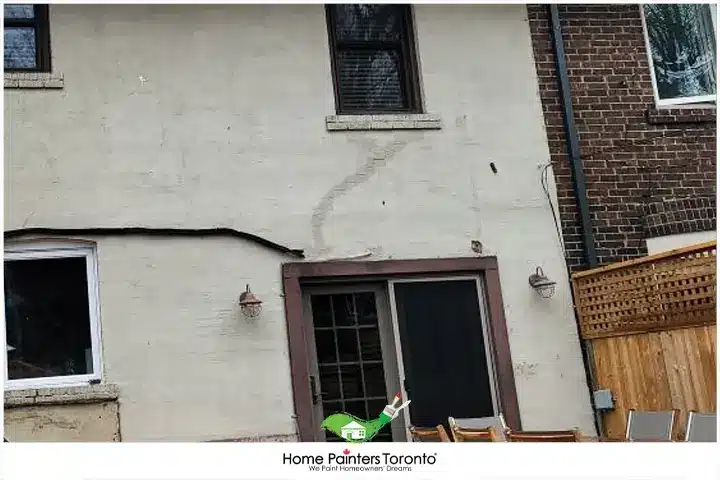
Property owners who ignore faded, cracked, or peeling paint risk a maintenance order, a rent abatement, or a weak position in a deposit dispute
What Ontario Law Requires Landlords to Do About Repainting
Ontario law requires landlords to maintain a rental unit in a good state of repair under Section 20 of the Residential Tenancies Act, 2006, and that maintenance standard includes keeping painted walls, ceilings, and trim in livable condition. The Act does not list paint on a checklist or set an exact repaint interval. Instead, it ties the obligation to habitability: peeling, flaking, or heavily stained paint can breach the standard if it makes a unit unsafe or unfit to live in. The City of Toronto's Property Standards bylaw (Municipal Code Chapter 629) adds a parallel requirement for interior and exterior finishes on the building itself, separate from the province-wide RTA duty. Landlords who read the RTA as "optional until asked" misread it. A tenant can file a T6 maintenance application with the LTB at any point, and the board can order repairs, a rent abatement, or reimbursement of the tenant's out-of-pocket costs.
Routine repainting is treated as ordinary maintenance, not a capital expenditure, which matters for how a landlord can recover the cost. Ontario Regulation 516/06 defines a capital expenditure as work with a benefit lasting at least five years, and landlords sometimes try to fold a repaint into an above-guideline rent increase application on that basis. The LTB has generally rejected that approach for standard interior paint, since a routine repaint keeps a unit at its existing standard instead of delivering a new benefit. Landlords planning larger renovations that include painting as one line item should separate the paint cost from any capital work before filing an AGI application.
Normal Wear and Tear vs. Tenant-Caused Paint Damage: Where the Line Is
Normal wear and tear covers fading, minor scuffs, small nail holes, and general dulling of paint that happen simply from living in a unit, while tenant-caused damage covers marks, holes, or colour changes that go beyond ordinary use. The LTB draws this line case by case, but its rulings follow a consistent pattern. A long-term tenant is not responsible for paint that has simply aged out. A tenant who paints an accent wall without permission, punches a hole in drywall, or lets a pet scratch through several coats crosses into damage territory.
| Category | Examples | Who Pays |
|---|---|---|
| Normal wear and tear | Sun-faded walls, minor scuffs, small picture-hanging holes, general dulling after years of living in the unit | Landlord |
| Tenant-caused damage | Unauthorized colour changes, crayon or marker on walls, large holes, pet scratches through multiple coats | Tenant (prorated by remaining useful life) |
| Grey area | A single stain or mark in a long-tenure unit versus the same mark in a brand-new paint job | Decided case by case at the LTB |
Documenting Wear and Tear at Move-In and Move-Out
A dated move-in condition report with photos is the single strongest piece of evidence in a repainting dispute. Landlords should photograph every wall before a new tenant moves in, note the paint's age and colour, and repeat the process at move-out under the same lighting. Without that record, the LTB has little to compare against and tends to side with the tenant on ambiguous wear claims.
The LTB's Useful Life Schedule: How Long Should Rental Paint Last
The Landlord and Tenant Board applies a 10-year useful life to interior paint under Ontario Regulation 516/06's Schedule of Useful Life, and it uses that figure to prorate how much of a repainting bill a tenant can be charged for damage. The schedule is not a maintenance standard on its own. Board decisions have been clear that a landlord cannot use it to prove a breach of the Section 20 repair duty, since an item can be past its useful life and still functional. What the schedule does control is compensation: if paint is damaged before its 10-year life is up, the tenant only owes a prorated share of the repaint cost, not the full bill.
How the 10-Year Useful Life Guideline Affects Landlord Repainting Obligations in Ontario
The proration math matters more than the headline number. If a wall was painted 4 years ago and has a 10-year useful life, 6 years of value remain, so a tenant found responsible for damage owes roughly 60% of the repaint cost for that room, not 100%. A landlord who tries to charge full price for a repaint on 8-year-old paint is asking for far more than the LTB will typically award. This is also why landlords who have gone well past the 10-year mark without repainting have a weaker case for charging any departing tenant at all, since the paint was already near the end of its expected life regardless of tenant behaviour.
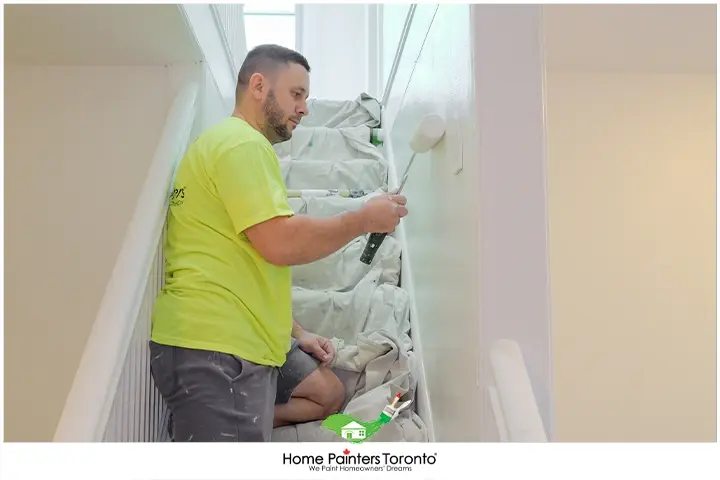
Staggering repaints across units each year spreads the cost and keeps interior painting services booked on a predictable schedule
How Often Landlords Should Repaint a Rental Unit in the GTA
Most professional property managers across the GTA repaint interior units every 3 to 5 years for long-term tenancies and between most tenant turnovers, even though Ontario law sets no mandatory repaint interval. That interval keeps a unit ahead of the 10-year useful life mark, protects a landlord's ability to charge for genuine damage, and reduces the odds of a maintenance complaint reaching the LTB. Property managers with multi-unit buildings often stagger repaints across units each year instead of waiting for every lease to expire at once, which spreads the cost and keeps interior painting services booked on a predictable schedule.
- At a recent turnover repaint in a Scarborough rental triplex, our crew applied Benjamin Moore Ultra Spec 500 Interior Latex in Eggshell across three units after roughly eight years of tenancy.
- Wall surfaces measured a dry film thickness of about 1.5 mils per coat, applied at an ambient temperature near 21°C to stay within the manufacturer's recoat window.
The job restored all three units to a rentable standard without triggering a full drywall replacement, which kept turnaround under one week per unit. As a WSIB-compliant, fully insured contractor, we back that kind of turnaround work with warranty-backed results so property managers are not exposed if touch-ups fail early.
Typical cost of painting a house-style pricing applies to rental turnovers too, and landlords budgeting a repaint should expect the following ranges per room, CAD plus HST:
| Room Type | Estimated Cost Range |
|---|---|
| Living or dining room | $400 – $900 |
| Bedroom | $400 – $800 |
| Bathroom | $250 – $500 |
| Trims, doors, and baseboards | $700 – $1,200 |
Repainting Between Tenants vs. Mid-Tenancy Requests
A turnover repaint between tenants is the easiest to schedule since the unit is empty and a crew can complete prep, priming, and two coats without working around furniture or a tenant's daily routine. A mid-tenancy request from a long-term renter is a different situation. Landlords are not obligated to repaint mid-lease just because a tenant would like a colour refresh, but a reasonable request from a tenant living with genuinely worn paint supports the relationship and reduces the odds of a formal complaint later. Crews scheduling around an occupied unit typically need low-VOC coatings and at least 24 hours of ventilation time before the tenant returns to bedrooms.
GTA humidity plays a bigger role in turnover scheduling than most landlords expect. Manufacturer technical data sheets for standard interior latex paint list a recoat window of about 4 hours and a full cure period of up to 30 days under normal conditions, and relative humidity above 60% can stretch both figures well past that baseline. Property managers booking back-to-back turnovers in the same building during humid summer months should build in extra drying time between coats so the final finish does not trap moisture under a second layer.
Can a Landlord Charge a Tenant for Repainting?
A landlord can only charge a tenant for repainting when the LTB finds the tenant caused damage beyond normal wear and tear, and even then the charge is prorated against the paint's remaining useful life, not billed at full cost. Ontario law does not allow general damage deposits the way some provinces do, so a landlord cannot simply withhold a chunk of a last month's rent deposit to cover a repaint. Compensation has to come through an LTB order, a small claims filing, or a voluntary agreement with the tenant. This is the mirror image of a related scenario HPT covers in detail: our page on painting a rental without permission looks at the tenant's side of the same relationship, including what happens when a renter changes wall colour without asking first. Landlords and tenants dealing with either scenario benefit from reading both pieces together.
What Happens When a Landlord Ignores Paint Maintenance
A landlord who ignores deteriorating paint risks a T6 maintenance order, a rent abatement for the period the condition went unaddressed, and possible property standards enforcement under the municipality's own bylaw. Toronto's Municipal Code Chapter 629 requires exterior and interior finishes to be kept in good repair independent of the RTA, so a city inspector can issue a compliance order on top of anything the LTB decides. Peeling paint is rarely just cosmetic. It is often the first visible sign of a moisture problem building behind the wall, and ignoring it tends to turn a low-cost repaint into a much larger repair.
A municipal property standards officer who receives a complaint typically inspects the unit, issues a written order listing the required repairs, and sets a compliance deadline before any fine is applied. Landlords who miss that deadline can face escalating fines under the Toronto Municipal Code, and repeat violations at the same address tend to draw closer scrutiny on future complaints. Responding to the first notice with a scheduled repaint is almost always cheaper than letting a file build at Municipal Licensing and Standards.
Mould and Moisture Risks Behind Neglected Paint in GTA Rentals
Peeling or bubbling interior paint frequently points to trapped moisture and not simple age, since paint film failure is one of the earliest visible signs of a moisture problem inside a wall assembly, according to CMHC's housing condition research. Bathrooms, basement units, and rooms with poor ventilation are the most common spots where this shows up first in GTA rentals. Left unaddressed, that moisture can support mould growth behind drywall long before a tenant notices a smell, which turns a routine paint job into a drywall and remediation project. Landlords who catch peeling paint early and pair the repaint with drywall repair and installation where needed avoid that escalation.
Landlord Repainting Obligations FAQs
Ontario law does not set a mandatory interval, but most professional landlords repaint every 3 to 5 years for long-term tenancies and at most turnovers, which keeps the unit ahead of the LTB's 10-year useful life guideline for paint. Waiting past that point weakens a landlord's position in any future damage claim.
Normal wear and tear is fading, minor scuffing, small nail holes, and general dulling that happens naturally over years of living in a unit, and a landlord cannot charge a tenant for repainting to fix any of it. The LTB expects a landlord to budget for this kind of gradual aging as a routine cost of owning a rental property.
A landlord can only charge for repainting when the LTB finds the tenant caused damage beyond normal wear and tear, and the amount owed is prorated against the paint's remaining useful life instead of the full repaint cost. A landlord also needs supporting evidence, such as move-in and move-out photos, before the board will award anything.
The LTB applies a 10-year useful life to interior paint under Ontario Regulation 516/06's Schedule of Useful Life, using it to calculate a tenant's prorated share of a repainting bill in damage disputes. The same schedule assigns different useful life figures to flooring, appliances, and countertops.
Peeling or flaking paint can breach a landlord's Section 20 duty to keep a rental unit in a good state of repair, especially when it signals an underlying moisture problem and not simple cosmetic wear. A tenant who reports it in writing starts a clock on the landlord's obligation to respond.
A landlord who wants to enter a unit to repaint still has to follow the RTA's entry rules, which generally require written notice at least 24 hours in advance and a reasonable time of day, unless the tenant agrees to shorter notice. Skipping proper notice can expose the landlord to a separate tenant complaint even if the repaint itself was justified.

Staying Compliant With Landlord Repainting Obligations in Ontario
Meeting landlord repainting obligations in Ontario comes down to two habits: keeping paint ahead of the LTB's 10-year useful life mark and documenting condition at every turnover. Landlords who schedule proactive repaints avoid most maintenance disputes before they ever reach the board, and they protect their ability to recover costs on the rare unit where a tenant genuinely causes damage. Property managers running condominium and apartment painting or larger commercial painting services portfolios benefit even more from a predictable repaint cycle, since a handful of overdue units can turn into a compliance problem across an entire building. Our crews are WSIB compliant, fully insured, and back every job with warranty-backed results, which is part of why landlords across the GTA keep returning to us for scheduled turnovers. Read more about why homeowners and landlords trust us or browse client reviews from property owners we have worked with.
Get fast, free quotes and warranty-backed work on your next rental turnover. Contact Home Painters Toronto to schedule your repaint.
Get a Free Estimate