

Can Dented Aluminum Siding in Toronto Be Fixed Without Full Panel Replacement?
A single hailstorm or a stray baseball can leave a dent in aluminum siding that stands out on an otherwise clean Toronto home. Many homeowners assume the whole panel run needs to come down, but that is not always true. Fixing aluminum siding often comes down to the size of the dent, the age of the panel, and whether the coating underneath still seals properly. This guide walks through what a professional crew checks before recommending repair or replacement. It also covers pricing, process, and the risks of waiting too long.
Yes, dented aluminum siding in Toronto can often be fixed without full panel replacement. Small to medium dents respond well to panel pulling, filler, and colour matched refinishing. Full replacement only becomes necessary when the panel is cracked, corroded underneath, or the interlock at the panel edge has bent enough to break the water seal.
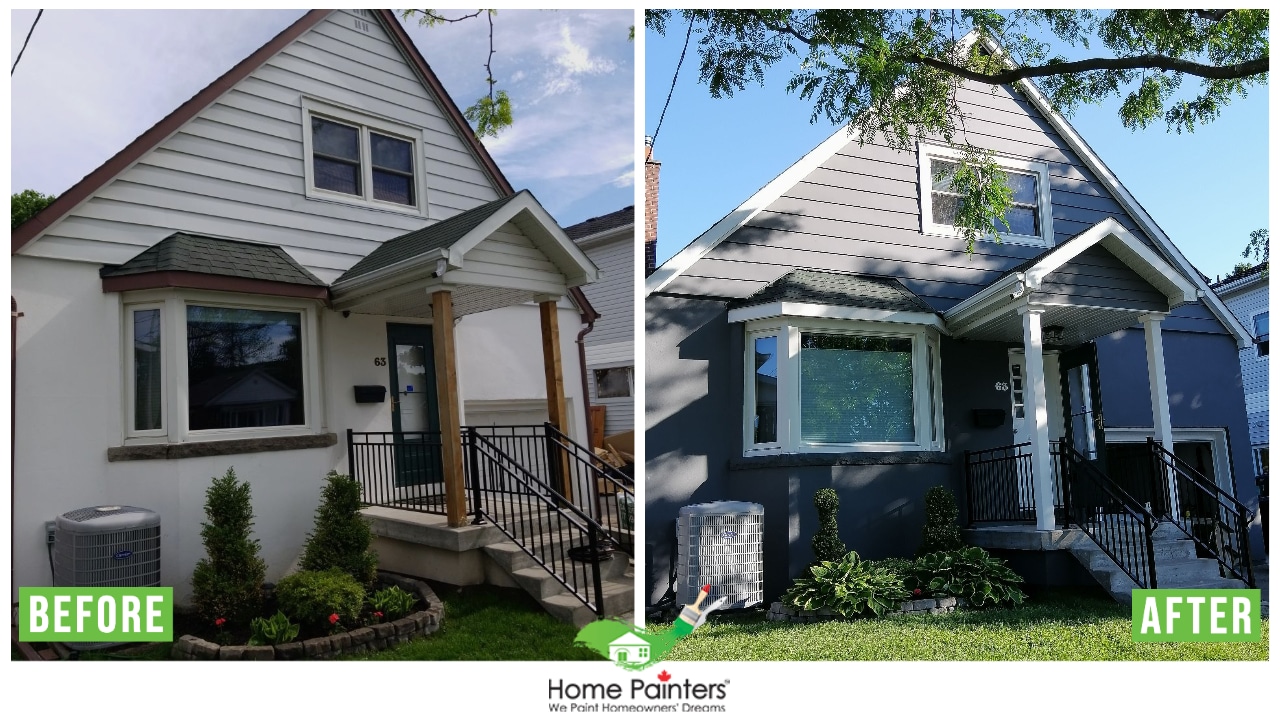
Most dents under 10 cm across can be repaired on site without pulling the whole panel -- full replacement becomes the better route only when the dent has cracked the panel, torn the factory finish down to bare metal across a wide area, or bent the locking channel that keeps water out
Can Dented Aluminum Siding Be Repaired, or Does It Need Full Panel Replacement?
Most dents under 10 cm across can be repaired on site without pulling the whole panel. A technician uses a suction pulling tool or a small heat assisted flattening method to draw the metal back toward its original plane. Once the surface is level, the crew fills any remaining low spots with a flexible exterior filler rated for metal substrates.
The panel is then primed and refinished with a colour matched coat so the repair blends into the surrounding wall. Full replacement becomes the better route only when the dent has cracked the panel, torn the factory finish down to bare metal across a wide area, or bent the locking channel that keeps water out. Homeowners comparing this to our broader aluminum siding painting service often find that a repair and refinish combination costs less than expected once the crew is already on site.
Homeowners in Toronto often reach out after storm season, when hail and falling branches leave clusters of small dents across a single elevation. In many of those cases, a crew can restore an entire wall for less than the cost of stripping and replacing every panel. The deciding factor is always what the metal looks like once the old finish is removed at the damaged site.
Why Aluminum Siding Dents So Easily in Toronto's Climate
Aluminum siding installed in the Toronto area is typically 0.019 inches thick, a gauge chosen to keep material and shipping costs down. That thinness is exactly why a moderate impact leaves a visible mark instead of bouncing back. Cold winter temperatures make the metal more brittle at the point of impact, so a hit in January can crease the panel more sharply than the same hit in July. According to information published by the Aluminum Association, the metal itself resists rust because of a natural oxide layer, but that layer offers little protection against a dent from blunt force.
Panels installed before the 1990s tend to be thinner again, since manufacturing standards have shifted toward slightly heavier gauges over time. A crew working on an older Scarborough bungalow will often find softer, more dent prone siding than a technician working on a Vaughan home built in the last fifteen years. This difference changes the repair plan and should be assessed on site instead of guessed from the street.
Wind driven hail is the most common cause our crews see across Brampton, Markham, and Richmond Hill each summer, since open subdivisions with fewer mature trees expose the upper storey walls directly to storm paths. Damage is rarely limited to siding alone. Crews called out for dented panels often find matching impact marks on nearby soffit and fascia trim and even on exterior wood siding sections on the same wall, so a full inspection of the elevation makes more sense than checking one material at a time.
Sun exposure plays a role too. A south facing wall that bakes through summer afternoons becomes slightly more pliable in warm weather and slightly more rigid once the sun drops, which changes how a dent forms depending on the time of day the impact happens. None of this changes the repair process itself, but it helps explain why two homes on the same street can show noticeably different damage patterns after the same storm.
Homes with a mix of aluminum and vinyl siding painting needs, common across many older Etobicoke and North York properties, should have both materials checked together, since vinyl and aluminum respond differently to the same impact and need different repair approaches.
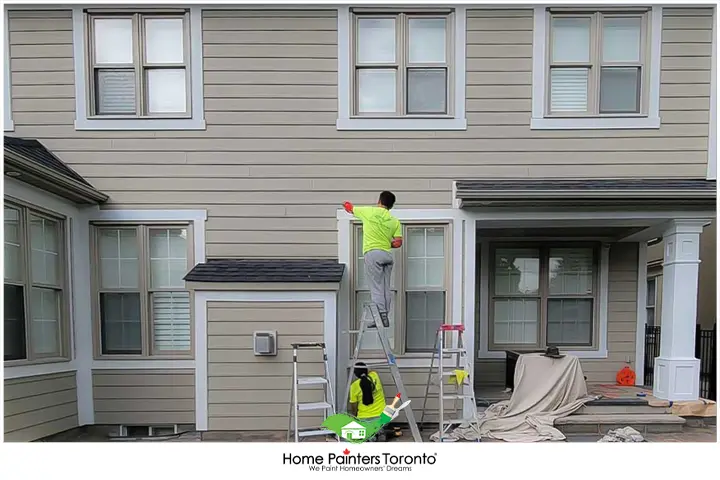
Filler work is where most repairs succeed or fail -- a filler that stays flexible moves with the metal as temperatures swing between summer heat and winter cold, so it will not crack out later. Crews match the final coat to the existing siding using a fan deck sample pulled directly from the wall
Repair Methods That Actually Work on Dented Aluminum Panels
A proper aluminum siding repair follows a defined sequence instead of a quick patch job. The panel is cleaned of dirt and chalking residue first, since paint will not bond to a dusty surface. The crew then works the dent from behind if access allows, using a flat bar or suction tool to push the metal back toward level. Any remaining depression gets filled with an exterior grade two part filler formulated for metal, sanded smooth once cured, then primed with a rust inhibiting metal primer before the final coat goes on.
Fixing Aluminum Siding Dents With Filler and Colour Matched Finish
Filler work is where most repairs succeed or fail. A filler that stays flexible moves with the metal as temperatures swing between summer heat and winter cold, so it will not crack out later. Crews match the final coat to the existing siding using a fan deck sample pulled directly from the wall, since factory aluminum colours fade over time and a can bought off the shelf rarely matches a ten year old panel. Two coats are standard on repaired sections, so the patch holds the same opacity as the surrounding, unrepaired siding.
A repair is only as good as the seal around it. Crews often refresh the caulking around windows and doors near a repaired panel at the same time, since old caulking near the damage site is a common entry point for moisture that can undo an otherwise solid repair.
Access matters more than most homeowners expect. On a single storey wall, a technician can often reach behind the panel through the nearest seam or a removed section of trim. On a two storey elevation, the crew may need to work the dent from the front only, which takes more patience with the suction tool and a steadier hand with the filler to keep the repaired area flat under raking light.
Drying time between steps also affects the outcome. Filler needs to cure fully before sanding, and primer needs a full dry window before the topcoat goes on, especially in cooler GTA shoulder seasons when cure times run longer than they would in mid summer. Crews that rush this sequence tend to see the repair telegraph through the paint within a year.
| Repair Step | Purpose | Typical Result |
|---|---|---|
| Panel pulling | Draws metal back toward original plane | Removes most of the visible depression |
| Two part filler | Fills remaining low spots | Smooth, sandable surface |
| Rust inhibiting primer | Seals bare metal and blocks corrosion | Stable base for topcoat |
| Colour matched topcoat | Blends repair into surrounding siding | Repair becomes hard to spot from the street |
When Repair Is Not Enough: Signs You Need Full Replacement
A repair only works if the metal underneath is sound. Once a panel has corroded through or cracked at the fold line, filler will not hold, and the patch fails within a season or two. A technician checks the back side of the panel where possible and looks for pitting, white powdery residue, or soft spots that flex under light pressure.
Signs of Corrosion Under the Dent
White staining around a dent usually points to galvanic corrosion, which happens when aluminum sits against a dissimilar metal fastener or flashing without a proper barrier. A crew measuring moisture content behind a damaged panel commonly finds readings above 18 percent in compromised sections, compared with 6 to 8 percent in healthy siding nearby, based on general moisture standards referenced by the Painting and Decorating Contractors Association for exterior substrates. Once corrosion reaches that stage, filler and paint will not stop the metal from failing further, and the affected panels need to come off.
A bent interlock at the top or bottom edge of a panel is another clear signal. That interlock is what keeps the panel above it seated correctly and keeps water running down and away from the wall. Once it is deformed enough that the panel above no longer clicks in fully, repair will not restore a reliable seal and replacement of that section becomes the safer call. In some cases, the underlying wood frame repair is needed first if moisture has already reached the sheathing behind the panel, and in others, a section of wood siding replacement trim nearby needs attention as well before the new aluminum panel goes on.
Cost Comparison: Repairing vs Replacing Aluminum Siding in Toronto
Spot repairs on a handful of dented panels typically fall in the same range as a small exterior touch up project, while a full section replacement moves into medium project pricing. Costs shift based on how many elevations are affected, the height of the work, and whether matching siding stock is still available for the home's age.
| Scope of Work | Estimated Cost (CAD + HST) |
|---|---|
| Spot dent repair, single elevation | $2,000 – $4,000 |
| Multiple panel replacement, one or two elevations | $4,000 – $8,000 |
| Full wall replacement with matching and refinishing | $8,000 – $10,000 |
These figures reflect typical residential projects across the GTA and can shift with panel availability, access, and the amount of prep work needed. For a broader sense of exterior project pricing, our cost of painting a house guide breaks down how siding work compares to full exterior repaints. A same day estimate from a crew that has handled aluminum siding across many Toronto neighbourhoods gives a homeowner a realistic number before any work begins. You can request a free quote to get pricing specific to your home.
Panel availability is often the real cost driver on older homes. Aluminum siding profiles and colours have changed over the decades, so a home built in the 1980s may need a custom colour match or a slightly different panel profile sourced from a specialty supplier. Newer subdivisions in Oakville, Burlington, and Whitby tend to use more common profiles, which keeps replacement costs closer to the lower end of the medium range.
The Hidden Risks of Ignoring Small Dents in Aluminum Siding
A small dent left untreated is not just a cosmetic issue. Once the factory finish cracks at the point of impact, moisture works its way into the seam and sits against bare metal. Over a few freeze and thaw cycles, that trapped moisture speeds up corrosion in a spot that would have taken years to fail otherwise. What starts as a coin sized dent can turn into a section that needs full replacement within two or three seasons if the finish stays broken and exposed.
Ignoring dents near seams or fastener points carries an added risk because water tends to travel sideways behind the panel before it shows up as a stain on the surface. By the time a stain appears on the outside, the damage behind the panel is often already established. This is why a proper inspection checks the panel edges and not just the visible dent itself.
A Recent Aluminum Siding Repair Project in Etobicoke
Three Panels Pulled and Filled, One Cracked Panel Replaced, Benjamin Moore Aura Exterior Low Lustre Colour Matched, 2 Mil DFT Confirmed -- Single Day
On a recent project on a quiet street in Etobicoke, our crew was called out to look at a run of dented siding along the south wall of a two storey home, the result of a summer hailstorm. Three panels had shallow dents, and one panel near the corner had a hairline crack at the fold. We repaired the three sound panels using panel pulling and a two part exterior filler, then refinished the section with Benjamin Moore Aura Exterior in Low Lustre finish, colour matched from a sample pulled off the wall.
The cracked panel was swapped out completely since filler will not hold across a break in the metal. Before closing out the job, we measured the repaired section at 2 mil dry film coating thickness, in line with the coverage rate listed on the Sherwin Williams DTM coating technical data, and confirmed movement at the J channel had settled to under 3 mm once the new panel locked into place. You can see more finished examples like this one in our recent painting projects gallery. The homeowner received warranty backed results on both the repaired panels and the one full replacement panel, and the whole job wrapped in a single day.
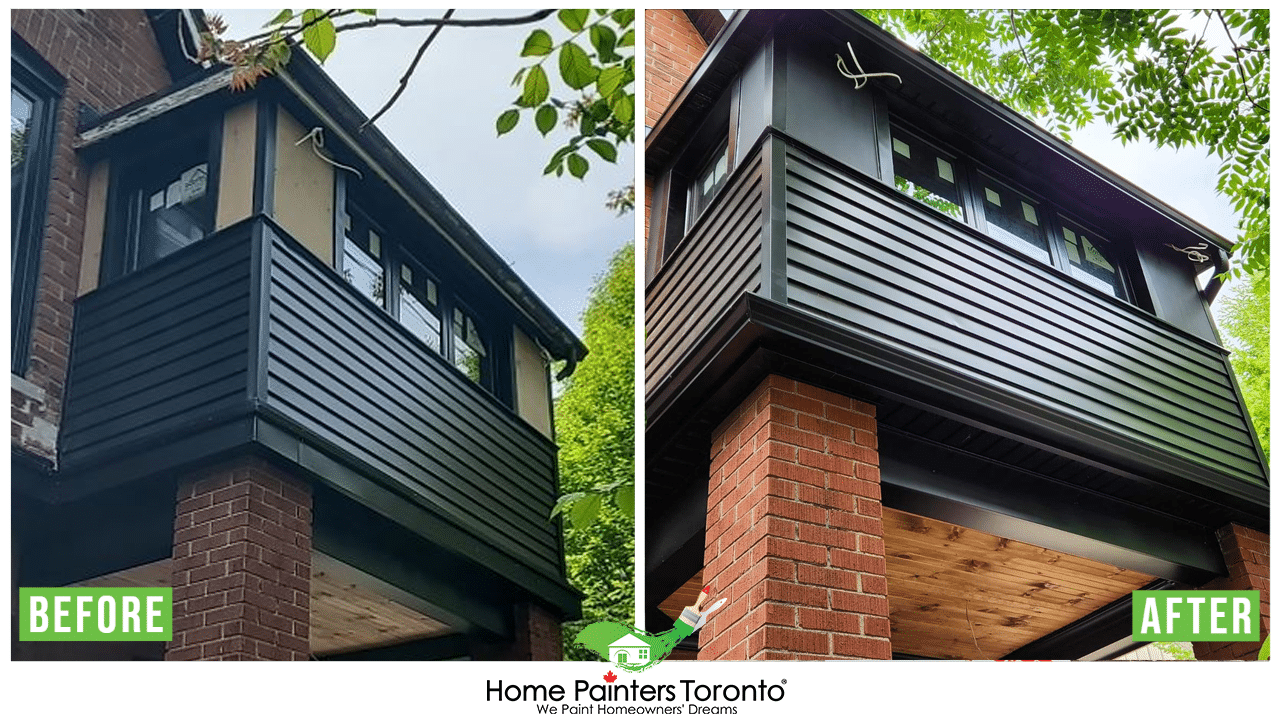
Etobicoke project: three shallow-dented south wall panels pulled and filled, one cracked panel fully replaced, Benjamin Moore Aura Exterior Low Lustre colour matched from a wall sample, 2 mil DFT confirmed, J channel movement under 3 mm -- warranty backed on all repaired and replacement panels, entire job wrapped in a single day
Why Toronto Homeowners Trust Professional Siding Repair Every Time
Aluminum siding repair looks simple from a ladder, but colour matching, filler selection, and reading the metal correctly all take field experience. Home Painters Toronto has served the GTA for 37 years as a family owned company, and our crews are WSIB compliant and fully insured on every job. Homeowners planning a wider exterior house painting project often bundle siding repair into the same visit to save a second round of scheduling.
With over 1,200 positive reviews across HomeStars, Google, and Houzz, and a HomeStars Best of Award win in 2026, homeowners across Etobicoke, Mississauga, and the wider GTA call on our team when siding damage needs a second opinion. You can read more of these in our client reviews before booking a visit.
Insurance and Warranty Considerations
Many home insurance policies cover hail and impact damage to siding, but adjusters often ask for a written repair versus replace assessment before approving a claim. Our team documents dent size, corrosion status, and repair method so that paperwork is ready to submit. All exterior work carries a 3 year warranty, giving homeowners a clear record if a repaired section needs a follow up visit.
Frequently Asked Questions
Yes, most dents under 10 cm across can be pulled back into shape, filled, and refinished without removing the panel. Full removal is only needed when the metal has cracked or corroded through.
Spot repairs on a small number of panels typically run between $2,000 and $4,000 CAD plus HST. Larger jobs involving multiple panels or a full elevation can reach $8,000 to $10,000, depending on scope.
Many policies cover hail or impact damage, though most insurers ask for documentation showing whether the siding can be repaired or needs full replacement before approving a claim.
Yes, a colour matched finish pulled from a sample on the existing wall lets a repaired panel blend into the surrounding siding, even on homes with older, faded factory colours.
Well maintained aluminum siding regularly lasts several decades, though thinner panels installed before the 1990s tend to dent and corrode sooner than siding installed in the last fifteen years.
Aluminum siding is thin by design to control material costs, and cold temperatures make it more brittle at the point of impact, so hail, branches, and stray balls leave marks more easily than on thicker cladding.

Get Your Aluminum Siding Assessed and Repaired
Dented aluminum siding does not automatically mean a full tear off. A proper assessment of the panel, the finish, and the metal underneath tells you whether a repair will hold or whether replacement is the safer investment. Our crews carry that assessment out on every visit, backed by 37 years of experience across the GTA, full WSIB compliance, and warranty backed results on every completed job.
For a fast, free quote and warranty backed work on your siding repair, Contact Home Painters Toronto today.
Get Fast, Free Quotes for Aluminum Siding Repair in Toronto
Contact Home Painters Toronto today for fast, free quotes and warranty backed work on your aluminum siding repair. Same day estimates available seven days a week across the GTA.
Contact Us for a Free Quote