

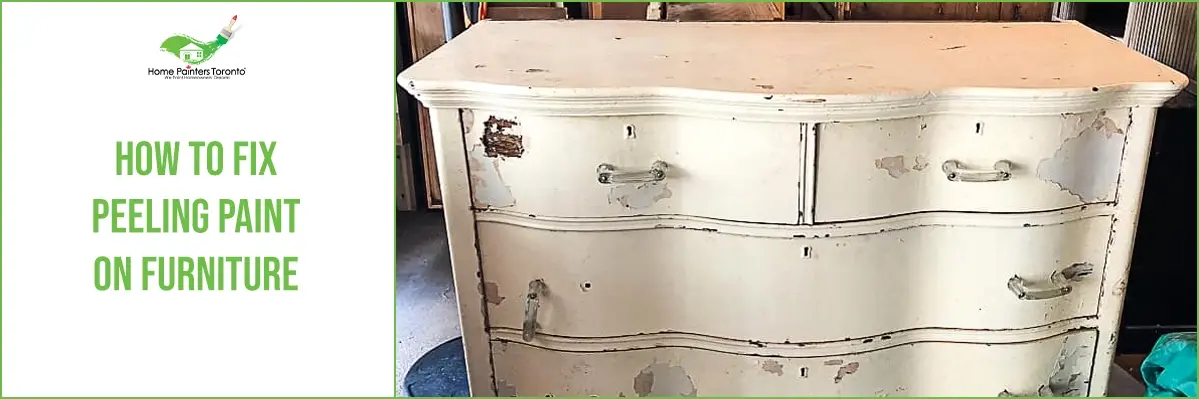
Peeling paint on furniture can affect both appearance and durability. Cabinets, built-ins, tables, and decorative wood pieces may begin to chip or flake over time due to wear, moisture, or improper preparation.
Understanding how to fix peeling paint on furniture helps homeowners decide whether a simple repair or full refinishing project is the better long-term solution.
If your cabinets or built-ins are peeling, explore professional cabinet painting Toronto services for durable refinishing options.
Why Paint Peels on Furniture
Poor Surface Preparation
Furniture surfaces must be cleaned, sanded, and primed properly before painting.
Paint applied over glossy finishes or contaminants may fail to adhere correctly.
Moisture and Wear
Frequent handling, humidity, and spills can contribute to paint breakdown.
High-use surfaces such as kitchen cabinets or bathroom vanities are especially prone to wear.
Incompatible Paint Products
Using coatings not designed for furniture or wood surfaces can result in peeling, cracking, or premature failure.
Professional assessments help determine the best coating systems for refinishing.
Steps to Fix Peeling Paint on Furniture
Repairing peeling paint typically involves:
removing loose or flaking paint
sanding damaged areas smooth
repairing dents or scratches
priming surfaces for adhesion
applying durable finish coatings
Proper preparation is key to achieving consistent results.
For larger projects, homeowners may benefit from interior painting Toronto expertise when refinishing built-ins or trim alongside furniture.
If multiple surfaces need updating, coordinate furniture refinishing with interior painting Toronto services for consistent finishes.
When Furniture Needs Professional Refinishing
Professional refinishing may be recommended when:
paint failure is widespread
multiple layers of old coatings are present
furniture has detailed profiles or trim
smooth sprayed finishes are desired
durability is a priority
Experienced painters use controlled sanding, priming, and finishing techniques to improve adhesion and appearance.
Choosing the Right Paint and Finish for Furniture
Furniture refinishing often involves:
high-adhesion primers
durable enamel or lacquer coatings
sprayed or fine brush finishes
protective topcoats where appropriate
Product selection depends on furniture material, use level, and desired sheen.
Preventing Furniture Paint from Peeling Again
To reduce future paint failure:
clean surfaces regularly
avoid harsh cleaners
address moisture exposure
use proper coatings during refinishing
maintain protective finishes
Planning maintenance helps extend the lifespan of refinished furniture.
Get a Interior Painting Quote in Toronto
If you need help fixing peeling paint on cabinets or built-in furniture, learn more about cabinet painting Toronto services and request a professional consultation.
Request a professional consultation for furniture refinishing or cabinet repainting.
Frequently Asked Questions About Fixing Peeling Paint on Furniture
Why does paint peel on furniture?
Peeling can result from poor preparation, moisture exposure, or incompatible coatings.
Can peeling paint be repaired without repainting everything?
Minor areas may be repaired, but widespread failure often requires full refinishing.
What type of paint is best for furniture?
Durable enamel or lacquer coatings are commonly used for refinishing projects.
Is professional furniture refinishing worth it?
Professional refinishing helps improve durability, adhesion, and finish quality.
How can peeling paint be prevented in the future?
Proper preparation, quality coatings, and routine maintenance help extend finish lifespan.