

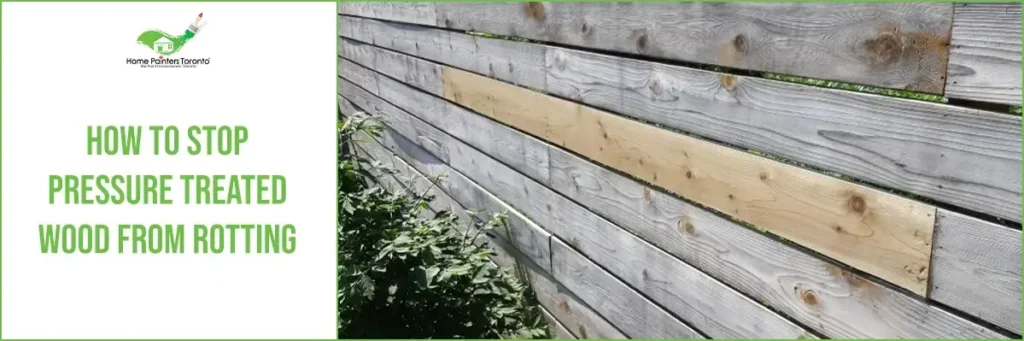
Pressure-treated wood is designed to resist decay, insects, and weather exposure. However, many Toronto homeowners are surprised to discover that pressure treated wood can still develop rot over time—especially on fences, decks, and outdoor structures exposed to constant moisture.
The good news is that rot is usually preventable with proper maintenance, protective coatings, and early repairs. Understanding how wood rot begins and how to stop it can extend the life of your deck or fence by many years.
If your outdoor wood surfaces are already showing wear or damage, learn more about professional exterior painting Toronto services that protect and extend the life of decks, fences, and other exterior wood structures.
What is Pressure Treated Wood?
Pressure-treated lumber is infused with preservatives that slow decay and insect damage. However, those treatments do not make the wood completely waterproof or immune to deterioration.
Over time, several factors can allow moisture to penetrate the wood. When wood stays wet for extended periods, fungi begin to grow inside the fibers. This is the process that eventually leads to rot.
Even treated lumber will deteriorate if it remains damp year after year without proper protection or maintenance.
It’s important to choose the right type of wood based on its intended use. Pressure-treated wood is suitable for outdoor settings and projects exposed to the elements. At the same time, untreated wood can be used for a broader range of indoor applications.
The Most Common Causes of Deck and Fence Rot
Constant Moisture Exposure
• The answer to does pressure treated wood rot is yes. Any pressure treated wood rot is usually due to a fungal issue. The fungi that cause this are very small organisms that move into the wood and feed on it over time. This causes the pressure treated wood to decay and soften, which then turns into rot. All kinds of fungal issues basically create the same problem: rot.
• Fungi or fungal spores usually affect wet wood. The easiest way to stop the damage they do is simple: keep your pressure treated wood dry. When dry wood is affected, brown-rot fungi are to blame. This type of fungus does not need much moisture to grow. In general, dry pressure treated wood is less likely to rot and, in the event of rot, can be more easily repaired than wet rotted treated wood.
• The brown-rot fungus occurs most commonly in birch wood and will look like an uneven pattern or brick-like cracking. Remember that although treated wood is protected by chemicals, pressure treated wood rotting is a physical change that will occur when microorganisms in the air affect wet or dry wood.
Poor Drainage and Ground Contact
Fence posts and deck supports are especially vulnerable when they sit directly in damp soil or poorly draining areas.
Standing water around posts accelerates deterioration and often causes rot to begin at the base of the structure.
Lack of Protective Coatings
Many decks and fences are installed and left untreated for years. Without a protective finish, the wood absorbs moisture more easily.
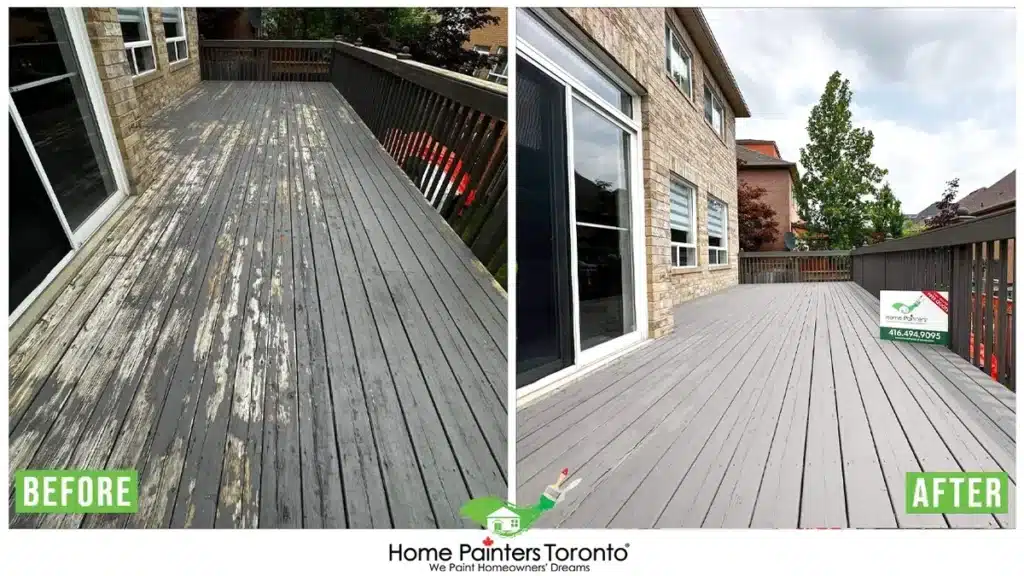
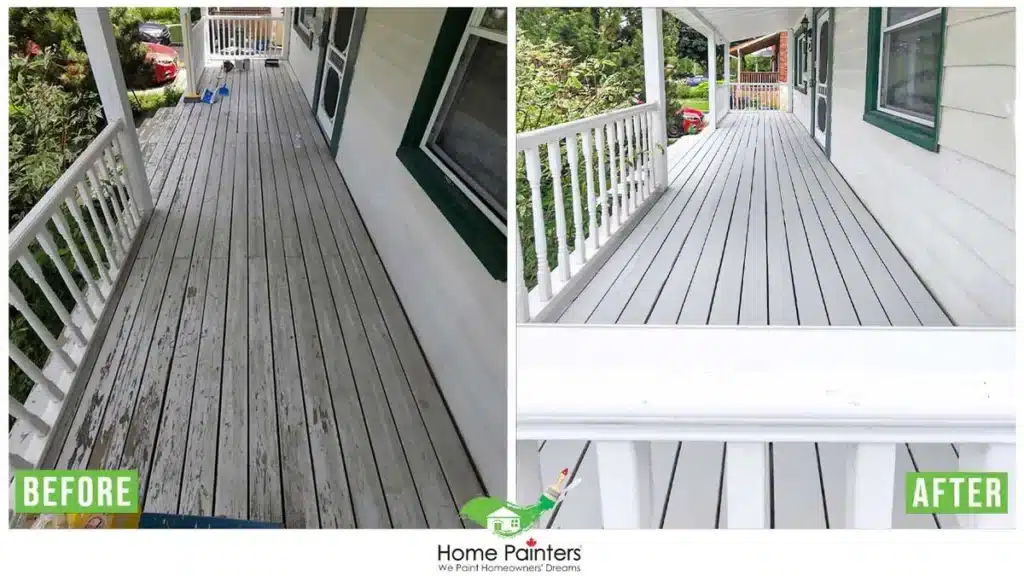
Applying a protective coating through professional deck staining and exterior wood protection can significantly slow moisture penetration and reduce the risk of rot.
Trapped Water in Joints and Fasteners
Rot often begins in hidden areas such as:
board joints
fastener holes
end grain cuts
tight corners where water collects
These locations trap moisture and are rarely sealed properly.
The Most Common Causes of Deck and Fence Rot
Preventing rot is primarily about controlling moisture and protecting exposed wood surfaces.
The following maintenance steps help extend the lifespan of decks and fences.
Allow New Pressure Treated Wood to Dry Properly
New pressure-treated lumber contains a high level of moisture from the treatment process. It should typically dry for several months before applying stain or sealant.
Applying coatings too early can trap moisture inside the wood.
Apply a Protective Exterior Coating
A high-quality exterior stain or sealant protects wood from:
rain penetration
UV damage
seasonal expansion and contraction
Professional exterior coatings help create a moisture barrier that slows long-term deterioration.
If your outdoor wood surfaces need refinishing, professional exterior painting Toronto services can help restore protection and improve the appearance of your deck or fence.
Seal End Cuts and Fastener Points
The most vulnerable parts of pressure-treated lumber are the end grain cuts and fastener holes.
These areas absorb moisture quickly and should be sealed during installation or maintenance to reduce water intrusion.
Maintain Proper Drainage Around Structures
Make sure water flows away from fences and decks rather than pooling around them.
Helpful steps include:
keeping soil level below wood structures
avoiding mulch buildup against posts
ensuring nearby landscaping drains properly
Perform Routine Inspections
Regular inspections can catch early signs of rot before structural damage occurs.
Look for:
soft or spongy wood
cracking boards
discoloration
peeling coatings
If you notice these issues, early repair or refinishing may prevent more extensive damage.
Concerned about deteriorating exterior wood around your home? Explore exterior wood repair and carpentry services to restore damaged structures before rot spreads.
Signs Your Fence or Deck May Already Be Rotting
Early wood rot often starts in hidden areas and can go unnoticed until it spreads.
Common warning signs include:
soft or crumbling wood fibers
boards that feel spongy when stepped on
dark staining or fungal growth
cracking or splitting wood
loose boards or rails
Addressing these issues early can prevent full structural replacement.
When Professional Wood Repair Is the Better Option
Some wood rot problems go beyond basic maintenance.
If rot has already affected structural elements such as deck supports, railings, or posts, professional repair is usually required.
Homeowners dealing with damaged trim, siding, or structural wood may benefit from exterior wood repair and carpentry before repainting or staining.
Repairing the underlying wood first ensures coatings last longer and prevents future deterioration.
Pressure Treated Wood Maintenance Tips for Toronto Homes
Toronto’s climate presents unique challenges for outdoor wood structures.
Freeze-thaw cycles, snow accumulation, and humid summers all contribute to moisture exposure.
To protect fences and decks long-term:
inspect structures each spring and fall
re-seal wood every few years
keep leaves and debris off deck surfaces
ensure water drains away from posts and foundations
repair damaged boards promptly
Regular maintenance can dramatically extend the lifespan of pressure-treated wood structures.
Get a Exterior Painting Quote in Toronto
If you’re considering updating the appearance of your brick exterior, our experienced team can evaluate the condition of your home and recommend the best approach.
Contact Home Painters Toronto today to request a consultation for exterior painting Toronto and learn how we help homeowners protect and enhance their exterior surfaces.
If you are considering brick staining or repainting your exterior brick, visit our exterior painting Toronto service page to learn more or request a consultation.
Frequently Asked Questions About Pressure Treated Wood Rot
Can pressure treated wood still rot?
Yes. Pressure-treated wood resists decay but is not completely rot-proof. Prolonged moisture exposure can still allow fungi to develop and cause deterioration.
How long does pressure treated wood last outdoors?
With proper maintenance, pressure-treated wood can last decades. Regular sealing, drainage management, and inspections significantly extend its lifespan.
Should pressure treated wood be sealed or stained?
Yes. Applying a protective stain or sealant helps reduce moisture penetration and protects the wood from UV damage.
Where does wood rot usually start on decks or fences?
Rot often begins in hidden areas such as end grain cuts, joints, fastener holes, and fence posts where moisture becomes trapped.
When should rotting wood be replaced instead of repaired?
If structural components such as deck supports, railings, or posts are severely deteriorated, replacement or professional carpentry repair may be required.