

You just built or purchased a brand new home in Toronto or the GTA. The structure is up, the drywall is in, and now you are staring at bare boards, factory-primed siding, or raw masonry, wondering: do I need to paint this right away, and how do I do it right?
Those are exactly the right questions to ask. New construction exterior painting is not simply a cosmetic step. Done properly, it protects your investment from Toronto's brutal freeze-thaw cycles, summer humidity, and UV exposure. Done poorly or skipped entirely, it can mean premature cracking, moisture intrusion, and costly repairs down the road.
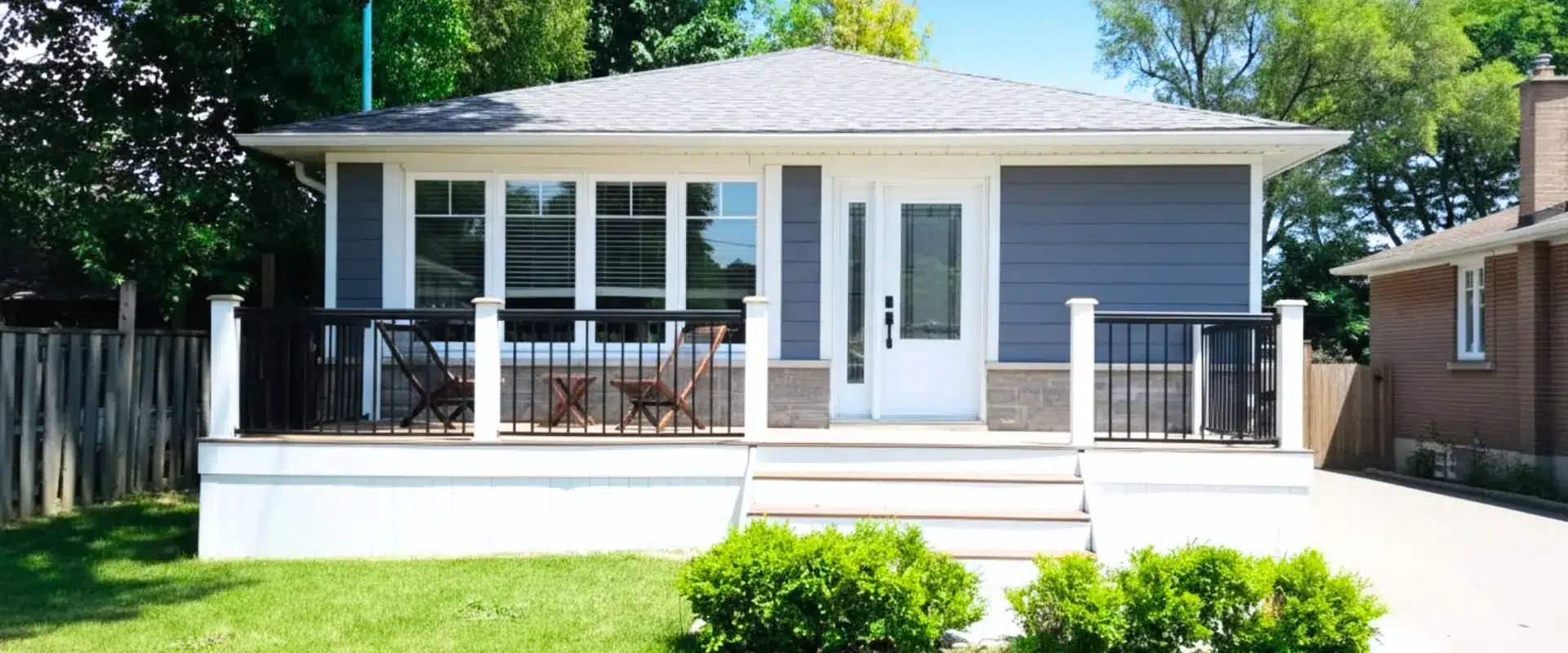
This guide covers everything a Toronto homeowner or property developer needs to know: when to paint, what materials work best, what the process looks like, what factors drive the cost, and why the quality of the team you hire matters far more than most people realize.
Why New Construction Exterior Painting Is Different From a Repaint
Most homeowners are familiar with the idea of repainting an older home: scrape the peeling paint, prime, apply a fresh coat, and done. New construction is a different job entirely, and treating it the same way is one of the most common and costly mistakes we see.
New Surfaces Behave Differently
Fresh wood, new cementboard siding, and recently installed masonry all contain elevated moisture levels. If paint is applied before those materials have properly cured and dried, you risk adhesion failure, blistering, and premature peeling, regardless of how good the paint is. Professional painters know how to assess surface moisture and when conditions are actually ready for coating.
Factory Primer Is Not the Final Word
Many new construction products arrive with a factory-applied primer coat. Hardie board siding, wood trim, and primed doors are common examples. This primer is a starting point, not a finish. It still needs to be topcoated within a specific window of time, usually 180 days for Hardie and often sooner for wood, or you risk primer degradation that compromises the bond of your finish coat.
More Surfaces, More Coordination
A new build typically involves a wide range of exterior surfaces that all need to be addressed: siding, trim, fascia, soffits, garage doors, front entry doors, window casings, and potentially masonry or stucco. Each surface may require a different product, a different preparation approach, and a different application method. Getting that coordination right is where professional exterior painting services in Toronto earn their cost.
When Should You Paint a New Construction Exterior in Toronto?
Timing is critical for new construction exterior painting in Toronto. The short answer: paint as soon as the surfaces are ready and the weather allows, but not before.
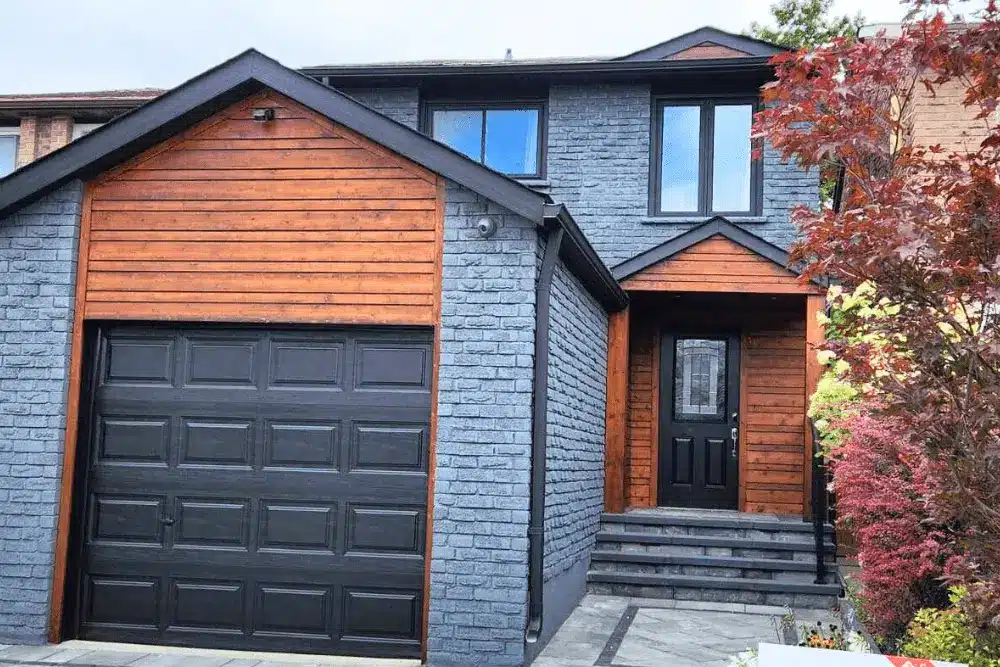
Respect the Curing Window
Concrete, stucco, and masonry need adequate time to cure before paint can be applied, typically at least 28 to 30 days for new concrete. Applying paint too early traps moisture and almost guarantees peeling. Your painting contractor should be assessing surface conditions directly, not just checking a calendar.
Do Not Wait Too Long Either
On the other end, leaving raw or factory-primed wood uncoated too long exposes it to the elements. Wood that gets wet and dries repeatedly before painting is more likely to develop surface checking and grain raising, which creates a rougher, less attractive finished surface even after painting.
The Toronto Climate Window
In Toronto and the GTA, the practical exterior painting season runs from late April through October, with the sweet spot being May through September. Temperatures need to stay above 10 degrees Celsius during application and for several hours after. Reputable exterior painting companies in Toronto book up fast in peak season, so planning ahead matters.
What Surfaces Does New Construction Exterior Painting Cover?
Every new build is different, but here are the exterior surfaces a professional painting team will typically address in the Toronto and GTA market.
Siding
Whether it is Hardie board, wood, vinyl, or engineered wood, siding is the largest surface area and the most visible. Proper adhesion and full coverage matter enormously here. If the siding is coated with the wrong product at the wrong time, the failure is both expensive and unsightly.
Trim & Fascia
Wood or PVC trim around windows, doors, and rooflines needs careful brushwork and often benefits from a higher-sheen paint to resist moisture and allow easy cleaning. Getting clean lines on trim is where the quality of the crew shows most clearly on a new build.
Soffits
The underside of eaves is easy to overlook, but it is a prime spot for moisture damage. A professional team addresses soffits as part of a complete exterior system, not as an afterthought. Our exterior painting team in Toronto always includes soffits in the full scope assessment.
Garage Doors
Steel and wood garage doors each need the appropriate primer and paint for adhesion and durability. A missed or poorly prepared garage door stands out sharply against a freshly painted exterior and undermines the entire result.
Front Entry Doors & Frames
This is the focal point of your home's curb appeal. Getting the entry door finish right, with clean edges, the right sheen, and colour consistency, is a detail that professionals are set up to deliver and that most DIY approaches fall short of.
Window Casings & Surrounds
These areas involve tight detail work and are often where amateur paint jobs show their weaknesses. On new construction, establishing this detail correctly from the start sets the standard for future maintenance.
Stucco & Masonry
Stucco and brick require specific products designed to breathe with the substrate. Sealing these surfaces incorrectly traps moisture inside the wall and accelerates damage. If you are unsure whether your masonry needs a breathable coating or a film-forming paint, a professional assessment will give you the right answer before any product goes on.
What Is the Best Paint for New Construction Exterior in Toronto?
Toronto's climate is demanding. From extreme winters and repeated freeze-thaw cycles to humid summers and intense UV exposure, exterior coatings have to work hard. The paint choices your contractor makes on a new build will directly affect how long the finish lasts before it needs attention.
100% Acrylic Latex — The Industry Standard
Premium 100% acrylic latex paint is the industry benchmark for exterior applications in climates like Toronto's. It remains flexible through temperature swings, meaning it expands and contracts with the substrate rather than cracking. It resists moisture and holds colour well under UV exposure.
💡 Recommended brands for Toronto's climate: Benjamin Moore Aura Exterior and Sherwin-Williams Duration are worth the investment on a new build where you want the finish to last a decade or more.
Surface-Specific Products Matter
Not every exterior surface takes the same product. Masonry and stucco require breathable, alkali-resistant coatings. Galvanized metal needs an appropriate primer before topcoating. Cedar and other tannin-rich woods need a stain-blocking primer to prevent bleed-through. Professional painters know which product goes where and why.
Sheen Levels and Their Trade-Offs
Flat and low-sheen finishes are forgiving on large siding surfaces because they minimize the appearance of minor imperfections. Satin and semi-gloss are typically used on trim, doors, and accent areas where durability, moisture resistance, and cleanability are priorities. A reputable contractor will help you select the right sheen for each surface because it is not a one-size-fits-all decision.
What Does Professional New Construction Exterior Painting Actually Involve?
One of the most common misconceptions about painting a new build is that it is simpler than painting an older home because there is no old paint to deal with. In reality, new construction exterior painting requires a disciplined, methodical process, and the prep work is where the quality is made or lost.
Site Assessment & Surface Evaluation
A professional painting team walks the site before any product is opened. They are checking moisture levels, evaluating the condition of surfaces, noting areas that need caulking or minor repairs, and confirming that factory-primed surfaces are still within their application window. This step alone separates professional contractors from crews that just show up and start rolling.
Surface Preparation
Preparation on a new build typically includes cleaning surfaces of dust, chalk, and construction debris; caulking all joints, seams, and penetrations with a high-quality paintable exterior caulk; spot-priming any bare areas or areas where factory primer has been damaged during construction; and filling any surface voids, cracks, or nail holes. If drywall repair or surface patching is also part of the project scope, those repairs need to be completed and fully cured before any exterior primer or paint goes on.
Primer Application
Not every surface on a new build needs a full prime coat, but many do, and applying the wrong primer or none at all is one of the top causes of paint failure on new construction. Your painting contractor should be specifying this in writing as part of the quote, not making it up on the day.
Paint Application
Professional exterior painting on new construction typically uses a combination of an airless sprayer for large surface areas like siding and brush-and-roll work for trim, doors, and detail areas. Spraying alone without back-rolling can leave insufficient film build and reduce adhesion. A two-coat system, properly applied with appropriate recoat times respected, is the baseline for a durable result.
Inspection & Touch-Up Walkthrough
After the final coat dries, a thorough walkthrough identifies any misses, thin spots, or areas requiring touch-up. At Home Painters Toronto, we walk through the completed project with you to make sure every surface meets the standard before we close out the job.
What Affects the Cost of New Construction Exterior Painting in Toronto?
New construction exterior painting quotes vary significantly from project to project. Understanding what drives that variation helps you evaluate quotes accurately and budget with realistic expectations. Rather than providing a fixed price range that may not reflect your specific home, here is an honest breakdown of the factors that most affect what you will pay.
- Size & Number of Surfaces The most obvious driver of cost is how much needs to be painted. A townhouse with a modest front facade and two side elevations is a fundamentally different scope from a custom two-storey detached home with four full elevations, a covered porch, multiple gable ends, and extensive decorative trim. Every additional surface adds labour time and material volume.
- Surface Material Different materials require different products and different amounts of preparation. Smooth pre-primed Hardie board is among the easiest to coat. Raw wood with grain raising requires more prep. Masonry and stucco are porous and may absorb significantly more paint per square foot than siding. The mix of materials on your new build directly shapes the quote.
- Condition of Factory Primer If factory-primed surfaces have been exposed to weather for an extended period before painting begins, the primer may have degraded and will need to be sanded back, spot-primed, or fully reprimed before a finish coat goes on. A thorough site assessment identifies this upfront.
- Height & Access Complexity Single-storey new builds are straightforward to access. Two-storey and multi-storey homes require proper ladders, scaffolding, or pump jacks for upper walls, soffits, and gable ends. The setup time and equipment cost for safe upper-level access add meaningfully to the quote on taller homes.
- Number of Coats & Primer Specification A quote for one coat of paint over factory primer is not the same quality as a quote for spot prime plus two full finish coats. Make sure every quote you receive specifies the number of coats and where primer is included. This is the single biggest source of variation between quotes that look similar on the surface but deliver very different results.
- Paint Product Grade Premium 100% acrylic latex paints cost more per litre than mid-grade alternatives but typically require fewer coats, last longer, and hold colour better. On a new build where you want a finish that performs for a decade or more, specifying a premium product is an investment that pays back over time.
- Timing & Season Peak season in Toronto runs from May through September. Booking outside peak season when contractor schedules are lighter can sometimes offer more flexibility on pricing. Rushed timelines, last-minute bookings, or projects that require weekend or after-hours work may carry a premium.
Should You Hire Professionals for New Construction Exterior Painting?
The DIY question comes up regularly, and it deserves a direct, honest answer. For a small project with simple surfaces and an experienced homeowner with appropriate equipment, a DIY approach might produce acceptable results. But here is the reality that rarely gets discussed honestly.
The Hidden Cost of DIY on a New Build
Exterior painting equipment alone, including a quality airless sprayer, scaffolding or pump jacks for two-storey access, proper masking materials, and ladders, can add up to a significant amount to rent or purchase for a one-time project. Premium paint adds further material cost. A full exterior on a typical Toronto detached home takes a professional crew two to five days. A solo homeowner doing it for the first time should budget two to three weekends minimum, and that assumes the weather cooperates throughout.
When you add the true cost of equipment, materials, and your time at its real value, the gap between DIY and hiring a professional exterior painter in Toronto closes considerably. And the professional result will last longer, look better, and come with a workmanship warranty.When you add the true cost of equipment, materials, and your time at its real value, the gap between DIY and hiring a professional exterior painter in Toronto closes considerably. And the professional result will last longer, look better, and come with a workmanship warranty.
Safety Is Not a Minor Consideration
Working at height on a two-storey or custom new build is a genuine safety risk for anyone without proper training and equipment. Falls from ladders and scaffolding are among the most common causes of serious injury on residential properties. Professional painting contractors are trained, insured, and equipped for working at height safely.
The Warranty Difference
A reputable professional painting company offers a workmanship warranty. At Home Painters Toronto, our exterior work is backed by a warranty that gives you confidence the job was done right. If something is not right, we stand behind it and return to address it. No DIY project comes with a warranty.
Why Toronto Homeowners Choose Home Painters Toronto
Home Painters Toronto has been serving homeowners and property owners across Toronto and the GTA for over 38 years. Our team has completed exterior painting projects on new builds, custom homes, and major renovations throughout the city — from Etobicoke to Scarborough, and North York to Leslieville.
Surface-First AssessmentWe assess every surface before we touch it. Moisture, surface condition, and product compatibility are evaluated upfront, not discovered mid-project.
Specified in WritingWe specify paint products in writing — brand, product line, and coat count — so you know exactly what is going on before we start.
Toronto Climate-Ready CoatingsWe use premium coatings designed for Toronto's climate — not whatever is cheapest that week. Proven performance through freeze-thaw cycles.
Fully Insured & WSIB CoveredWe are fully insured and WSIB covered, so you are protected throughout the project. Certificates available without hesitation.
Workmanship WarrantyWe stand behind our work with a written workmanship warranty. If something is not right, we return to address it.
Clear CommunicationWe communicate clearly through every stage of the project — no surprises, no vague timelines, no scope creep without discussion.
Complementary Services for New Homeowners
Beyond the exterior, we offer a full range of complementary services — so many new build clients have us handle both interior and exterior in a coordinated scope, saving time and delivering consistent results throughout.
Frequently Asked Questions
Ready to Get Your New Construction Exterior Painted Right?
New construction exterior painting is a foundational investment in the long-term health and appearance of your home. Done right, a professional paint job on a new build in Toronto can last a decade or more before requiring major attention. Let the Home Painters Toronto team walk your site and deliver a clear, detailed, no-obligation quote.