

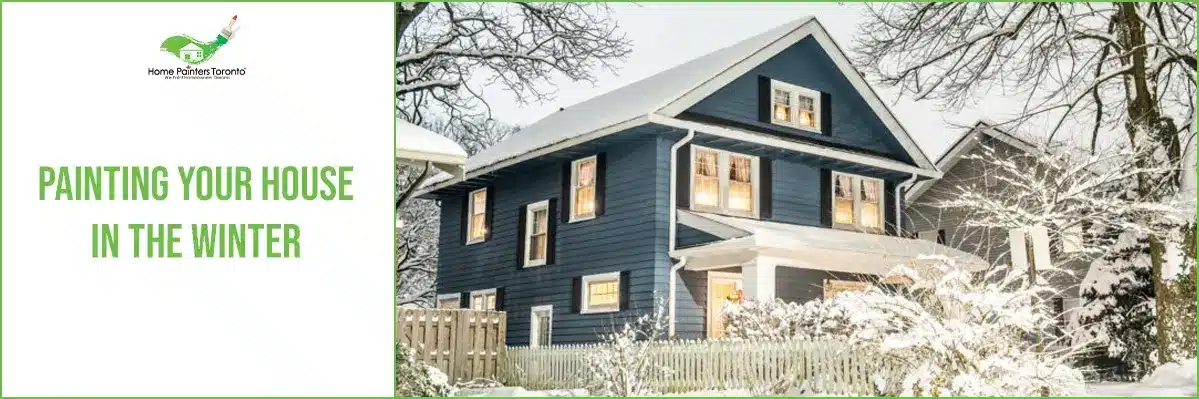
Winter can be a practical time for interior painting in Toronto because indoor temperature and humidity can usually be controlled independently of outdoor weather. Unlike exterior painting, interior projects are not directly exposed to snow, freezing temperatures, or changing outdoor conditions.
The key is to keep the room and wall surfaces within the paint manufacturer’s recommended temperature and humidity ranges, allow sufficient drying and recoat time, and maintain appropriate ventilation. When these conditions are controlled, winter interior painting can produce consistent, professional results.The cost of interior painting depends on the size of the room, the details, how much paint is needed, and much more. Although the cost of interior painting is important, it is just as important to know which time and season to start painting. There are many benefits to painting a house in the winter. Let's discuss both in this blog.
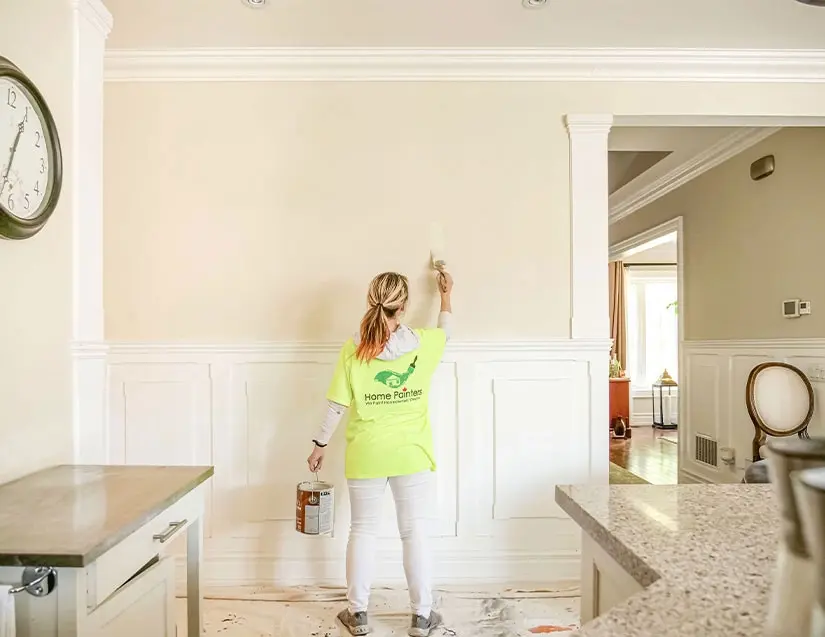
Toronto's dry winter indoor air, typically 25 to 45 percent relative humidity in a heated home, sits within or below the ideal range for interior latex paint, producing a more uniform cured film than a humid Toronto summer.
Winter Interior Painting in Toronto: Why Cold-Weather Projects Often Produce Better Results Than Summer Work
Winter can be a convenient time for interior painting because a heated home provides a controlled environment that is largely separated from outdoor weather. Indoor temperature and humidity can often be maintained within the range recommended by the paint manufacturer, helping the coating dry and cure under stable conditions. Summer painting can also produce excellent results when indoor conditions are controlled. The advantage of winter is not that paint automatically performs better, but that interior projects can continue while exterior painting becomes more dependent on weather. According to Environment Canada's climate normals data for Toronto, January and February relative humidity in Toronto averages 70 to 75 percent, while indoor humidity in a heated Toronto home in January typically runs 25 to 45 percent, which is well within the ideal 40 to 60 percent range for interior painting. The dry indoor air of a Toronto winter actively supports paint film formation rather than impeding it.
Winter Interior Painting in Toronto: Why Lower Humidity Produces a Better Dried Film Than Summer Painting
Outdoor relative humidity does not directly describe the conditions inside a heated Toronto home. During winter, indoor humidity is often lower because cold outdoor air contains less moisture and becomes drier when heated indoors. These lower indoor humidity levels can create suitable drying conditions for interior paint as long as the room remains within the coating manufacturer’s recommended temperature and humidity range. Excessively high or low humidity can both affect application and drying, so actual indoor conditions matter more than the season alone.
For a full guide on low and zero VOC paint options that minimize off gassing concerns during winter painting when ventilation is more limited, see our guide on low VOC vs zero VOC paint.
Is it Safe to Paint Indoors in Winter?
Yes, it is safe to paint indoors in winter, with a few considerations to bear in mind for the best results. While initial concern about winter conditions complicating the process is understandable, proper preparation and the use of appropriate techniques address those concerns effectively. One vital factor to consider is painting in winter ventilation. The room should have the right temperature and humidity levels for the chosen paint. Ventilating the space sufficiently, without letting the temperature drop below 10 degrees Celsius, produces the best results. The ideal temperature for interior painting is 15 to 25 degrees Celsius at 40 to 60 percent relative humidity. According to Health Canada's guidance on VOCs and indoor air quality, ventilating a room during and after painting is important regardless of season, as all paint products release some level of VOC during the drying and curing phase.
Moreover, winter painting can require more specific care regarding humidity. Even in the winter, there are places where one might need to be cautious of interior humidity. This is where the value of a dehumidifier comes into play.
Using paints with low or no VOCs is a good choice when ventilation is limited. These paints are less toxic and safer for indoor use, especially in a season where windows might be kept closed more often to retain heat.
Toronto Winter Painting Conditions: Temperature, Humidity, and Ventilation Requirements
Temperature and Ventilation Requirements for Winter Interior Painting in Toronto
The minimum safe temperature for applying latex interior paint is 10 degrees Celsius. Below this threshold, the paint film does not form correctly: the emulsion cannot coalesce properly, producing a chalky, poorly bonded surface that peels within months. The recommended working temperature for interior painting is 15 to 25 degrees Celsius throughout the painting and drying period. Toronto homes with active heating maintain temperatures well above 15 degrees Celsius through the winter, making indoor temperature rarely a constraint for winter interior painting.
Ventilation is required even in winter to manage paint VOC levels during and immediately after painting. The correct ventilation approach in winter is a slightly cracked window combined with a fan to draw air outward. This approach provides adequate air exchange without dropping the room temperature below the 10 degree Celsius minimum. Opening windows fully in a Toronto January drops the room temperature too quickly and risks paint film failure at the surface closest to the window where cold air contacts the wet film.
| Condition | Ideal Range | Winter Toronto Reality | Impact if Out of Range |
|---|---|---|---|
| Room temperature | 15 to 25 degrees Celsius | Easily maintained with active heating; minimum 10 degrees Celsius | Below 10 degrees: film does not form; chalky, peeling result |
| Relative humidity | 40 to 60 percent | Indoor heated home: 25 to 45 percent (within or below ideal range) | Above 70 percent (summer): uneven film, extended tack time, adhesion issues |
| Ventilation | Adequate air exchange to manage VOC levels | Cracked window plus outward directed fan; do not open fully in sub zero weather | Insufficient: VOC accumulation; excess: temperature drop risks film failure near windows |
| Substrate (wall) temperature | Above 10 degrees Celsius | Interior walls in heated home: always above minimum | Cold exterior walls in poorly insulated rooms may need pre warming with a portable heater before painting |
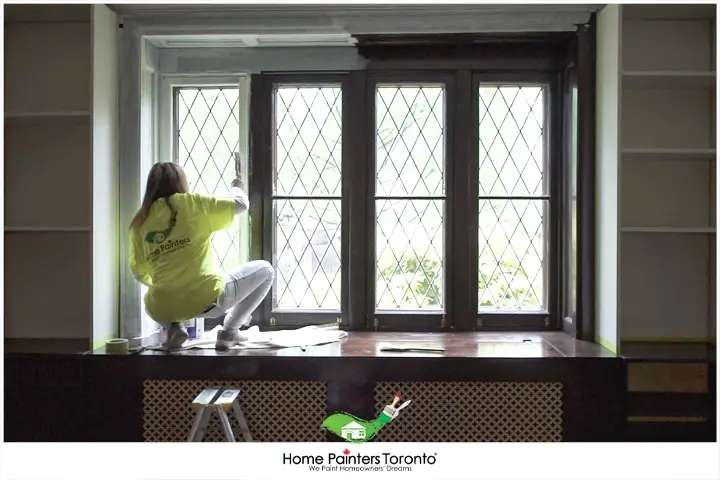
A slightly cracked window paired with an outward-directed fan provides adequate ventilation during winter interior painting without dropping the room below the 10 degree Celsius minimum latex paint needs to cure correctly.
Benefits of Painting House in Winter
- Although the temperatures are a little cooler in the winter months, there are benefits to painting during these times.
- One of them being that the temperatures not being too humid is a great thing. If it was extremely humid, the paint would dry too quickly.
- This is not good because the paint would not properly stick onto the surface. This could also cause peeling in the future. So cooler temperatures are a plus.
- Another benefit is that doing interior painting during the fall and winter means being completely indoors. Of course, being outside is much more fun, but outdoor chores can be done during the warmer months.
- Saving interior painting during the colder months so that time indoors is used productively is definitely a benefit. Lastly, it is more ideal to budget home renovation while indoors. There is a lot of information to process, so doing that while indoors, in the comfort of home, is productive.
Painting House in Winter Means Low Costs!
What most people don't know is that painting a house in the winter means lower costs and saving time. Many professional painters in Toronto offer lower costs when painting in the winter. Home Painters Toronto passes on the lower winter demand to clients, and savings of about 10 to 30 percent off the regular price for painting during the winter are achievable. It is a great opportunity to have interior painting completed at attractive prices during a season when many homeowners wait.
Calm Colours
Colours have an instant impact on mood. After a long day at work when feeling exhausted, being in a space surrounded by calming colours is restorative. When in a room filled with light blue paint, it is as if the breeze from outside is present, creating an immediate sense of calm. In a yellow room, the warmth radiates and energy lifts. Whichever colour direction a homeowner decides to take, the possibilities are endless during a winter interior repaint.
Cons of Painting House in Winter
The most obvious con of painting in the fall or winter would be the cold outside. The colder it is outside, the harder exterior surfaces can be to paint, and in Toronto winters below freezing, exterior painting becomes impractical.
Conserving heat in the home during winter painting means windows are less easily opened, which requires more deliberate ventilation management during and after painting. A cracked window and a fan directed outward provide adequate ventilation without sacrificing too much heat. Low and zero VOC paint products also minimize off gassing concerns when ventilation is limited.
What Cannot Be Painted in Toronto Winters: Exterior Painting Temperature Limits
What Exterior Painting Temperature Limits Mean for Toronto Homeowners in Winter
Exterior painting in Toronto is not feasible from approximately November through March in most years, because exterior latex paint requires a minimum ambient temperature of 10 degrees Celsius and a substrate temperature of 10 degrees Celsius throughout the application and drying period. Toronto's average January and February daily high temperatures are below 0 degrees Celsius, which means exterior surfaces are far below the minimum required substrate temperature for exterior latex. Painting exterior surfaces below 10 degrees Celsius produces a film that does not coalesce correctly, appearing normal at application but failing through peeling within the first freeze and thaw cycle. Our exterior residential painting service is scheduled for the spring through fall window when Toronto conditions consistently support exterior paint application and cure.
Tips for Protecting Fresh Paint from Winter Weather
For homeowners undertaking a winter painting project, here are protective strategies to keep winter's elements from impacting freshly painted surfaces.
Conclusion
The snow may be falling, but that doesn't mean a house painting project has to be on hold. With proper planning, the right paint, and appropriate techniques, interior painting in winter is not only feasible but often the best choice for Toronto homeowners. Lower humidity, lower costs, and greater professional painter availability all combine to make the winter months a genuinely good time to schedule an interior repaint.
Cost of Professional Interior Painting in Toronto in 2026
Home Painters Toronto is WSIB compliant, fully insured to $5 million in general liability, and all interior painting is backed by a lifetime warranty. Winter pricing reflects the 10 to 30 percent seasonal savings noted in the original blog. All prices below are in CAD and exclude HST. For the full cost breakdown, see our interior painting cost guide.
| Scope | Estimated Cost (CAD) | Winter Advantage |
|---|---|---|
| Interior room (living or dining room) | $400 – $900 | Lower humidity in heated home produces more uniform film; winter seasonal savings apply |
| Interior room (bedroom) | $400 – $800 | Low or zero VOC products standard; low winter humidity beneficial for drying |
| Interior trim, doors, and baseboards (full home) | $700 – $1,200 | Benjamin Moore Advance water based alkyd; winter scheduling often has better availability |
| Full interior home repaint (multiple rooms) | $3,000 – $7,000 | Best scope for winter booking; 10 to 30 percent lower pricing than peak summer season; same quality and warranty |
Frequently Asked Questions About Winter Interior Painting in Toronto
Yes. Winter is often the best time to paint indoors in Toronto. The low humidity of a heated Toronto home in winter, typically 25 to 45 percent relative humidity, sits within or below the ideal 40 to 60 percent range for interior latex paint. This produces a more uniform cured film than summer painting under higher humidity. The minimum room temperature required is 10 degrees Celsius, which heated Toronto homes easily maintain. A slightly cracked window with a fan for ventilation manages paint VOCs without dropping the room temperature below the minimum.
Winter interior painting is less in demand than summer painting in Toronto, because most homeowners assume winter is not suitable for painting. The lower demand means professional painters offer seasonal pricing that can save homeowners 10 to 30 percent compared to the peak spring and summer season. Home Painters Toronto's winter pricing reflects this seasonal difference, with the same quality, product specification, and lifetime warranty as summer projects.
The minimum room temperature for applying latex interior paint is 10 degrees Celsius. The ideal working temperature is 15 to 25 degrees Celsius. The room temperature must stay above 10 degrees Celsius throughout the painting and drying period, not just at the moment of application. Toronto homes with active heating maintain temperatures well above this threshold through the winter, making interior temperature a non issue for winter painting projects.
No. Exterior latex paint requires a minimum ambient and substrate temperature of 10 degrees Celsius. Toronto's average daily high temperatures from November through March are at or below freezing, meaning exterior substrate temperatures are well below the minimum required for exterior paint to adhere and cure correctly. Exterior painting applied below 10 degrees Celsius appears normal at application but fails through peeling at the first freeze and thaw cycle. Our exterior residential painting service is scheduled for the spring through fall window.
The correct ventilation approach for winter interior painting is a slightly cracked window combined with a fan directed to draw air outward. This provides adequate air exchange to manage paint VOC levels without dropping the room temperature below the 10 degree Celsius minimum required for latex paint film formation. Opening windows fully in a Toronto January drops the room temperature too quickly and risks film failure near the window. Choosing low or zero VOC paint products minimizes the ventilation requirement. For guidance on low and zero VOC product options, see our guide on low VOC vs zero VOC paint.
More Interesting Blogs Related to "Painting Your House in the Winter"
Ready to Book Your Winter Interior Painting Project?
Home Painters Toronto is the HomeStars Best of Award 2026 winner with a lifetime warranty on interior painting and 37 years serving the GTA. Call 416-494-9095 or email [email protected] for a FREE same-day estimate.