

What Every Toronto Homeowner Should Know About Exterior Caulking
5 questions to ask before booking exterior caulking in Toronto will help you choose the right contractor and the right product, and get a seal that actually holds. Not every caulking job is created equal. Ask the wrong questions, and a failed seal within two seasons is almost guaranteed.
This guide answers each question directly so you know exactly what to look for. For a full overview of professional exterior caulking services for windows and doors in Toronto, that page covers everything Home Painters Toronto offers.
Here is a quick look at what smart Toronto homeowners ask before any caulking work starts:
- What type of caulking product will you use, and why?
- Will you remove the old caulk first, or apply over it?
- Which areas of my home will you seal?
- How do I know the job was done correctly?
- What does the quote actually include?
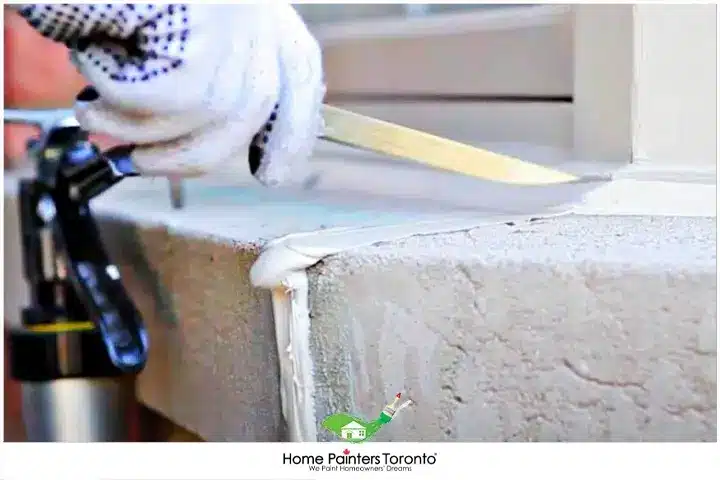
Exterior caulking is your home's first line of defence against moisture, drafts, and energy loss — the right questions before you book determine whether it holds for years or fails within seasons
How to Find a Qualified Exterior Caulking Contractor in Toronto
A qualified contractor delivers the job correctly the first time. Look for a company that is fully insured, provides a written scope of work before starting, and can show photos of past projects. Online reviews from Toronto homeowners carry more weight than a low price.
Ask how long the team has worked in the GTA. A contractor who understands Toronto's climate will know that freeze-thaw cycles are brutal on sealants, and they will match the product to those conditions. Hands-on experience with local housing types, including Victorian semis, post-war bungalows, and older brick homes, is a strong indicator of real expertise.
Liability insurance and workers' compensation coverage are non-negotiable. Any reputable contractor provides proof of both without hesitation. If they hesitate or cannot produce documents, move on.
Every area to be sealed should appear in writing before any bead is applied. A clear, itemized scope protects both parties and sets realistic expectations from the start.
Local experience with Toronto housing types means the contractor understands which products and prep methods hold up through freeze-thaw cycles specific to Ontario's climate.
What Type of Caulking Product Will You Use?
A high-quality exterior sealant designed for your home's specific surfaces and Toronto's changing weather conditions is the type of caulking product a professional contractor should use.
For most exterior window and door applications in Toronto, high-quality silicone or polyurethane sealants outperform basic acrylic caulk by a wide margin. Silicone stays flexible through extreme temperature swings, resisting the cracking that freeze-thaw cycles cause. Polyurethane offers strong adhesion and is paintable, making it the right choice when the sealed area will receive a fresh coat of paint.
At Home Painters Toronto, the team works with proven commercial-grade brands, including Mono, Dymeric, Dap, and Dow Corning. The right brand and formulation depend on the surface material, the size of the gap, and the conditions your home faces.
Ask your contractor whether the sealant they plan to use accepts paint. Some silicone products do not bond with paint at all. If your home is getting an exterior refresh at the same time, your contractor should be coordinating the sealant choice with the paint schedule, not treating them as separate jobs.
Will You Remove the Old Caulk First?
Yes, every time, without exception. Applying fresh caulk directly over cracked or deteriorated sealant is one of the most common shortcuts in the trade, and it causes early failure almost every time.
Proper recaulking means fully removing the existing bead, cleaning the surface, and letting it dry completely before any new sealant is applied. Skipping removal creates a weak bond at the interface. Within one heating and cooling cycle, the new caulk will crack, peel, or pull away from the substrate.
Removal adds labour time and increases the quoted cost. That added cost is a worthwhile investment. A correctly prepared and sealed joint lasts significantly longer and actually does the job it is supposed to do.
| Approach | Lifespan Estimate | Right Choice? |
|---|---|---|
| Caulk over old sealant (no removal) | 1 to 3 years | No |
| Full removal + clean prep + fresh sealant | 5 to 20+ years (product-dependent) | Yes |
Natural Resources Canada confirms that professional installation providing an airtight, insulated seal around windows and doors is essential for preventing water infiltration and long-term structural damage.
Which Areas of My Home Should Be Caulked?
The answer covers more ground than most homeowners expect. A thorough caulking job addresses every exterior joint where two different materials meet and where movement or weathering creates gaps over time. Common areas that should be sealed on a Toronto home include:
- Window frames on all four sides, where the frame meets the wall cladding
- Door frames along the full perimeter of every exterior door
- Trim and siding transitions where wood trim meets brick, stucco, or siding panels
- Roof flashing and vent penetrations wherever pipes or vents exit through the wall
- Concrete slab joints and foundation perimeters, especially around basement windows
- Aluminum or vinyl siding seams where weather can infiltrate over time
For Toronto homes with older wood frames, a caulking inspection often reveals damaged or rotted wood at the sill or jamb. That underlying damage must be addressed before any sealant goes on. Home Painters Toronto offers window wood frame repair and replacement services through their exterior carpentry team. Homes with stucco siding frequently have parging cracks that also need attention before sealing, and the company handles stucco siding repair and parging work directly.
Ask your contractor to do a full exterior walk-around with you before work starts. Every area they plan to seal should appear in writing. A clear, itemized scope protects both parties and sets realistic expectations before the first bead is applied.
How Do I Know the Job Was Done Correctly?
A professional contractor will welcome this question and walk you through the finished work before calling it done. Several clear signs tell you whether a caulking job was done properly.
- Clean, continuous bead lines with no gaps, voids, or skipped sections
- Smooth, tooled edges with no rough ridges, lumps, or air pockets
- No sealant smeared across glass, brick, or surrounding painted surfaces
- Consistent bead depth and width along the entire length of each joint
- No drafts near windows or doors when outside wind picks up
- No daylight visible or moisture penetrating at any sealed joint
- A clean worksite with no tape residue, caulk scraps, or waste left behind
At Home Painters Toronto, the team completes a final walk-through with the homeowner before the job is considered finished. Final payment is not processed until you confirm you are 100 percent satisfied with the results. Before hiring any contractor, ask directly whether they follow the same practice. A contractor confident in their work will say yes without hesitation.
Ask whether the contractor provides a written warranty on their labour. A warranty with defined terms and a clear return policy gives you real protection after the crew has packed up and left the site.
What Does the Quote Actually Include?
A vague quote is a warning sign. Before you agree to anything, confirm line by line exactly what is and is not covered. A complete, honest quote for exterior caulking in Toronto should clearly include:
- Labour for full removal of all existing sealant before any new product is applied
- Labour for surface preparation, cleaning, and drying of every joint
- Materials, with the specific product name and brand stated in writing
- All areas to be sealed, listed individually by location
- Worksite cleanup and waste removal after the job is complete
- Warranty terms, including the coverage period and what it applies to
Ask upfront what happens if additional damage appears once work begins. Gaps around frames sometimes reveal rotted wood or cracked masonry underneath. A trustworthy contractor flags this before starting, not mid-project, and discusses options with you. For pricing details and to request an exact quote for your home, visit the Home Painters Toronto exterior painting and caulking services page.
Why Exterior Caulking Comes Before Every Painting Project
Professional painters seal before they paint. That is not a preference; it is the correct sequence for producing work that lasts.
Applying paint over unsealed gaps traps moisture behind the finish. That moisture causes bubbling, peeling, and eventually mould growth. The paint may look fine for one season and then fail dramatically the next. Proper caulking creates the stable, sealed surface that allows exterior paint to bond correctly and hold up through Toronto winters. This is why exterior residential painting in Toronto at Home Painters Toronto always includes a full caulking and prep phase as part of the exterior process.
For homes with exterior wood siding, this sequence matters even more. Wood expands and contracts significantly with seasonal humidity and temperature changes, which opens joints over time. Sealing those joints before painting protects both the wood underneath and the finish applied above it.
What Toronto's Climate Does to Window and Door Caulking
Toronto weather puts exterior sealants through genuine stress. The GTA regularly experiences freeze-thaw cycling through fall and spring, where temperatures cross above and below freezing multiple times in a single week. Each cycle forces building materials to expand and contract, stressing the caulk bead at every joint.
Add hot, humid summers, lake-effect moisture from Lake Ontario, and the occasional ice storm, and sealants in this region degrade faster than in milder climates. A product that holds for 15 years in a stable environment may need replacement in 5 to 10 years in Toronto, depending on product grade and how it was applied.
According to Natural Resources Canada's guidance on windows, doors, and energy efficiency, windows and doors can account for up to 25 percent of a home's total energy loss. Properly sealed joints reduce that loss directly, which lowers heating and cooling costs every month.
Timing also matters for the job itself. Caulking should be applied when temperatures are consistently above 5 degrees Celsius. Late spring through early fall is the optimal window in the GTA. Work done in cold or damp conditions often fails to cure properly and does not bond the way it should.
How to Compare Exterior Caulking Quotes Side by Side
Price alone is a poor guide when comparing quotes. A lower number that excludes old sealant removal, uses unnamed materials, and offers no warranty will typically cost more in the long run. Use this framework to evaluate every quote on its full merits:
- Scope of work Is every area to be sealed listed by name?
- Product specified Is the sealant brand and type written into the quote?
- Old sealant removal Is the complete removal of existing caulk explicitly included?
- Surface prep Is cleaning and drying of the joint surface called out?
- Cleanup Is worksite waste removal mentioned?
- Warranty What period does it cover, and what are the terms?
- Payment terms Is the final payment tied to your confirmed satisfaction?
A quote that gives specific, written answers to every row above is the one worth trusting. Vague language in a quote usually becomes a dispute after the job is done.

A quality caulking job shows clean continuous beads, smooth tooled edges, no smearing on adjacent surfaces, and zero gaps — these are the marks of a professional result worth paying for
Why Toronto Homeowners Choose Home Painters Toronto for Exterior Caulking
Home Painters Toronto brings exterior caulking, exterior carpentry and wood repair services, and full exterior painting together under one roof. That means your project gets assessed and completed as a single coordinated job, with no gaps between trades and no back-and-forth coordination on your end.
The team is available seven days a week and offers same-day pricing estimates. Final payment is not processed until you confirm the results meet your expectations. That commitment applies to every project, regardless of size. To learn more about what sets the company apart, visit the Why Home Painters Toronto page.
Frequently Asked Questions About Exterior Caulking in Toronto
Lifespan depends on the product and the quality of the installation. High-grade silicone sealants can last 10 to 20 years under good conditions. Polyurethane products typically perform well for 5 to 10 years. Basic acrylic caulk fails much sooner, especially given Toronto's freeze-thaw cycling. Thorough surface preparation at the time of installation is the single biggest factor in how long the result holds.
Common signs include visible cracking, shrinking, or peeling of the bead, gaps between the caulk and the frame, drafts near windows or doors when wind picks up, rising energy bills, water stains around window or door frames, and peeling exterior paint. Caulk that looks intact can still have lost adhesion on one side. A professional inspection identifies what actually needs to be redone.
For most Toronto residential applications, silicone or polyurethane sealants are the right choice. Silicone handles extreme temperature swings well and has a longer lifespan. Polyurethane bonds firmly and accepts paint, making it ideal when the area will be repainted. At Home Painters Toronto, the selection depends on the surface, the gap, and the project scope. Commercial-grade brands such as Mono, Dymeric, Dap, and Dow Corning are among the products the team uses.
Late spring through early fall is the best window. Sealants need consistent temperatures above 5 degrees Celsius to cure and bond correctly. Application in cold, damp, or wet conditions reduces adhesion and shortens the life of the seal. If existing caulk is failing as winter approaches, a professional can advise whether a temporary patch is practical or whether full replacement should wait for warmer conditions.
Yes, often noticeably so. Sealed window and door frames reduce air infiltration, which means your heating and cooling systems work less to maintain indoor comfort. For older Toronto homes with multiple windows and a history of drafts, professional caulking can produce real reductions in monthly energy costs. The upfront cost is typically recovered through lower utility bills and avoided water damage repairs over time.
No. Applying fresh sealant over cracked or deteriorated caulk without removing it first creates a weak bond that fails quickly, often within one to two seasons. The correct process is full removal, surface cleaning, complete drying, and then application of fresh sealant. Any contractor who recommends skipping removal should be asked directly to explain why, and their answer should be very specific.

Book Exterior Caulking in Toronto the Right Way
Exterior caulking in Toronto is your home's first line of defence against moisture, drafts, pests, and the energy loss that adds up through every Toronto winter. Asking the right questions before you book a contractor turns a routine maintenance job into a lasting investment.
Home Painters Toronto handles exterior caulking as part of a full-service approach to protecting your home's exterior. The team is available seven days a week, provides same-day pricing estimates, uses commercial-grade sealant products, and does not process final payment until you confirm the work meets your expectations.
Get a Free Exterior Caulking Quote Today
Ready to get it done properly? Contact Home Painters Toronto today for a free exterior caulking quote and same-day pricing estimate.
Contact Us for a Free Quote