

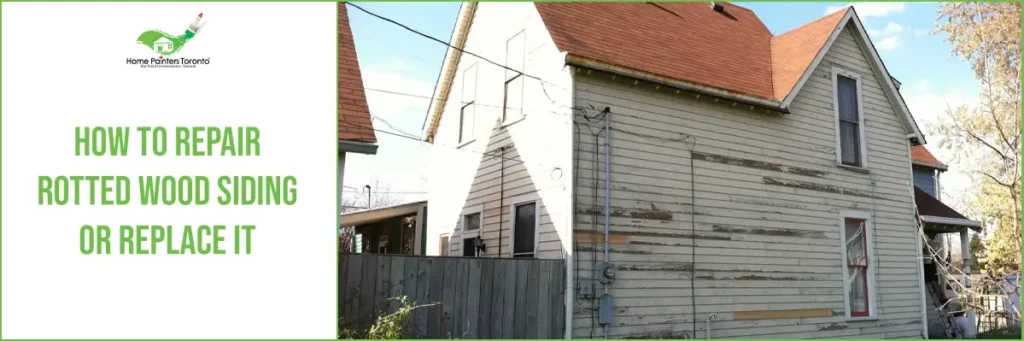
Rot-damaged wood siding is one of the most common exterior problems homeowners face, especially in climates with heavy moisture exposure and seasonal temperature changes.
What starts as a small soft spot or peeling area can eventually spread into larger structural damage if left untreated.
The key is identifying the issue early and understanding whether the siding can be repaired or if replacement is the better long-term solution.
If you’ve noticed peeling paint, soft wood, or visible deterioration on your exterior, our team provides professional exterior wood repair and carpentry services designed to restore and protect damaged siding.
What Causes Wood Siding to Rot?
Wood rot typically develops when moisture becomes trapped in exterior materials for extended periods.
Common causes include:
- failed caulking
- leaking gutters or eavestroughs
- peeling paint
- poor drainage
- prolonged weather exposure
Toronto homes experience regular freeze-thaw cycles, which can accelerate deterioration once moisture penetrates the wood.
Without proper maintenance, small areas of damage can spread quickly.
Signs Your Wood Siding Has Rot Damage
Some forms of rot are obvious, while others remain hidden beneath paint layers.
Common warning signs include:
- soft or spongy wood
- peeling or bubbling paint
- cracking or splitting siding
- dark discoloration
- visible mold or mildew
In many cases, homeowners first notice the issue when paint begins failing repeatedly in the same area.
Should You Repair or Replace Rot-Damaged Wood Siding?
The right solution depends on how extensive the damage is.
When Repair Is Usually Enough
Repair may be appropriate when:
- the damage is isolated to a small section
- the surrounding wood is structurally sound
- moisture issues have been corrected
Targeted repairs can often restore the affected area without replacing the entire wall section.
When Replacement Is the Better Option
Replacement may be necessary when:
- rot has spread extensively
- multiple boards are affected
- structural integrity is compromised
- moisture damage exists behind the siding
In these situations, replacing the damaged siding helps prevent ongoing deterioration.
How Rot-Damaged Wood Siding Is Repaired
Removing the Damaged Material
The first step is removing all compromised wood.
Leaving partially rotted material behind can allow the damage to continue spreading beneath the surface.
Repairing the Underlying Structure
Once the damaged siding is removed, the underlying structure must be inspected.
This may involve:
- replacing damaged trim
- repairing framing components
- correcting moisture entry points
Proper repairs address both the visible damage and the source of the problem.
Priming and Repainting the Surface
After repairs are complete, the siding should be properly primed and painted.
Exterior coatings help protect the wood from future moisture exposure and environmental wear.
For full exterior refinishing, homeowners often combine siding repairs with professional exterior painting Toronto services to ensure a consistent appearance across the home.
Why Proper Preparation Matters
Preparation is one of the most important parts of any wood siding repair project.
Without proper preparation:
- new paint may fail early
- moisture problems may continue
- repaired areas may not blend properly
Professional exterior carpentry teams focus on correcting the underlying issues before applying new finishes
Common Mistakes Homeowners Make With Wood Rot
Many homeowners unintentionally make the problem worse by treating symptoms instead of addressing the cause.
Common mistakes include:
- painting over damaged wood
- ignoring small soft spots
- failing to correct water intrusion
- using exterior filler on severely rotted sections
Surface repairs alone rarely solve long-term moisture problems.
When to Hire a Professional Exterior Carpentry Team
Wood siding repair often requires more than cosmetic patching.
You may want professional help if:
- rot damage is spreading
- moisture issues are ongoing
- multiple exterior materials are involved
- siding and painting work need coordination
Professionals can identify hidden damage and ensure repairs are completed properly before repainting.
Conclusion: Protecting Your Exterior Before the Damage Spreads
Rot-damaged wood siding should be addressed as early as possible.
Small areas of deterioration can quickly become larger structural repairs if moisture continues penetrating the surface.
The most effective long-term solution combines:
- proper carpentry repair
- moisture correction
- quality exterior preparation and painting
If you’ve noticed signs of wood rot or damaged siding, contact Home Painters Toronto for expert exterior wood repair and carpentry and exterior painting Toronto services designed for long-lasting protection.
Frequently Asked Questions
Can rotted wood siding be repaired instead of replaced?
Yes, small isolated areas can often be repaired if the surrounding structure is still sound.
What causes wood siding to rot?
Wood rot is usually caused by prolonged moisture exposure from leaks, failed paint, poor drainage, or trapped moisture.
How do you know if siding needs replacement?
Replacement is often necessary when rot is widespread or the structural integrity of the siding has been compromised.
Can you paint over rotted wood siding?
Painting over damaged wood does not solve the underlying problem and usually leads to continued deterioration.
How can homeowners prevent wood rot?
Regular maintenance, proper caulking, gutter maintenance, and timely repainting help reduce moisture damage.