

Toronto home sellers often spend weeks staging the inside of a house while a roofline that has peeled for three winters gets ignored. Soffit and fascia resale value is a real concern for GTA homeowners, because these components sit at eye level for anyone walking up the driveway or standing at a home inspection. A cracked fascia board or a sagging soffit panel signals deferred maintenance before a buyer even reaches the front door. Home Painters Toronto, a HomeStars Best of Award 2026 winner with more than 1,200 positive reviews across the GTA, has assessed thousands of rooflines in Toronto, Etobicoke, and Mississauga ahead of a sale, and the pattern holds up every time: buyers, agents, and inspectors all read the roofline as a proxy for how the rest of the house was cared for. This guide breaks down exactly how soffit and fascia condition shows up in a sale, an inspection, and an appraisal, and it fits alongside the broader work most sellers tackle when preparing a home for sale in Toronto and the GTA.
Soffit and fascia condition affects resale value mainly through home inspection reports and buyer perception, not a fixed dollar formula. Visible rot, sagging panels, or peeling paint on the roofline can trigger inspector flags, buyer hesitation, and price negotiation in Toronto, while a well-maintained roofline supports a stronger first impression and a cleaner inspection report.
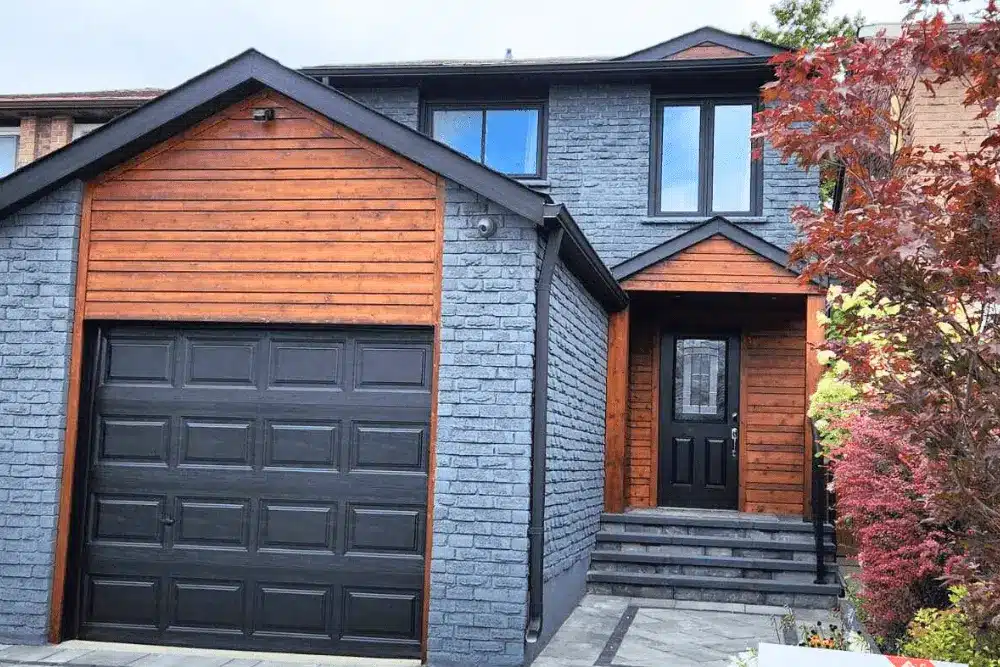
Buyers, agents, and inspectors all read the roofline as a proxy for how the rest of the house was cared for
Soffit and fascia condition affects resale value indirectly through inspection findings, buyer perception, and negotiation leverage, not through a fixed line-item price adjustment. A home inspector who spots soft fascia or a sagging soffit panel documents it in the report, and that documentation becomes a bargaining point during conditions or before closing. Buyers walking a property for the first time notice the roofline within seconds, since it frames the entire front elevation and sits directly above eye level. In the history of Home Painters Toronto's soffit and fascia repair projects across the GTA, homes listed with visibly rotted or peeling fascia consistently draw more buyer questions during showings than homes with a clean, intact roofline. The financial effect is rarely a single number on a sheet. It shows up instead as a slower sale, a lower opening offer, or a repair credit negotiated after inspection.
Why Buyers and Home Inspectors Notice the Roofline First
Buyers and inspectors notice the roofline first because it sits above eye level in direct sightline from the street, the driveway, and the front entry. Peeling paint, dark streaking, or a visible sag reads as neglect within a few seconds, long before a buyer opens the front door. Inspectors are trained to scan the exterior envelope methodically, and the roofline is one of the first components checked because water damage there often points to problems higher up, including flashing, gutters, and attic ventilation. A single damaged section can also make a buyer wonder what else has been deferred inside the house. This is why a roofline in poor condition tends to colour a buyer's entire impression of the property, even when the interior has been freshly painted and staged.
Toronto's freeze-thaw winters make this effect more pronounced than in milder climates. Wood trim that absorbs moisture in the fall and then freezes repeatedly through January and February tends to crack, split, and shed paint faster than the same material would in a stable climate, so a house that sat through even one or two harsh winters without maintenance can show visible wear by spring listing season. Real estate agents in the GTA often flag this to sellers directly, since a roofline that looks tired in listing photos can suppress the number of showings a home gets in the first two weeks on the market, which is typically when a listing attracts its strongest offers.
Soffit and Fascia Damage vs. Other Curb-Appeal Repairs That Affect Home Value
Soffit and fascia damage carries more weight with inspectors than most other curb-appeal items because it connects directly to the roof system and the attic. A cracked driveway or faded shutters read as cosmetic. A rotted fascia board reads as a possible moisture or ventilation problem, which pushes an inspector toward a stronger recommendation for further evaluation. Landscaping, paint colour, and a fresh coat of exterior residential painting affect a buyer's emotional response to a home, while roofline damage affects a buyer's confidence in the underlying structure. That distinction is why sellers preparing to list often get more return from fixing the roofline than from purely cosmetic upgrades of similar cost.
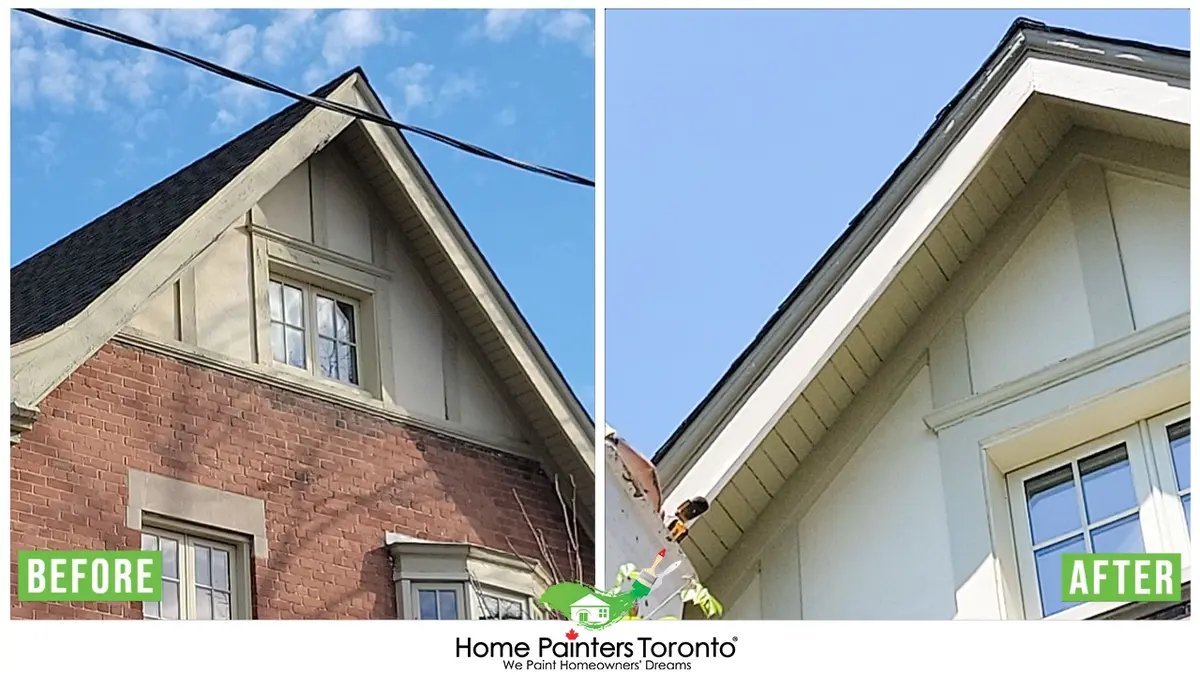
What a Home Inspector Flags at the Soffit and Fascia
A home inspector flags soft or sagging panels, visible rot, water staining, pest entry points, and gaps between the fascia and the roofline as reportable issues. Each of these signals a different underlying problem, and inspectors typically note the likely cause alongside the observation.
| Roofline Issue | What It Signals to an Inspector |
|---|---|
| Peeling or bubbling paint | Possible moisture trapped behind the coating, or an aging paint film past its service life |
| Soft spots or sagging panels | Wood rot or water saturation inside the fascia or soffit board |
| Water stains or streaking | Active or past water intrusion, often tied to gutter overflow or a flashing gap |
| Pest entry holes | An open pathway for squirrels or birds into the attic space |
| Gaps at the roofline | Loose fastening or shifted trim that can let moisture and pests behind the material |
Inspectors generally recommend a licensed contractor evaluate anything beyond simple surface wear, and that recommendation appears in writing, which buyers and their agents read closely before finalizing an offer. Most of these deficiencies fall under general exterior wood repair and carpentry, so a single crew can usually diagnose and correct the whole roofline in one visit.
Typical Home Inspection Report Language for Roofline Deficiencies
Most Ontario home inspection reports describe roofline deficiencies using conditional language, not a pass or fail rating. A typical entry might read that fascia boards show signs of deterioration and recommend evaluation and repair by a qualified contractor. This phrasing matters because it leaves the door open for negotiation. Buyers and their agents often use this exact wording to request a price reduction or a repair credit before the deal closes, even when the damage itself is limited to a single section of the roofline.
Repair Versus Full Replacement Before Listing: What's Worth It
Repair versus full replacement before listing comes down to the extent of the damage, not the age of the material. A single section of rotted fascia on an otherwise sound roofline is a strong candidate for a targeted repair, since it resolves the inspection flag without the cost of touching sections that are still performing well. Widespread sagging, repeated paint failure across multiple sections, or rot found at more than one point on the roofline usually points toward full replacement, because patch repairs on a failing system tend to resurface as new flags in a buyer's own inspection weeks later. Sellers often bundle this work with related wood siding replacement and repairs or a wood deck repair project when several exterior wood components show wear at the same time, since scheduling one crew for all of it before listing tends to save on setup and access costs. Sellers listing within a tight window benefit from an honest assessment before choosing either path, since a rushed patch job that fails a second inspection can cost more in delay than the original repair would have.
Signs a targeted repair is enough:
- Damage is contained to one or two sections of the roofline
- The rest of the fascia and soffit still holds paint without cracking or lifting
- No musty smell or staining has appeared on the ceiling below the affected area
- The home's overall exterior condition otherwise matches its listing price point
Signs full replacement is the safer choice:
- Rot or soft spots appear at multiple, unconnected points along the roofline
- Paint has failed in the same location more than once despite past touch-ups
- Aluminum capping is present, and the condition underneath has not been checked recently
- The home is being positioned as move-in ready at a premium price point
Cost to Repair vs. Estimated Impact on Buyer Perception
The cost of soffit and fascia repair in Toronto typically runs from $2,000 to $10,000 CAD plus HST, depending on the scope, and the buyer-perception impact scales with how visible and how extensive the damage is. Sellers weighing this against other pre-listing work, such as the cost of painting a house, generally find the roofline repair delivers a disproportionate return relative to its price.
| Project Scope | Estimated Cost Range | Typical Buyer Perception Impact |
|---|---|---|
| Spot repair, single section | $2,000 - $4,000 + HST | Minor inspection note, rarely affects offers when addressed before listing |
| Full replacement, standard home | $4,000 - $8,000 + HST | Removes a common negotiation point and supports a stronger first impression |
| Large, custom, or multi-storey home | $8,000 - $10,000 + HST | Highest visibility repair, most likely to influence buyer confidence in the whole exterior |
Sellers frequently underestimate how much a small, visible repair matters compared to its low cost. A $2,000 to $4,000 fix on a single fascia section is inexpensive relative to most pre-listing renovations, yet it removes one of the most common line items that appears in Toronto home inspection reports.
Appraisal Adjustments Tied to Deferred Exterior Maintenance
Appraisers do not typically assign a specific dollar deduction for a damaged soffit or fascia board, but they do factor exterior condition into their overall assessment. Designated appraisers with the Appraisal Institute of Canada consider interior and exterior finishes and note any deficiencies or required repairs during a property inspection, which can influence the condition rating applied in a comparable sales analysis. A property flagged with deferred exterior maintenance may land at the lower end of a comparable value range, even when interior finishes are strong, because the condition rating reflects the whole envelope, not one room at a time.
Timing Your Roofline Repair Before You List
The best time to repair soffit and fascia before a sale is four to eight weeks ahead of listing, which gives enough room for scheduling, material lead times, and a final coat of matched paint to cure properly. Booking too close to the listing date risks a rushed job or a wet-weather delay, both common in the GTA shoulder seasons. Home Painters Toronto is WSIB compliant and fully insured, and every completed roofline repair comes with warranty-backed results, which gives sellers and their agents documentation they can point to if a buyer's inspector raises a question during the sale process. Sellers with older aluminum trim sometimes combine this work with aluminum windows and siding painting or a broader exterior painting refresh, since scheduling early leaves time to address anything unexpected the crew finds once old material comes down, such as hidden rot behind a section that looked sound from the ground.
Spring listings, which dominate the Toronto and GTA market between March and June, put extra pressure on this timeline because every exterior contractor in the region is booking similar work at the same time. Sellers planning a spring listing get the most reliable scheduling by requesting an assessment in late winter, before the seasonal rush begins. Fall listings carry a different risk, since cooler temperatures and shorter drying windows can slow exterior paint curing, so sellers targeting a fall close should build in extra buffer time between the repair and the first professional photos.
The Hidden Red Flag That Costs Sellers More Than the Repair Itself
Aluminum capping over rotted fascia is the roofline issue that costs sellers the most once it is discovered, because it turns a routine repair into a trust problem during negotiation. Capping wraps a thin aluminum shell over the existing wood without removing what is underneath, and a rushed capping job can trap moisture against the board it was meant to protect, which speeds up decay instead of stopping it. Regular seasonal exterior inspection, the kind recommended in CMHC's home maintenance guidance for homeowners, is what usually catches this before a listing goes live, since capped sections often look fine from the ground and only reveal the problem when a home inspector probes the material during a pre-sale inspection.
- At a recent pre-listing assessment in the Kingsway area of Etobicoke, our crew found a fascia section capped roughly eight years earlier with soft, saturated wood underneath, reading 22 percent moisture content on a pin-type meter, well above the range where active decay typically sets in softwood trim.
- We removed the capping, replaced the affected sections, and finished the new fascia and matching soffit with Benjamin Moore Aura Exterior in Low Lustre applied at a 4 to 5 mil dry film thickness, per the product's technical data sheet.
The seller disclosed the repair proactively, and the home inspector's report on the subsequent sale noted no roofline deficiencies, which removed what would have otherwise been a predictable negotiation point. More completed examples like this one are documented in our painting and carpentry project portfolio.
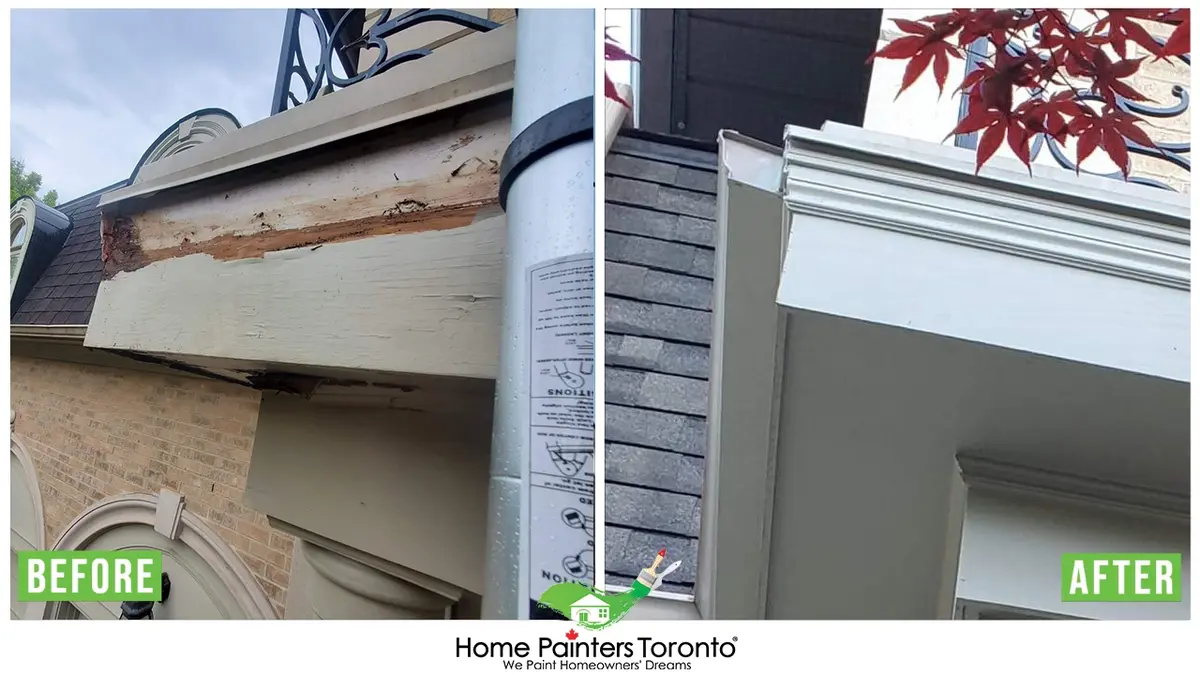
The home inspector's report on the subsequent sale noted no roofline deficiencies
FAQ About Soffit and Fascia Resale Value
A home inspector will not fail or pass a house outright, since Ontario inspections describe condition instead of issuing a pass or fail grade. A damaged roofline gets documented as a deficiency with a recommendation for further evaluation, and that written note is often what buyers use to negotiate.
Replacing soffit and fascia before selling does not add a guaranteed dollar amount to the sale price, but it removes a common inspection flag and negotiation point. Sellers typically see the benefit as a smoother inspection and fewer repair credits requested after an accepted offer.
Repainting works only when the wood underneath is still sound, since paint alone cannot fix rot or structural softness. A moisture check before painting tells a seller whether a fresh coat will hold or whether the underlying board needs replacement first.
Fixing the roofline typically protects value more than it adds a specific dollar figure, since its main role is preventing an inspection flag and the price negotiation that tends to follow one. The cost of a spot repair is usually far smaller than the credit a buyer might request after finding the same issue during their own inspection.
Home inspectors in Ontario routinely check the soffit and fascia as part of a standard exterior inspection, since these components tie directly into the roof and attic ventilation system. Sellers should expect this area to be reviewed on nearly every pre-purchase inspection in the GTA.
Disclosing a documented past repair is generally the stronger approach, since a well-documented, warranty-backed repair reassures buyers instead of raising new questions. An undisclosed capping job or patch that surfaces during the buyer's own inspection tends to create more suspicion than the same repair would if it had been shared upfront with receipts and warranty information.

Get Your Roofline Sale-Ready and Protect Your Home's Resale Value
A clean, well-maintained roofline gives buyers, agents, and inspectors one less reason to hesitate, and it protects the resale value of a home that has otherwise been prepared carefully for sale. Waiting until a buyer's inspector finds the problem almost always costs more in negotiation than fixing it ahead of time, since a documented, professionally completed repair reads very differently on paper than an open deficiency flagged mid-transaction. Home Painters Toronto offers fast, free quotes and warranty-backed work on every soffit and fascia repair or replacement across Toronto and the GTA, backed by a team that is WSIB compliant and fully insured on every job site. Read more about why homeowners choose Home Painters Toronto before booking your assessment.
Ready to protect your home's resale value before you list?
Contact Home Painters Toronto for a fast, free quote on your soffit and fascia repair or replacement.
Get a Free Estimate