

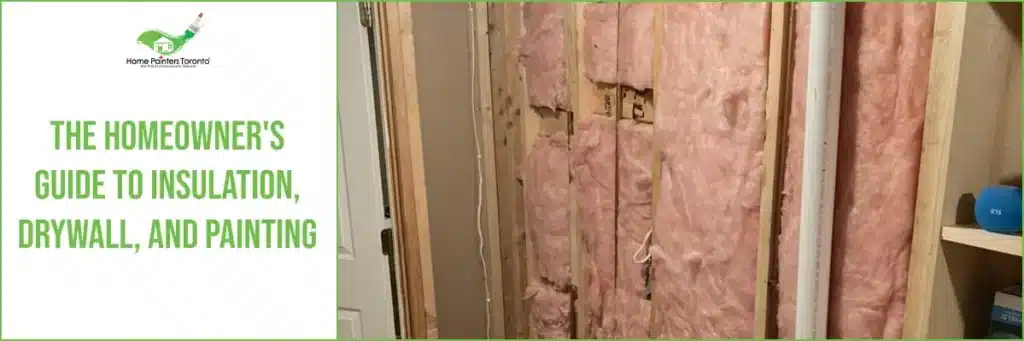
Many renovation and repair projects involve three key stages: insulation installation, drywall work, and interior painting. Understanding how these steps connect can help homeowners plan projects more effectively and avoid costly finishing issues later.
Whether you are finishing a basement, repairing ceiling damage, or renovating a room, the sequence and quality of each stage will influence the final appearance and durability of the painted surfaces.
If your renovation involves wall repairs or new drywall installation, learn more about professional drywall repair Toronto services to ensure surfaces are properly prepared before painting.
How Insulation, Drywall and Painting Work Together
Insulation, drywall, and painting are closely connected during construction and renovation projects.
Insulation is typically installed first inside wall or ceiling cavities. Drywall is then applied to create smooth interior surfaces. Finally, painting completes the finishing stage and protects the walls.
Problems at any stage — such as poor insulation installation or uneven drywall finishing — can affect the quality of the final paint result.
When Insulation Is Installed Before Drywall
Insulation plays an important role in interior comfort and wall performance.
New Drywall Installation
New drywall panels are cut and secured to wall studs or ceiling joists.
Joints between panels must be taped and finished to create a seamless appearance before painting.
Drywall Repair and Patching
Existing homes often require drywall repairs due to water damage, cracks, or previous renovations.
Professional drywall repair Toronto helps restore wall integrity and prepare surfaces for painting.
Ceiling Drywall Issues
Ceilings can develop damage from moisture, structural movement, or aging materials.
Repairing ceiling drywall properly is essential before applying new paint finishes.
If your ceilings show cracks, stains, or peeling paint, explore ceiling repair and drywall services to correct surface issues before painting.
Why Proper Drywall Preparation Matters Before Painting
Painting directly over poorly finished drywall can result in visible seams, uneven texture, or premature coating failure.
Taping and Mudding
Joint compound is applied over drywall seams and fasteners to create a smooth transition between panels.
Multiple coats may be required depending on the finish level.
Sanding and Surface Smoothing
After drying, drywall surfaces are sanded to remove imperfections and create a consistent finish.
This step plays a major role in how smooth the final painted surface will appear.
Priming New Drywall
Primer helps seal drywall surfaces and ensures the paint coats bond properly.
Skipping primer can lead to uneven absorption and inconsistent colour appearance.
The Interior Painting Stage After Drywall Work
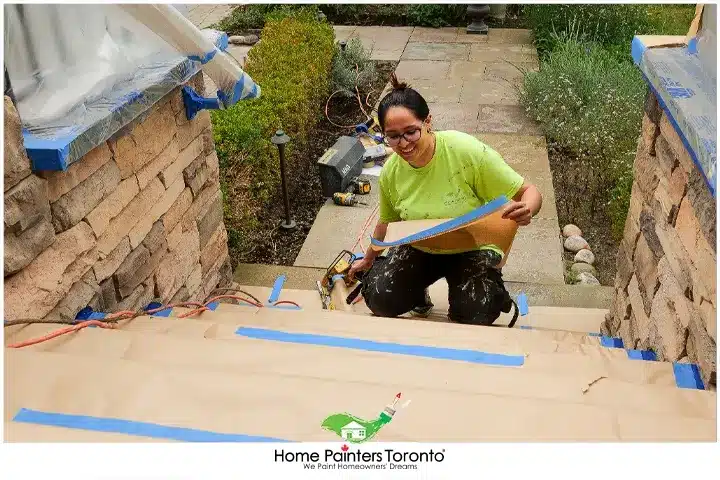
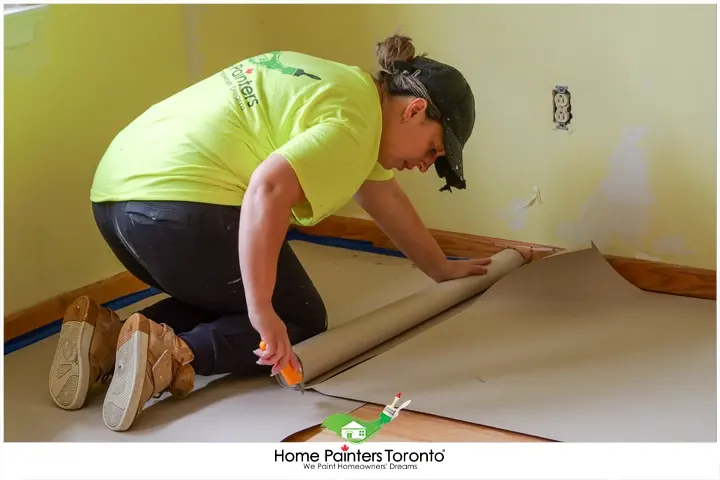
Once drywall preparation is complete, interior painting can begin.
Painting protects the drywall surface while improving the appearance of the room.
Professional interior painting Toronto services help ensure:
consistent coverage
smooth finishes
durable coatings suitable for high-traffic areas
Combining proper drywall repair with professional painting helps create longer-lasting interior finishes.
Common Renovation Scenarios That Involve All Three Steps
Many home improvement projects involve insulation, drywall, and painting together.
Examples include:
finishing a basement
repairing water-damaged ceilings
remodeling older rooms
updating interior layouts
improving sound insulation between floors
Planning these stages correctly helps prevent delays and improves the overall quality of the renovation.
Get a Drywall Repair Quote in Toronto
If your renovation involves drywall repairs or interior repainting, learn more about drywall repair Toronto services and request a professional assessment to prepare your walls and ceilings properly.
Request a drywall repair assessment to ensure walls and ceilings are properly prepared for interior painting.
Frequently Asked Questions About Insulation, Drywall and Painting
Does insulation need to be installed before drywall?
Yes. Insulation is typically placed inside wall or ceiling cavities before drywall panels are installed.
Can you paint directly over new drywall?
New drywall should be primed first to ensure proper paint adhesion and consistent finish.
Why do drywall seams show after painting?
Seams may become visible if taping, mudding, or sanding was not completed properly before painting.
When should drywall be repaired instead of replaced?
Minor cracks, holes, or surface damage can often be repaired, while severe structural damage may require replacement.
Do drywall repairs need to be painted afterward?
Yes. Repairs usually require priming and repainting to match the surrounding wall surface.