

Ways to Clean a Stained Brick House Without Damaging It
Cleaning a stained brick house properly is essential for Toronto homeowners who want to preserve both the appearance and the structural integrity of their exterior masonry, because the wrong method can undo years of careful staining work in a single afternoon. Home Painters Toronto, the HomeStars Best of Award 2026 winner with over 1,200 positive reviews and 37 years serving the GTA, stains and maintains brick exteriors across North York, Etobicoke, Leaside, and Riverdale every season. A stained brick house can add character and curb appeal to a property, but like any exterior surface, it still requires maintenance. Over time, brick exteriors accumulate dirt and dust, mildew or algae, water stains, and general environmental buildup. Cleaning stained brick properly matters because the wrong methods can damage the masonry surface or affect the appearance of the stain itself.
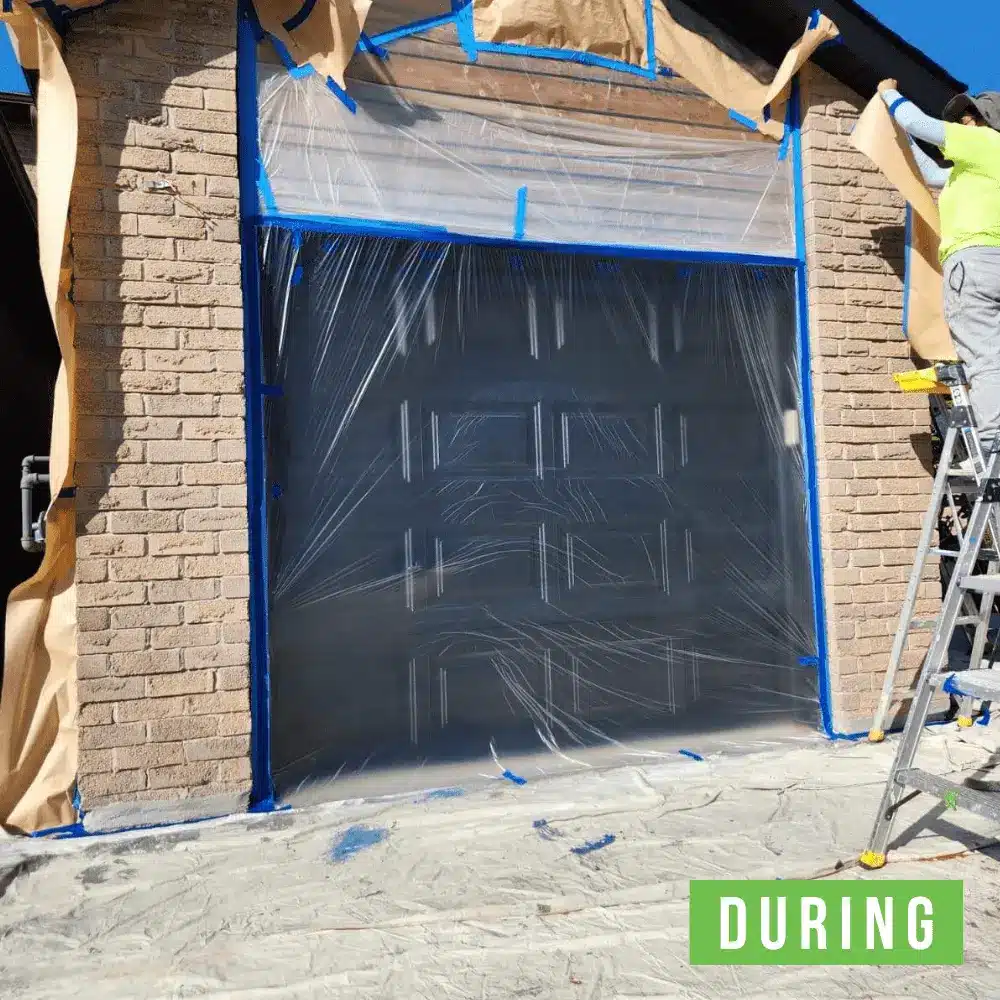
Stained brick penetrates into the masonry rather than coating it, which means cleaning methods need to be gentler than what works on painted surfaces — a soft brush and low pressure rinse, not a pressure washer at full force.
Why Proper Brick Cleaning Matters
Brick is a porous material that reacts differently than painted siding or wood surfaces. Improper cleaning methods can damage the stain finish, force moisture into the masonry, weaken mortar joints, or create an uneven colour appearance across the wall. According to the Brick Industry Association's technical notes on cleaning brickwork, the gentlest cleaning method appropriate for the situation should always be selected first, since the effects of any cleaning process on the brickwork should be carefully evaluated before work begins. The association specifically recommends testing any cleaning solution on a small, inconspicuous area before committing to the full exterior.
In Toronto's climate, where freeze and thaw cycles are common throughout the winter months, protecting masonry surfaces from unnecessary moisture exposure is especially important. Brick that absorbs excess water during a cleaning project can trap that moisture through a subsequent freeze cycle, which expands within the pores of the masonry and contributes to surface damage that would not occur in a milder climate.
What Makes Stained Brick Different From Painted Brick?
Stained brick and painted brick behave differently because the coatings work in fundamentally different ways. Brick stain penetrates into the masonry surface, while paint forms a coating layer over the brick. Because stained brick maintains more of the natural texture and breathability of the masonry, cleaning methods should be gentler and focused specifically on preserving the finish rather than treating the surface as a sealed, impermeable coating.
Cleaning Considerations: Stained Brick vs Painted Brick
| Factor | Stained Brick | Painted Brick |
|---|---|---|
| Coating behaviour | Penetrates into the brick; preserves texture and breathability | Forms a surface film; can trap moisture if not breathable |
| Pressure washing risk | Higher; aggressive pressure can strip stain from the porous surface | Lower for the coating itself, but high pressure can still damage mortar |
| Best cleaning approach | Gentle washing, soft brush, low pressure rinse only | Mild detergent wash; avoid abrasives that scratch the paint film |
| Recoating interval after cleaning | Stain may need refreshing sooner if heavily scrubbed | Paint film generally more resistant to light cleaning wear |
| Risk of uneven appearance | High if cleaning is inconsistent across the wall | Lower; paint film evens out minor surface variation |
Common Causes of Dirt and Staining on Brick Houses
Exterior brick surfaces are constantly exposed to environmental conditions. Common causes of buildup include airborne dirt and debris, mildew or algae growth, hard water runoff, nearby landscaping or trees, and pollution or road residue. Homes located near busy streets or heavily shaded areas may experience buildup more quickly than homes in open, less trafficked locations.
Toronto-Specific Factors That Accelerate Brick Staining
| Factor | Why It Matters in Toronto | Most Affected Areas |
|---|---|---|
| Road salt spray (winter) | Salt laden runoff and spray from passing traffic accumulates on lower brick courses | Homes on busy streets, near intersections, or with driveways close to the house |
| Freeze and thaw cycling | Repeated moisture expansion and contraction within brick pores accelerates surface wear | All Toronto homes; over 100 cycles per year citywide |
| Mature tree canopy | Shaded, damp conditions encourage algae and mildew growth on north facing walls | Established neighbourhoods with mature street trees (Leaside, The Annex, Riverdale) |
| Older porous brick (pre-1970s) | Older brick absorbs moisture and airborne contaminants more readily than modern brick | Heritage homes across Toronto's older neighbourhoods |
| Eavestrough overflow | Improperly draining gutters wash dirt and debris down brick faces repeatedly | Homes with clogged or undersized eavestroughs |
Safe Ways to Clean a Stained Brick House
Gentle Washing With Water and Mild Cleaner
In many cases, mild cleaning solutions and water are enough to remove surface dirt. Gentle methods reduce the risk of damaging the stained surface significantly compared to more aggressive alternatives. Low pressure rinsing is generally safer than aggressive pressure washing, particularly on the porous, breathable surface that stained brick presents.
Soft Bristle Brush Cleaning
Soft bristle brushes can help remove stubborn buildup without damaging the brick surface. Metal brushes or abrasive tools are avoided entirely, since they can scratch the masonry or affect the stain appearance in ways that cannot be reversed without restaining the affected area.
Removing Mould or Mildew Carefully
Mould or mildew should be treated carefully to avoid spreading spores or damaging the surface. Cleaning products specifically designed for masonry compatible exterior surfaces are the correct choice. Areas with recurring mildew may also indicate moisture retention issues nearby that deserve investigation beyond the immediate cleaning task.
Spot Cleaning Problem Areas
Some brick houses only require localized cleaning rather than full exterior washing. Spot cleaning can address splash marks, localized staining, and runoff discolouration without unnecessarily disturbing the rest of the masonry surface, which is both more efficient and gentler on the overall finish.
What to Avoid When Cleaning Stained Brick
Many homeowners accidentally damage brick by using overly aggressive cleaning methods. High pressure washing too close to the surface, harsh acidic cleaners, abrasive scrubbing tools, and excessive moisture saturation should all be avoided. These methods can weaken mortar joints or alter the appearance of the stain finish permanently. The Brick Industry Association specifically cautions that pressurized water above approximately 700 kPa (100 psi) risks localized removal of mortar joint sand, which weakens the wall assembly over time even when the brick face itself appears undamaged.
Safe Pressure and Product Reference for Cleaning Stained Brick
| Method or Product | Safe for Stained Brick? | Notes |
|---|---|---|
| Garden hose, low pressure rinse | Yes | Safest starting point; removes loose surface dirt without risk |
| Pressure washer at or below 100 psi (700 kPa) | Generally yes, with caution | Industry recommended ceiling; keep nozzle moving and at a safe distance |
| Pressure washer above 100 psi | No | Risk of stripping stain, eroding mortar joints, and causing spalling |
| Mild dish detergent diluted in water | Yes | Effective for general dirt and grime; rinse thoroughly afterward |
| Soft nylon or natural bristle brush | Yes | Correct tool for stubborn buildup; will not scratch the surface |
| Metal wire brush | No | Scratches masonry and can leave metal fragments that rust and stain further |
| Muriatic (hydrochloric) acid, undiluted | No | Dissolves mortar and brick surface; causes permanent pitting and weakening |
| Masonry specific mildew treatment | Yes | Formulated to treat organic growth without damaging the stain or substrate |
How Often Should Exterior Brick Be Cleaned?
The frequency depends on weather exposure, surrounding vegetation, environmental conditions, and overall maintenance levels. In many cases, occasional light cleaning is enough to maintain appearance without over treating the masonry. Toronto homes facing busy streets, with significant tree canopy, or with poor drainage near the foundation typically need more frequent attention than homes in more sheltered, well drained settings.
When Brick Cleaning Should Be Combined With Exterior Repairs
Sometimes staining or discolouration is linked to underlying exterior problems. Leaking gutters, failed caulking, deteriorated trim, and water intrusion can all contribute to recurring brick staining or moisture related issues that no amount of cleaning alone will resolve. If nearby exterior wood components are damaged, services like exterior wood repair and carpentry may be necessary before refinishing exterior surfaces.
When to Hire a Professional Exterior Contractor
Some brick cleaning situations require professional assessment, especially when staining keeps returning, mildew growth is extensive, mortar joints are deteriorating, or multiple exterior surfaces are affected. Professionals understand how to clean masonry safely while protecting the surrounding materials and finishes, and they bring the judgment needed to distinguish a simple cleaning job from one that signals a deeper moisture or structural concern.
Home Painters Toronto is WSIB compliant, fully insured to $5 million general liability, and all exterior brick staining work carries a 15 year warranty. These credentials matter on any masonry project where the wrong approach can cause damage that costs far more to correct than the original cleaning would have cost to do properly.
Cost of Professional Brick Cleaning and Maintenance in Toronto in 2026
Costs vary based on the size of the home, the extent of staining or mildew, and whether the cleaning is combined with restaining or repair work. All prices below are in CAD and exclude HST.
| Scope | Estimated Cost (CAD) | Notes |
|---|---|---|
| Spot cleaning (localized areas) | $150 – $400 | Splash marks, runoff staining, isolated mildew patches |
| Full exterior gentle wash (standard home) | $500 – $1,200 | Soft wash method; appropriate for most Toronto homes |
| Mildew and algae treatment (full exterior) | $600 – $1,500 | Masonry safe treatment; may require follow up application |
| Cleaning combined with brick restaining | Quoted by scope | 15 year warranty on restaining; most cost effective when combined |
| Mortar joint repair (if deterioration found during cleaning) | $300 – $1,200 | Depends on extent of repointing required |
For brick staining services, see our exterior brick staining page. Same day free estimates are available seven days a week across the GTA.
Real Project: Brick Cleaning and Restaining in an Etobicoke Home
Etobicoke 1960s Bungalow: Misdirected Downspout, Mildew Treatment, Low Pressure Wash, and Spot Restaining
A homeowner in Etobicoke contacted Home Painters Toronto after noticing dark streaking and patchy discolouration on the brick exterior of their 1960s bungalow, an issue that had developed gradually over several years near the base of the wall and around the downspout discharge points.
Our team's assessment found the staining was caused by a combination of factors: a downspout discharging directly against the brick rather than away from the foundation, and mildew growth in a shaded section along the north wall where tree canopy kept the surface damp for extended periods after rain.
The downspout was redirected to discharge well away from the foundation before any cleaning began, addressing the root cause rather than just the symptom. The affected brick was washed using a low pressure rinse below 100 psi combined with a masonry safe mildew treatment, applied with a soft bristle brush in sections to avoid over saturating any single area. The wall was rinsed thoroughly and allowed to dry fully before assessment. Because the original brick stain had worn unevenly in the affected zone, the cleaned section was restained to match the surrounding brick, restoring a uniform appearance across the full elevation.
Home Painters Toronto is WSIB compliant, fully insured to $5 million general liability, and all exterior brick staining is backed by a 15 year warranty. For completed projects, visit our Toronto painting projects page. Same day free estimates are available seven days a week across the GTA.
Conclusion: Protecting the Appearance of Stained Brick
Cleaning a stained brick house requires a careful approach. The goal is not just removing dirt, but preserving the appearance and condition of the masonry underneath. The best long term results come from gentle cleaning methods, proper moisture management, regular exterior maintenance, and addressing repair issues early.
Frequently Asked Questions
Yes, aggressive pressure washing can damage mortar joints or affect the appearance of the stained surface. The Brick Industry Association recommends staying at or below 100 psi (700 kPa) when pressurized water is used at all, and many professionals favour a gentle hose rinse over any pressure washer for stained masonry specifically.
Gentle cleaning methods using mild cleaners, water, and soft brushes are typically safest. Low pressure rinsing combined with a soft bristle brush for stubborn areas removes most dirt and buildup without risking damage to the mortar joints or the stain finish itself.
Yes, especially in shaded or moisture prone areas. North facing walls, sections beneath mature tree canopy, and areas with poor drainage are all more prone to mildew and algae growth than sun exposed, well drained sections of the same home.
Most homes only require occasional light cleaning depending on environmental exposure. Homes near busy streets, with extensive tree cover, or with drainage issues may need attention every one to two years, while homes in more sheltered settings can often go three to five years between cleanings.
Yes, strong acidic or abrasive cleaners may alter the appearance of the masonry finish. Muriatic acid in particular dissolves both the brick surface and the mortar joints, causing permanent pitting and structural weakening that no amount of subsequent care can fully reverse.
Recurring staining usually points to an underlying moisture source rather than a cleaning problem. Check for clogged or misdirected downspouts, failed caulking, or drainage issues near the affected area. Our exterior brick staining service includes an assessment of the underlying cause whenever staining has proven persistent, since restaining over an unresolved moisture problem only delays the same issue from reappearing.
More Helpful Blogs Related to Cleaning a Stained Brick House
Need Stained Brick Cleaned or Restained in Toronto?
Home Painters Toronto is the HomeStars Best of Award 2026 winner with a 15-year warranty on brick staining. Call 416-494-9095 or email [email protected] for a FREE same-day estimate.