

You just had your wood fence painted. It looks sharp, the colour is crisp, and the wood finally has a proper protective coat. Now what? Wood fence maintenance after painting in Toronto is one of the most overlooked steps in protecting that investment. Skip it, and within a season or two, you'll be dealing with peeling paint, cracking wood, and a fence that looks decades older than it is.
This guide covers exactly what Toronto homeowners need to do to keep a painted wood fence in great shape year after year. We'll also be direct about when maintenance becomes a job for the professionals rather than a weekend DIY project.
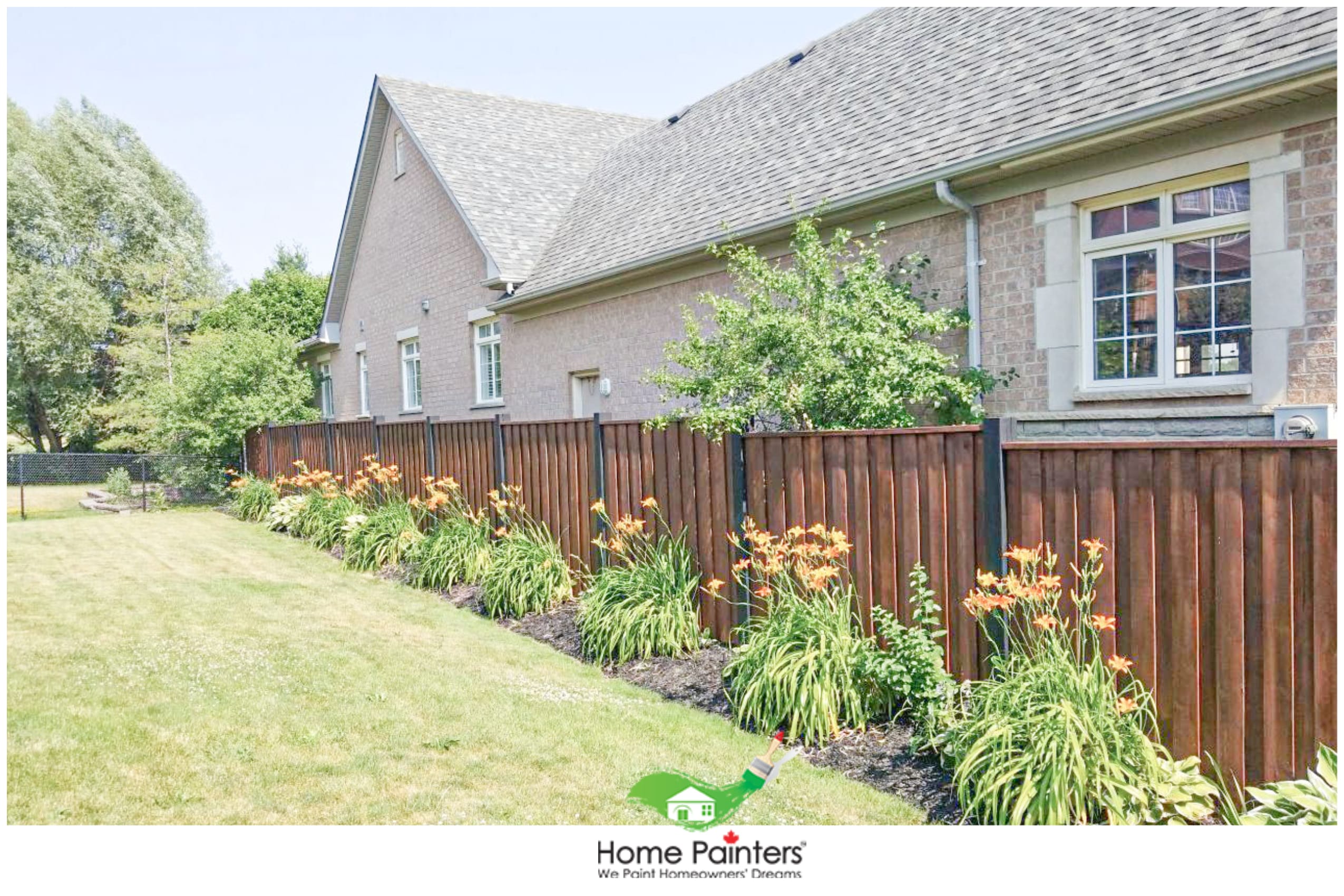
Why Wood Fence Maintenance After Painting Matters in Toronto
Toronto's climate is genuinely tough on painted wood. Summers bring humidity and UV exposure that can soften and fade paint. Fall means wet leaves pressing against fence boards for weeks. Winters deliver freeze-thaw cycles that force moisture into every tiny crack. By spring, even a quality paint job can show early signs of wear.
This is not a defect in the paint. It is the nature of painted exterior wood in a humid continental climate. The City of Toronto's urban forestry and property standards recognize that exterior wood maintenance is an ongoing responsibility for property owners.
The good news is that proactive maintenance is far cheaper than full repainting. A fence that gets annual attention can easily double the life of a quality paint job. One that gets ignored will need a full repaint in three to four years instead of six to eight.
What to Inspect After Your Fence Has Been Painted
First 30 Days After Painting
Fresh paint on wood needs time to cure fully. During the first month, avoid pressure washing or scrubbing the fence. Inspect it visually for any areas the initial coat missed, particularly end-grain cuts, post tops, and the undersides of horizontal rails. These spots are where moisture enters and where paint adhesion is most critical.
If you notice any thin or uncovered spots in the first few weeks, a touch-up with the same paint and sheen is quick and effective. This is one case where a small DIY fix is reasonable, provided you use the exact same product and do not paint over wet or dirty wood.
Seasonal Inspection Checklist
After the first month, build a habit of checking the fence twice a year. Ideal times are late spring (after frost season) and early fall (before freezing temperatures return). Here is what to look for:
Any of these issues caught early can be treated before they cascade into expensive structural problems. Once rot sets into a post or rail, the repair becomes a carpentry job, not a painting job.
Routine Maintenance Tasks and How to Do Them Right
Cleaning Your Painted Wood Fence
Cleaning is the single most effective maintenance task you can do. Dirt, algae, bird droppings, and organic debris break down paint over time. A yearly wash dramatically extends the life of the finish.
Use a garden hose with a spray attachment and a soft-bristle brush with mild dish soap or a dedicated exterior wood cleaner. Work top to bottom. Rinse thoroughly and allow the fence to dry for at least two to three days before any touch-up work.
Avoid using a pressure washer on a painted fence unless you are an experienced user. Pressure washing at the wrong angle or distance strips paint, drives water into the wood grain, and can cause more harm than good. Professionals use controlled pressure settings and appropriate tip distances to clean without damaging the surface.
Paint Touch-Ups: When and How
Minor touch-ups are part of any maintenance plan. Small areas of peeling, chips from yard tools, or weather-exposed spots can be spot-painted effectively if caught early.
The challenge is matching paint perfectly. Paint fades over time, so the touch-up area may look slightly different even if you use the exact same product. For large sections, repainting the full board or panel is a better approach than spot-patching.
If you are touching up more than ten to fifteen percent of the fence surface, you are approaching full repaint territory. At that point, contacting a professional for a proper assessment makes financial sense.
Addressing Mould and Mildew
Mould and mildew are common on fences in shaded or damp areas of a yard. A mixture of one part bleach to four parts water applied with a brush and left for fifteen minutes will kill surface mould before rinsing. Always wear gloves and eye protection.
Recurring mould growth, however, usually signals a moisture problem that paint alone cannot solve. Poor drainage near the fence base, dense plantings that block airflow, or underground moisture can all cause persistent mould. In those cases, a professional assessment will identify the root cause rather than treating the symptom season after season.
Caulking and Sealing Joints
One of the most overlooked aspects of painted fence care is maintaining the caulk or sealant at joints, post tops, and rail connections. These are the spots where water most easily penetrates.
Check these areas annually. If the caulk is cracking, pulling away, or missing entirely, it needs to be replaced. Our team at Home Painters Toronto addresses this as part of any exterior project, and our exterior caulking service ensures every joint is properly sealed before paint is applied. This step alone significantly extends how long a paint job lasts.
When DIY Maintenance Becomes a Professional Job
There is a real difference between wiping down your fence and diagnosing why paint keeps failing in the same spot. Most Toronto homeowners are comfortable with basic cleaning, but several situations genuinely require professional experience.
Signs You Need a Professional Painter
The issue with DIY repainting over improperly prepared wood is that you are sealing in the problem. Paint applied over peeling paint, dirty wood, or damp boards will fail again within months. Proper preparation, which includes scraping, sanding, priming bare spots, and timing the application around humidity levels, is where professional painters earn their value.
The Real Cost of Skipping Professional Prep
Many homeowners attempt to repaint a fence themselves to save money, only to find the paint peeling again within a year. The cost of paint, equipment rental, and lost weekends often exceeds what a professional would charge for a job done correctly with properly prepared surfaces and quality materials.
A professionally painted fence with proper prep work typically lasts six to eight years in Toronto's climate. A DIY repaint over inadequate prep may last twelve to eighteen months. The math on long-term value is clear.
Fence Staining vs Painting: Which Holds Up Better in Toronto?
A common question homeowners ask after their first full repaint cycle is whether they should switch from paint to stain, or vice versa. The answer depends on the wood condition, the desired look, and the level of maintenance acceptable for the property.
Paint creates a film layer on the wood surface that provides strong colour retention and a polished appearance. Stain penetrates the wood and allows natural movement without cracking. Our deck and fence staining service is a popular choice for homeowners who want a lower-maintenance finish that still provides real protection against moisture and UV exposure.
The important thing to know is that you cannot apply stain directly over old paint without stripping the surface first. Transitioning between the two finishes requires a full strip and prep process. This is best done by professionals who can assess the wood condition and recommend the right product for the specific fence type and exposure.
Recommended Maintenance Schedule for Painted Wood Fences
Use this schedule as a practical guide for keeping your painted fence in good condition between professional painting cycles.
| Frequency | Task | Who Should Do It |
|---|---|---|
| Monthly (spring/summer) | Visual inspection for early damage | Homeowner |
| Every 6 months | Full inspection with checklist | Homeowner or professional |
| Annually (spring) | Gentle wash, mould treatment if needed | Homeowner (with care) |
| Annually (fall) | Caulk check, minor touch-ups, clear debris | Homeowner or professional |
| Every 3-4 years | Full assessment, spot repainting, prep work | Professional painter |
| Every 6-8 years | Full repaint or restain | Professional painter |
What If the Fence Itself Needs Repair?
Painting or maintaining a fence with structural issues is a waste of money. If individual boards are rotting, pickets are missing, or posts are failing at the base, those need to be addressed before any paint touches the surface. Home Painters Toronto offers full wood fence replacement and repair services. Our carpentry team handles structural issues so that when painting begins, every surface is sound and ready to hold a proper finish.
Similarly, our exterior carpentry and handyman services cover a wide range of wood repairs that often come up during fence maintenance assessments, from replacing damaged rails to resecuring loose post hardware.
Combining repair and repainting in a single project with one contractor saves time, reduces disruption, and ensures the prep work and carpentry meet the same quality standard as the finish coat.
Why Toronto Homeowners Choose Home Painters Toronto
There is no shortage of painting companies in the GTA. What sets Home Painters Toronto apart is the combination of technical preparation, quality materials, and a warranty structure that actually backs up the work.
Our exterior residential painting service includes proper surface preparation as a non-negotiable part of every project. That means scraping, sanding, priming bare spots, and applying paint under the right conditions for the right adhesion. We do not rush prep to get to the colour faster.
We also carry a three-year exterior warranty on our work. If a paint job fails under normal conditions within that period, we come back and fix it. That kind of assurance is only possible when the prep work is done the first time correctly.
With over 38 years of serving Toronto and the GTA and more than 17,000 satisfied homeowners, our reputation is built on doing the job right. You can read what our clients say on our client reviews page or reach out to us directly for a free estimate.
For background on wood preservation standards relevant to outdoor structures, the Canadian Wood Council's wood properties resource provides authoritative guidance on how treated and painted wood behaves in exterior applications across Canadian climates.
Frequently Asked Questions About Wood Fence Maintenance After Painting
Protect Your Investment: Get Professional Wood Fence Maintenance in Toronto
A freshly painted fence is an asset. Keeping it that way requires more than hoping the weather is kind. Consistent inspections, prompt cleaning, and knowing when to call a professional are the difference between a fence that looks great for a decade and one that needs expensive repairs within a few years.
Wood fence maintenance after painting in Toronto is something Home Painters Toronto has helped thousands of homeowners navigate. Whether you need a full repaint, structural repairs, or a professional assessment of your fence's current condition, our team is ready to give you an honest evaluation and a fair estimate.
We are open seven days a week and offer same-day pricing estimates. Contact us at (416) 494-9095 or use our online estimate form to get started. Your fence does the hard work of protecting your property and defining your outdoor space. Let us help it do that job well for years to come.
Ready to protect your painted wood fence?
Contact Home Painters Toronto today for a free, no-obligation estimate. Call (416) 494-9095 or visit homepainterstoronto.com. We're open 7 days a week and offer same-day pricing. Toronto's most trusted fence painting and maintenance specialists, with 38 years of experience and a 3-year exterior warranty to prove it.