

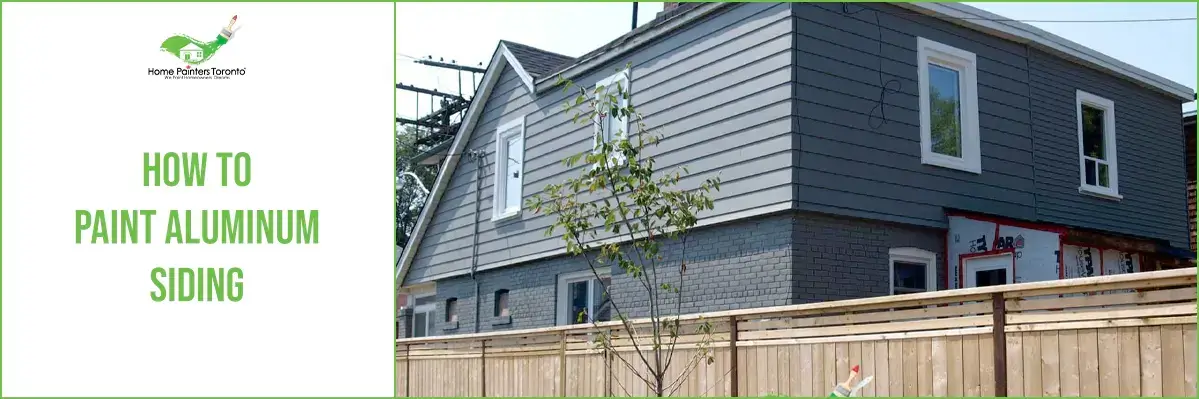
Aluminum siding remains common on many older Toronto homes because of its durability and low maintenance requirements.
Over time, however, aluminum siding can become faded, chalky, or weathered from years of exposure to sunlight, moisture, and seasonal temperature changes.
Painting aluminum siding is often a practical way to refresh the appearance of a home without fully replacing the exterior. However, long-lasting results depend heavily on proper preparation and the correct exterior paint system.
This guide explains how aluminum siding is properly prepared and painted while helping homeowners understand common problems that affect long-term durability.
If your aluminum siding is faded, chalky, or peeling, our team provides professional exterior painting Toronto services designed for long-lasting exterior protection and curb appeal.
Why Aluminum Siding Gets Repainted
Homeowners often repaint aluminum siding because:
- colours have faded over time
- the exterior looks outdated
- chalky oxidation has developed
- previous coatings are wearing down
Painting allows homeowners to modernize the appearance of the home while extending the lifespan of the existing siding.
Common Problems With Older Aluminum Siding
Older aluminum siding often develops surface issues that affect paint adhesion and appearance.
Common problems include:
- chalking or oxidation
- dents and surface damage
- peeling paint
- faded colour
- loose or damaged panels
These problems should be addressed before repainting begins.
Why Preparation Matters Before Painting Aluminum Siding
Preparation is one of the most important parts of repainting aluminum siding.
Without proper preparation:
- paint may peel prematurely
- adhesion can fail
- surface imperfections may remain visible
- moisture problems may continue beneath the coating
Proper cleaning and surface preparation help create a stable foundation for the new paint system.
How to Paint Aluminum Siding Step-by-Step
Inspect the Siding Condition
Before painting begins, the siding should be inspected carefully for:
- loose panels
- damaged sections
- oxidation buildup
- failed caulking
Identifying these problems early helps prevent future paint failures.
Clean the Surface Thoroughly
Aluminum siding should be cleaned to remove:
- chalky residue
- dirt and debris
- mildew or algae
- environmental buildup
Cleaning improves paint adhesion and helps create a more even finish.
Gentle washing methods are often preferred to avoid damaging older siding panels.
Repair and Prepare Damaged Areas
Dented panels, failed caulking, and loose sections should be repaired before painting begins.
If surrounding trim, soffits, or exterior wood components are deteriorating, professional exterior wood repair and carpentry services may also be required before repainting.
Prime the Surface if Necessary
Some aluminum siding surfaces require primer depending on:
- oxidation levels
- exposed bare metal
- previous coating condition
Proper priming helps improve adhesion and coating durability.
Apply Exterior Paint Properly
Exterior paint should be applied evenly under suitable weather conditions.
Correct application techniques help:
- reduce streaking
- improve finish consistency
- extend coating lifespan
Paint products designed specifically for exterior metal surfaces generally perform best on aluminum siding.
Common Mistakes Homeowners Make When Painting Aluminum Siding
Common repainting mistakes include:
- painting over chalky oxidation
- skipping cleaning and preparation
- using incompatible coatings
- painting during poor weather conditions
These shortcuts often lead to premature peeling or uneven finishes.
How Toronto Weather Affects Aluminum Siding
Toronto’s weather conditions create unique challenges for exterior coatings.
Freeze-thaw cycles, UV exposure, rain, and humidity all affect:
- paint adhesion
- siding expansion and contraction
- long-term coating durability
Exterior painting projects should be timed carefully to allow proper curing conditions.
When Aluminum Siding Repairs Should Be Completed First
Painting alone cannot solve structural siding problems.
Repairs may be necessary if the siding has:
- loose or damaged panels
- severe dents
- moisture-related deterioration nearby
- failed trim or flashing components
Preparing the entire exterior system properly helps improve long-term performance.
When to Hire a Professional Exterior Painting Contractor
Professional help may be the better option if:
- oxidation is extensive
- the siding is heavily weathered
- repairs and repainting need to be coordinated together
- multiple exterior materials are involved
Professional painters understand how aluminum siding reacts to weather exposure and how to prepare it properly for long-term durability.
Conclusion: Extending the Life of Aluminum Siding
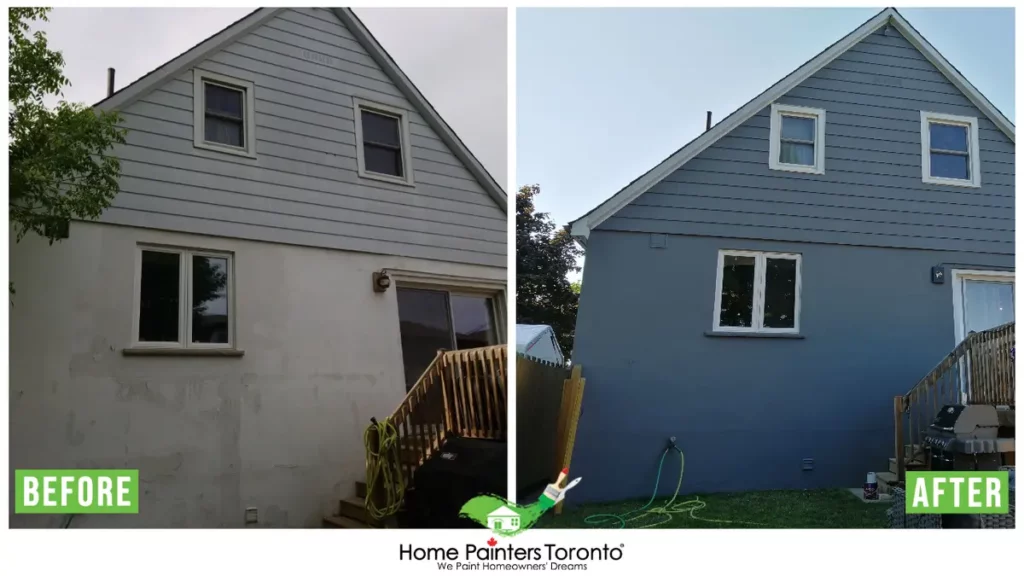
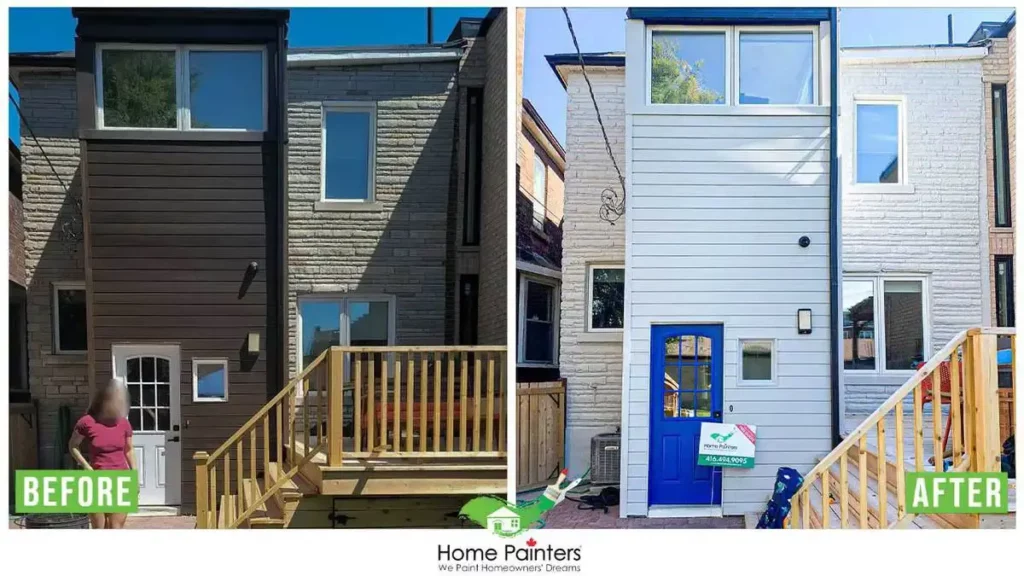
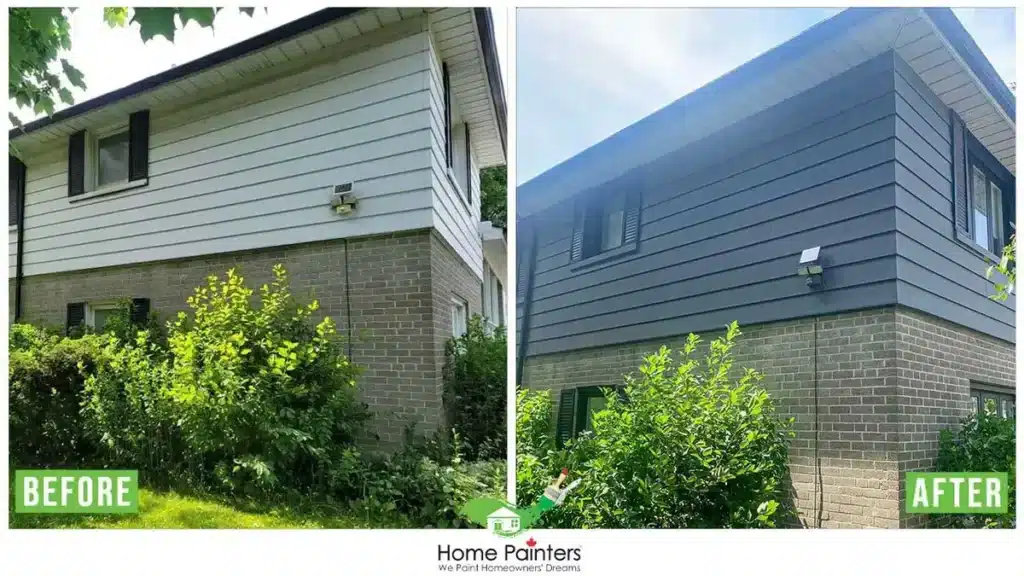
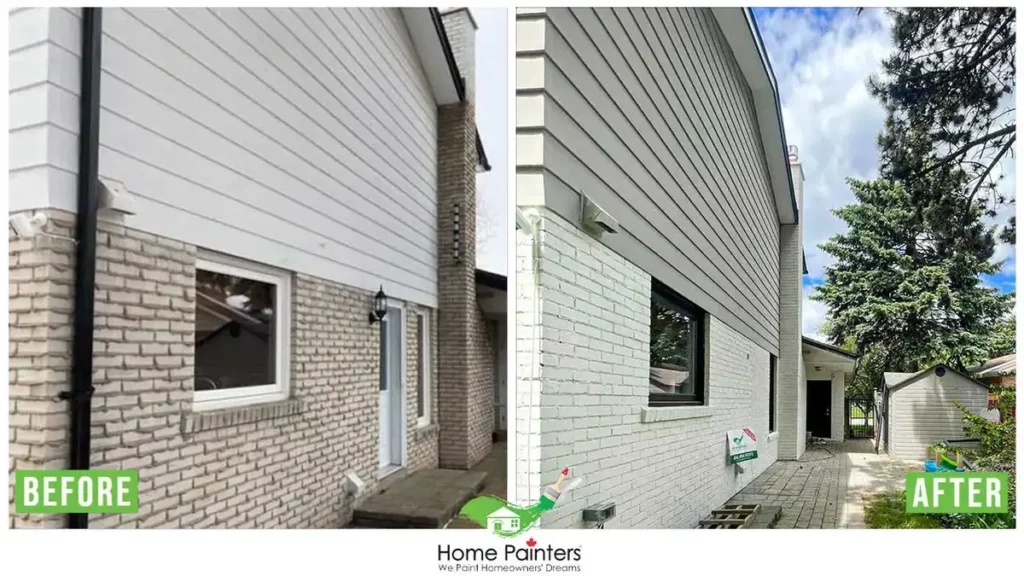
Painting aluminum siding can dramatically improve curb appeal while helping extend the life of the exterior.
Long-lasting results depend on:
- proper preparation
- correct cleaning methods
- compatible exterior coatings
- ongoing maintenance
When done properly, repainting aluminum siding can refresh the appearance of a home without requiring full siding replacement.
If your aluminum siding needs professional preparation or repainting, contact Home Painters Toronto for expert exterior painting Toronto and exterior restoration services tailored to Toronto homes.
Frequently Asked Questions
Can aluminum siding be painted instead of replaced?
Yes, repainting is often a practical way to refresh aluminum siding if the material remains structurally sound.
Why does aluminum siding become chalky?
Chalking occurs as the original finish breaks down from long-term UV and weather exposure.
Does aluminum siding need primer before painting?
Primer may be necessary depending on oxidation levels and the condition of the existing coating.
Can you paint over oxidized aluminum siding?
Oxidation should be cleaned and prepared properly before repainting begins.
How long does painted aluminum siding last?
The lifespan depends on preparation quality, weather exposure, and ongoing maintenance.