

Can You Paint Window Frames Inside
Painting window frames inside a Toronto home is entirely possible and one of the most cost effective ways to refresh a room's most architecturally interesting feature, but the right approach depends heavily on the frame material and the level of precision the project demands. Home Painters Toronto, the HomeStars Best of Award 2026 winner with over 1,200 positive reviews and 37 years serving the GTA, paints interior window frames and casings across homes in North York, Etobicoke, Leaside, and Riverdale every season. Windows reflect the fine details in a home, and window casings are typically finished with higher sheens specifically because that glossy surface naturally draws the eye. This guide covers material considerations, colour and finish selection, and what a properly executed window frame painting project actually involves.
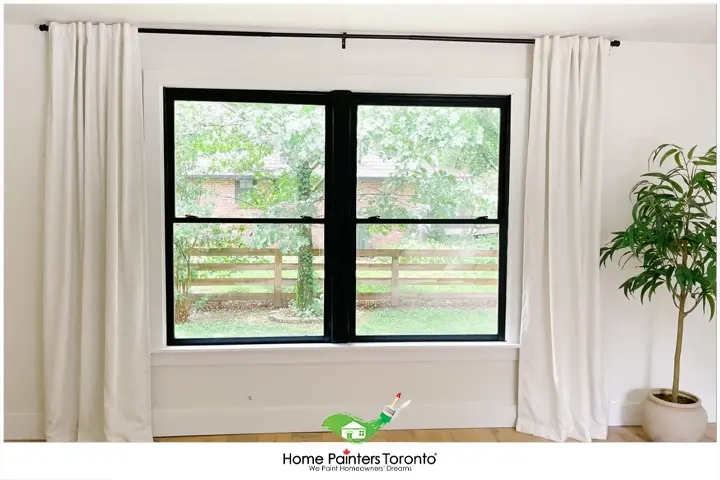
Window casings are typically finished with higher sheens specifically because that glossy surface naturally draws the eye — precision around glass and hardware separates a professional result from a DIY one.
The Possibilities of Paint on Window Frames
Material Considerations for Painting Window Frames
Window frames come in an array of materials, including wood, aluminum, vinyl, and more, and each material requires a specific approach. Wood frames lend themselves well to painting, providing a traditional character that refreshes effectively with a coat of paint. Metal frames, such as aluminum, often require special primers and treatments to ensure the paint adheres properly and withstands the test of time, since standard latex paint does not bond reliably to bare metal without that intermediate step.
Colour and Texture for Window Frame Painting
Selecting the right paint elevates a room, lending either vibrancy or subtlety to the ambiance depending on the choice made. High gloss finishes contribute to a sleek, modern look, while matte finishes complement a more rustic or traditional setting. Colour choice is pivotal in either drawing attention to the frames as a feature or allowing them to blend seamlessly with the surrounding walls. Black window frames are a popular choice for homeowners wanting to add elegance and sophistication to their homes. Black frames work in any room but are especially effective in spaces with high ceilings or large windows, and they pair particularly well with other dark colours like navy blue or charcoal gray.
Window Frame Materials: How Each Affects the Painting Approach
| Material | Painting Difficulty | Primer Required | Best Finish | Notes |
|---|---|---|---|---|
| Wood | Low; straightforward to refresh | Standard primer on bare wood; spot prime on repairs | Semi gloss or high gloss | Most common in older Toronto homes; sands and accepts paint predictably |
| Aluminum | Moderate; requires correct primer | Etching or bonding primer specifically formulated for metal | Satin or semi gloss | Standard latex will not adhere without the correct primer; common on mid century Toronto homes |
| Vinyl | Moderate; colour restrictions apply | Vinyl safe bonding primer | Satin | Dark colours can cause heat related warping on south facing windows; lighter colours generally safer |
| Fibreglass | Low to moderate | Bonding primer recommended | Satin or semi gloss | Increasingly common in newer Toronto window installations; accepts paint well with correct prep |
How Interior Window Frames Are Properly Painted
A professional approach to painting window frames follows a careful sequence that protects the surrounding glass, hardware, and wall surfaces while producing a smooth, even finish on every component of the frame assembly.
Dry Time Before Reopening or Closing Painted Window Frames
Allowing adequate dry time before moving or closing a freshly painted window is one of the most commonly overlooked steps, and rushing it causes painted surfaces to stick together permanently. Cure times vary by product type and Toronto's seasonal humidity, which our guide on getting rid of paint smells also touches on in the context of VOC off gassing during a project.
| Product Type | Dry to Touch | Safe to Close or Operate Window | Full Cure |
|---|---|---|---|
| Water based interior latex enamel | 2 to 4 hours | 24 hours minimum | 7 to 14 days |
| Water based alkyd (e.g., Benjamin Moore Advance) | 4 to 6 hours | 24 to 48 hours | 14 to 30 days |
| Oil based enamel | 8 to 24 hours | 48 to 72 hours | 30 days |
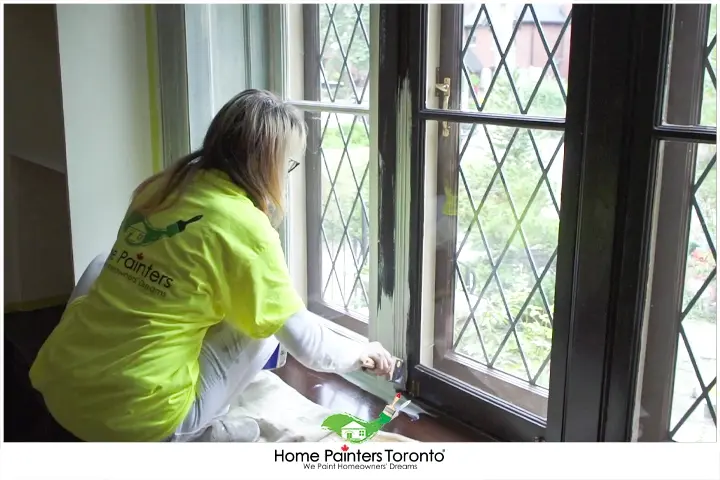
Caulking and painting are complementary but separate steps — both are typically addressed together for a complete window refresh that covers the visible surface and the weather seal behind it.
Window Caulking: A Companion Project to Frame Painting
Caulking applied around doors and windows extends to finishing and sealing other parts of a home's exterior as well, including aluminum siding, trim and vinyl siding, concrete slabs, roof flashing, and more. Any area exposed to weather is a candidate for caulking. Sherwin Williams caulks and sealants offers a full product range, and recognised industry brands including Mono, Dymeric, and Dow Corning are commonly specified depending on the budget and the specific circumstances of the project.
Different caulking levels exist for different applications, and professional exterior painters select products based on the home's specific needs and budget rather than a one size-fits all approach. Over applying caulk is avoided just as carefully as under applying it; the correct type and quantity for the specific window or joint produces the most durable, weather resistant seal.
Maintaining Painted Window Frames
Painted window frames are maintained by wiping away dirt or dust with stain remover wipes or a product such as Behr Swipes interior wall wipes, which clean painted surfaces without removing the paint film beneath. Regular gentle cleaning, rather than infrequent aggressive scrubbing, preserves the finish and extends the interval between repaints.
When to Hire a Professional for Window Frame Painting
Professional assistance is the right choice for window frames in metal or vinyl, where the wrong primer produces adhesion failure that is costly to correct, for heritage homes with original wood sash windows requiring careful disassembly and reassembly, and for any project where the precision required around glass, hardware, and weatherstripping exceeds the available time or comfort level. Our interior residential painting service includes window frame and casing painting as part of comprehensive interior projects across Toronto.
Home Painters Toronto is WSIB compliant, fully insured to $5 million general liability, and all interior painting is backed by a lifetime warranty.
Cost of Painting Window Frames in Toronto in 2026
All prices below are in CAD and exclude HST.
| Scope | Estimated Cost (CAD) | Notes |
|---|---|---|
| Single window frame and casing (wood) | $80 – $180 | Includes prep, prime if needed, and two coats |
| Single window frame (aluminum or vinyl) | $100 – $220 | Includes bonding primer and two coats |
| Whole home window frame painting (per window average) | Quoted by scope; often bundled with full room or full home interior projects | Most cost effective when combined with broader interior painting |
| Window caulking (per window) | $30 – $80 | Often paired with frame painting for a complete refresh |
For a full breakdown of interior painting costs, see our interior painting cost guide.
Real Project: Black Window Frame Refresh in a Leaside Home
Leaside Wood Window Frames: Cream to Black, Water Based Alkyd in Semi Gloss, 48-Hour Cure Before Closing
A homeowner in Leaside contacted Home Painters Toronto to update the original wood window frames throughout their main floor from a dated cream colour to black, aiming for a more contemporary, high contrast look against the home's white walls.
Our team's assessment confirmed the existing wood frames were in sound condition, requiring standard prep rather than any repair. All hardware was masked, and each window sash was worked through individually, with the upper and lower sash painted in sequence while the frame remained partially open to allow access to both surfaces.
Two coats of a water based alkyd enamel in a deep black were applied in semi gloss finish, chosen specifically for its hard, durable surface that withstands the frequent contact window frames receive. Windows were left undisturbed for the full 48 hour period before being closed or operated again, ensuring the painted surfaces had cured sufficiently to avoid sticking. The contrast between the new black frames and the home's white walls produced exactly the modern, architectural look the homeowner had envisioned.
Home Painters Toronto is WSIB compliant, fully insured to $5 million general liability, and all interior painting is backed by a lifetime warranty. For completed projects, visit our Toronto painting projects page. Same day free estimates are available seven days a week across the GTA.
Wrapping Up: Painting Window Frames Inside Is a Viable Refresh
Painting inside window frames is a viable and effective method to refresh a space's interior. It stands as a testament to the principle that powerful changes can arise from focusing attention on fundamental structural elements. As with any construction related project, the key to painting windows lies in mindful planning and execution: accounting for the frame material, the environment the project is taking place in, and the importance of using quality supplies for a long lasting finish. Carefully painted window frames elevate the innate charm of a room, creating an inviting and renewed atmosphere through a harmonious blend of functionality and design.
Frequently Asked Questions About Painting Window Frames Inside
Yes, aluminum window frames can be painted, but they require a bonding or etching primer specifically formulated for metal surfaces before any topcoat is applied. Standard latex paint applied directly to bare aluminum without primer fails to adhere properly and peels within a short time.
Vinyl window frames can be painted darker colours including black, but heat absorption is a real consideration, particularly on south or west facing windows that receive direct afternoon sun. Confirming the specific paint product is rated safe for vinyl substrates before applying any dark colour reduces the risk of heat related warping.
At minimum 24 hours for water based interior enamel, and up to 48 to 72 hours for oil based or water based alkyd products. Closing or operating the window before the paint has sufficiently cured causes the painted surfaces to stick together, which can damage the finish when forced open again.
Semi gloss or high gloss finishes are the standard choice for window casings and frames, since the glossy surface naturally draws the eye and produces a crisp, defined look. Matte finishes are occasionally used for a more rustic or traditional aesthetic but show wear and fingerprints more readily on a high contact surface like a window frame.
Caulking and painting are complementary but separate steps. Caulking seals gaps between the frame and the surrounding wall or exterior siding to prevent drafts and moisture entry, while painting protects and finishes the visible surface. Both are typically addressed together for a complete window refresh. See our exterior caulking service for the exterior side of this work.
A single wood window frame and casing typically costs $80 to $180 to paint professionally, including prep and two coats. Aluminum or vinyl frames requiring bonding primer run slightly higher at $100 to $220 per window. Whole home window frame painting is most cost effective when bundled with a broader interior painting project. All quotes from Home Painters Toronto are free and provided the same day.
More Helpful Blogs Related to Painting Window Frames Inside
Ready to Paint Your Toronto Window Frames?
Home Painters Toronto is the HomeStars Best of Award 2026 winner with a lifetime warranty on all interior painting. Call 416-494-9095 or email [email protected] for a FREE same-day estimate.