

Should You Get Your Walls Repaired After Water Damage?
Getting walls repaired after water damage is not optional once moisture has been in contact with drywall for any meaningful length of time, because drywall is highly porous and absorbs water the way a sponge does, even from contact with less than an inch of standing water. Home Painters Toronto, the HomeStars Best of Award 2026 winner with over 1,200 positive reviews and 37 years serving the GTA, repairs and repaints water damaged drywall across homes in North York, Etobicoke, Leaside, and Riverdale every season. The moment moisture contacts a wall, the clock starts on mould risk, and the right response depends entirely on how much water was involved and how quickly it is addressed. This guide covers how to assess the damage, when repair versus replacement is the right call, and what a proper professional repair involves.
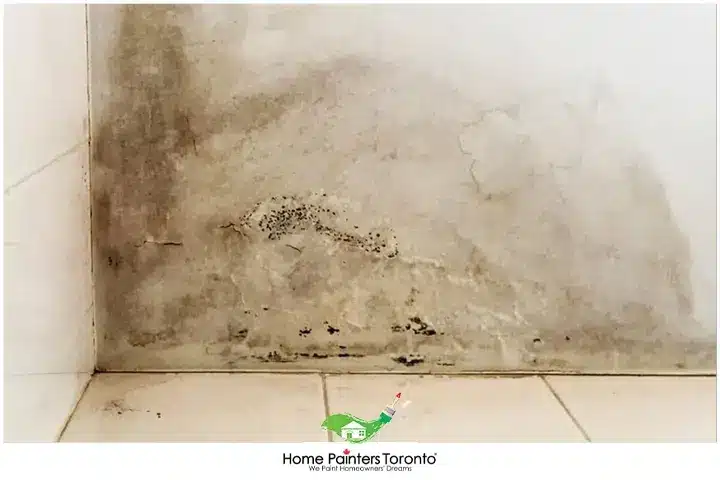
The moment moisture contacts drywall, the clock starts on mould risk — how much water was involved and how quickly it gets addressed determines whether a wall needs drying and repainting or a full section replacement.
Why Water Damage on Walls Should Never Be Ignored
Water coming into contact with walls is not something any homeowner should take lightly. It may seem that a significant amount of water would be needed to cause serious damage, but even an inch or less is enough, because drywall is highly porous and acts like a sponge around moisture. According to Health Canada's guide to addressing moisture and mould indoors, mould can begin growing within 24 to 48 hours of sustained moisture exposure, and immediate action is important once any area is found to be damp for an extended period. The moment moisture has been in contact with a wall, addressing it becomes the priority.
Understanding the Impact of Water Damage on Walls
Water damage can drastically affect the structural integrity of walls. Continuous exposure to water can lead to dampness, bulging, crumbling of plaster or drywall, and the growth of mould and mildew. This kind of damage goes beyond mere aesthetics, since it threatens the strength of the wall itself and can lead to considerably more expensive restoration work if left unattended.
How to Tell There Has Been Drywall Water Damage
Several indicators point to water damage on walls. Spots that appear darker or lighter than the surrounding paint, depending on the original colour, often signal moisture absorption, since the wall becomes damp and discoloured as water is absorbed into the material. Yellow or brown staining is another common sign, frequently reflecting water from a slow, ongoing leak somewhere in the wall assembly. A change in the paint, such as bubbling or peeling, or wallpaper flaking off, is a further indicator worth a thorough inspection. In some cases, a fresh interior paint job is all that is needed once the underlying issue is resolved, and our team at Home Painters Toronto is glad to assist with that assessment.
When the water issue is serious, such as a burst pipe or a flooded basement, the resulting damage can be severe enough that the drywall breaks, crumbles, or sags. In these situations, bringing in a professional team to handle drywall replacement and repainting is the appropriate response, restoring the wall to its original condition rather than attempting a partial fix.
The Mould Timeline: Why Speed Matters After Water Contacts a Wall
According to Health Canada, mould growth typically begins within 24 to 48 hours of sustained moisture exposure on a damp surface. This timeline is the single most important factor in deciding how urgently to act after any water event affecting a wall.
| Time Since Water Exposure | What Is Happening | Recommended Action |
|---|---|---|
| 0 to 12 hours | Drywall and surrounding materials are actively absorbing moisture | Stop the water source immediately; begin extraction and drying without delay |
| 12 to 24 hours | Materials remain damp; mould growth risk is rising but not yet established | Continue active drying with fans and dehumidifiers; monitor closely |
| 24 to 48 hours | Mould can begin to establish if materials remain damp | Confirm materials are fully dry; if not, treat as a mould risk situation and consult a professional |
| Beyond 48 hours, still damp | Mould growth is likely if conditions remain favourable | Professional assessment recommended; affected materials likely require removal |
Assessing the Severity of Water Damage to Walls
Understanding the extent of water damage repair needed requires an accurate assessment of how severe the damage actually is. Three categories generally describe the range of severity encountered in Toronto homes.
| Severity Level | What It Looks Like | Typical Response |
|---|---|---|
| Minor Damage | Surface dampness; peeling paint or wallpaper; no structural softening | Prompt drying and repainting is often sufficient; stain blocking primer recommended |
| Moderate Damage | Prolonged dampness resulting in swelling, staining, or buckling drywall | Affected sections are cut out and replaced; surrounding area assessed for hidden moisture |
| Severe Damage | Structural integrity compromised; rot, extensive mould growth, or sagging | Complete wall replacement is typically necessary; professional mould assessment may be required |

Removal of damaged drywall typically extends about 5 cm beyond the visible water line — moisture travels further into the material than the surface staining suggests.
When Does Drywall Need to Be Replaced?
Wet drywall does not need to be replaced in every single case. A small amount of water that has barely soaked into the wall, addressed quickly with efficient ventilation, fans, and open windows, can often be resolved without significant intervention. The general rule of thumb is straightforward: the more water involved, the more likely repair becomes necessary, and the longer moisture is left unaddressed without becoming fully dry within a short window, the more likely replacement will be required rather than simple drying.
How Professional Water Damage Wall Repair Works
A professional repair scope follows a defined sequence designed to stop further damage, dry the affected materials fully, remove anything beyond saving, disinfect the area, and restore the wall to its original condition. The Canada Mortgage and Housing Corporation notes that addressing interior moisture problems quickly and thoroughly is essential to protecting both indoor air quality and the structural materials of the home.
Stopping the Source and Removing Standing Water
When a burst pipe or flooding occurs, a plumber is brought in immediately to stop any further leakage. Mitigating water damage starts with quickly halting the source and removing standing water as fast as possible, since water continues soaking into walls the entire time it remains in contact with them. Shutting off the relevant water valve stops additional water from reaching the affected wall if the cause is a pipe issue, and removing the standing water with a pump, a wet dry vacuum, or by hand with towels and a bucket follows immediately after.
Drying the Affected Walls Thoroughly
Once standing water is removed, heavy duty fans and dehumidifiers are used to dry the remaining moisture from the walls. In cases of significant water damage, the affected drywall may need to be removed quickly rather than dried in place, but where the material can be saved, high powered fans run for an extended period, often up to 24 hours, to fully dry the wall before any further work proceeds.
Removing Drywall That Cannot Be Saved
Drywall behaves like a sponge, so removing any section beyond saving promptly helps stop the spread of moisture into adjacent areas. The removal typically extends a further 5 cm or so beyond the visible water damage and into any section that is sagging, crumbling, or cracked. Additional damage found in nearby studs, cabinets, or ceiling sections is addressed in the same scope.
Disinfecting the Remaining Surface
Remaining drywall is disinfected because water from leaks or flooding may be contaminated. A diluted bleach solution is the standard approach for cleaning affected areas, applied with a rag or a spray bottle. According to Health Canada, proper personal protective equipment, including an N95 respirator, gloves, and eye protection, should be used during any mould related cleanup, and ventilation should be increased throughout the process. Persistent odours after cleaning can often be addressed with baking soda left in the room and vacuumed up the following day.
Repairing and Repainting the Finished Surface
Damage or cracks smaller than 6 mm wide can typically be patched with drywall mud rather than requiring a full section replacement. Once any replacement drywall is installed and the area is sanded smooth, repainting follows. A stain blocking primer is the correct choice for this stage, since it helps prevent future water absorption issues and reduces the risk of the wall soaking up excessive moisture again if a similar event occurs.
Materials and Equipment Used in Professional Water Damage Wall Repair
A complete water damage repair scope typically involves the following materials and equipment, selected based on the extent of the damage discovered during assessment.
| Category | Items |
|---|---|
| Water removal | Pump, wet dry vacuum, buckets, towels |
| Drying | Heavy duty fans, structural drying dehumidifiers |
| Disinfection | Diluted bleach solution, spray bottle, rags, baking soda for odour |
| Repair materials | Drywall mud and joint compound, drywall tape, replacement drywall, drywall screws |
| Finishing | Stain blocking primer, paintbrush, roller, putty knife |
| Personal protection | N95 respirator or better, rubber gloves, eye protection |
Common Causes of Wall Water Damage in Toronto Homes
Toronto homes face specific water damage risks tied to the city's climate and housing stock. Spring thaw and heavy rainfall events put pressure on aging foundations and weeping tile systems in older homes. Frozen pipes during extreme cold spells are a recurring winter risk, particularly in homes with exterior walls that have inadequate insulation. Roof and flashing failures after ice dam formation are another common Toronto specific cause, especially on older roofs that have not been inspected in several years.
| Cause | Toronto Season | Typical Wall Damage Pattern |
|---|---|---|
| Burst or frozen pipes | Winter | Sudden, often severe damage concentrated around the affected pipe run |
| Ice dam and roof leaks | Winter and early spring | Staining at ceiling wall junctions; gradual spread if unaddressed |
| Foundation seepage | Spring thaw, heavy rain | Damage concentrated at basement wall base; often recurring seasonally |
| Window and door flashing failure | Year round, worse in wind driven rain | Localized staining around window and door openings |
| Appliance or plumbing leaks | Year round | Gradual, often hidden damage behind walls near kitchens and bathrooms |
Cost of Water Damage Wall Repair in Toronto in 2026
Costs vary significantly based on the severity of the damage, the size of the affected area, and whether mould remediation is part of the scope. Home Painters Toronto is WSIB compliant, fully insured to $5 million general liability, and all interior work is backed by a lifetime warranty. All prices below are in CAD and exclude HST.
| Scope | Estimated Cost (CAD) | Notes |
|---|---|---|
| Minor repair (drying and repainting, small area) | $300 – $700 | Surface dampness only; no structural drywall replacement |
| Moderate repair (partial drywall replacement, single area) | $700 – $1,800 | Cutting out and replacing affected sections; stain blocking primer included |
| Severe repair (full wall or multi wall replacement) | $2,000 – $5,000 plus | Extensive removal, disposal, replacement, and repainting |
| Mould remediation (in addition to repair, if required) | Quoted by scope | Depends on extent; large areas may require specialist remediation contractor |
| Stain blocking primer and repaint (per room) | $400 – $900 | Standard interior room scope after structural repair is complete |
For a full breakdown of drywall and interior repair costs, see our drywall repair and installation service. Same day free estimates are available seven days a week across the GTA.
Real Project: Water Damage Repair After a Burst Pipe in Etobicoke
Etobicoke Hallway and Closet: Thirty-Hour Burst Pipe Exposure, Mixed Severity, Drying and Replacement by Section
A homeowner in Etobicoke contacted Home Painters Toronto after a frozen pipe burst in an exterior wall during a particularly cold stretch of winter, soaking the drywall in a main floor hallway and the adjacent closet before the leak was discovered and the water shut off. By the time our team arrived, the water had been in contact with the wall for approximately 30 hours.
Our team's assessment found the hallway section showed moderate damage: swelling and staining across roughly 1.2 square metres of drywall, with the material still damp to the touch. The closet section, closer to the source of the leak, showed more severe damage with visible sagging and early mould growth at the base of the affected wall, consistent with the extended exposure time.
All affected drywall in the closet was removed, extending approximately 5 cm beyond the visible damage in every direction. The hallway section was dried with industrial fans and a dehumidifier over 24 hours, after which the swelling was found to be limited enough that the section could be patched with joint compound rather than fully replaced. All remaining surfaces were disinfected with a diluted bleach solution, allowed to dry fully, and primed with a stain blocking primer before two coats of matching paint were applied. The closet section required new drywall, taping, and the same finishing sequence.
Home Painters Toronto is WSIB compliant, fully insured to $5 million general liability, and all interior work is backed by a lifetime warranty. For completed projects, visit our Toronto painting projects page. Same day free estimates are available seven days a week across the GTA.
Finding the Right Professional Help for Water Damaged Walls
Choosing the right professional can have a significant impact on the efficiency and outcome of any water damage repair. The contractor selected should be dependable, carry positive reviews and feedback, and provide comprehensive solutions spanning damage assessment, restoration, and prevention rather than addressing only the visible symptom.
Conclusion: Assess and Act, Not Wait and See
Water damage to walls is not a wait and see situation. It is an assess and act task. The fear of a daunting repair should not prevent the necessary action from being taken promptly, since the cost and complexity of correcting water damage only grows the longer it is left unaddressed. With the right knowledge, assistance, and a professional team behind the work, damaged walls can be restored to their former condition and beyond.
Frequently Asked Questions About Water Damage Wall Repair
Mould can begin growing within 24 to 48 hours of sustained moisture exposure on a damp surface, according to Health Canada. This is why prompt action after any water event, whether from a leak, flood, or burst pipe, is essential. Materials that are fully dried within that window have a much lower risk of mould establishing than those left damp longer.
No. A small amount of water that has only lightly soaked into the drywall can often be resolved through prompt and thorough drying with fans and ventilation, without needing replacement. The deciding factors are how much water was involved, how long it remained in contact with the wall, and whether the material can be fully dried within roughly 24 to 48 hours. The more water and the longer the exposure, the more likely replacement becomes necessary rather than optional.
Common signs include discolouration (areas appearing darker or lighter than the surrounding paint), yellow or brown staining, bubbling or peeling paint, flaking wallpaper, and a damp or musty smell. Any combination of these signs warrants a thorough inspection to determine the extent of the underlying issue before deciding on a repair approach.
Painting over water damage without addressing the underlying moisture and any structural softening only conceals the problem temporarily. If the drywall is still damp, sagging, or shows signs of mould, painting over it traps moisture and allows further deterioration to continue unseen. A stain blocking primer applied after the wall is fully dry and any necessary repairs are complete is the correct sequence, not a substitute for addressing the damage itself.
A full repair project, from water removal through drying, disinfection, replacement, and repainting, typically takes about five days for a standard scope. Drying alone can take up to 24 hours once standing water is removed. Larger or more severe damage, particularly where mould remediation is required, can extend the timeline further.
Minor repairs involving drying and repainting only run $300 to $700. Moderate repairs with partial drywall replacement run $700 to $1,800. Severe damage requiring full wall or multi wall replacement can run $2,000 to $5,000 or more, with mould remediation quoted separately if required. All quotes from Home Painters Toronto are free and provided the same day.
More Helpful Blogs Related to Water Damage Wall Repair
Need Water Damaged Walls Repaired in Toronto?
Home Painters Toronto is the HomeStars Best of Award 2026 winner with a lifetime warranty on all interior work. Call 416-494-9095 or email [email protected] for a FREE same-day estimate.