

Interior Painting: Picking The Right Type
Picking the right type of interior painting product for a Toronto home involves more than colour, because the wrong paint type on the wrong surface leads to peeling, poor adhesion, and costs that far exceed what the right choice would have required from the start. Home Painters Toronto, the HomeStars Best of Award 2026 winner with over 1,200 positive reviews and 37 years serving the GTA, paints residential interiors across North York, Etobicoke, Scarborough, and Leaside every season. Choosing wisely from the beginning, whether the decision is between latex and oil based, flat and semi gloss, or standard and primer, shapes every outcome that follows. This guide covers every factor that matters.
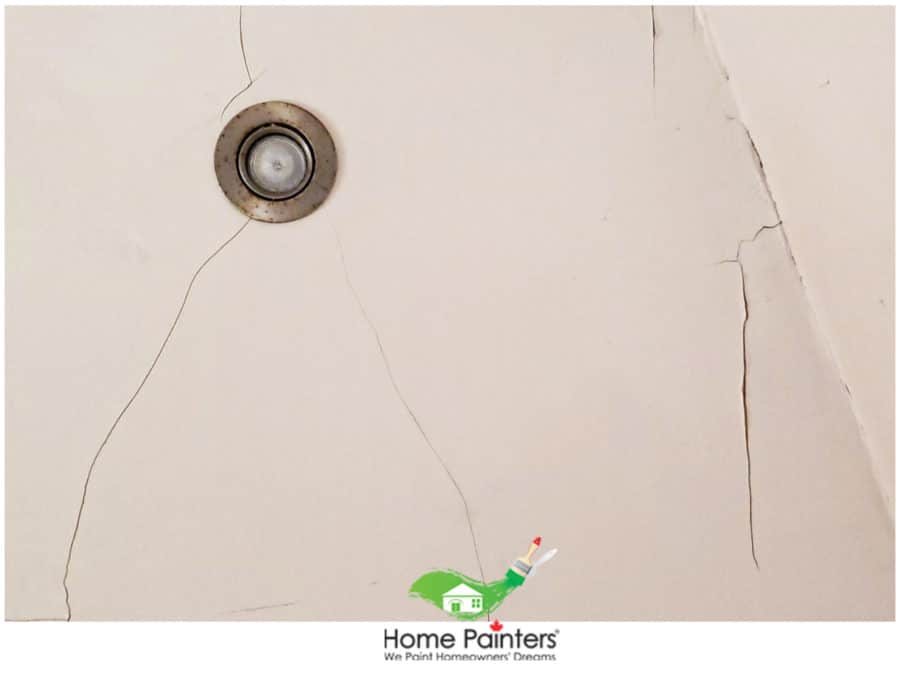
The wrong paint type on the wrong surface leads to peeling, poor adhesion, and costs that far exceed what the right choice would have required from the start.
What Goes Into the Interior Painting Decision
There are usually questions involved when it comes to design and interior painting. Colour is the obvious starting point, but the type of paint chosen matters just as much. Picking the wrong paint from the beginning can increase costs in the long run, and it can cause the entire project to look mismatched or deteriorate sooner than it should.
Decisions like whether to stain or paint a surface, which primer to use, and whether a latex or oil based product is the right call all make a significant difference in the long run. The goal is to avoid any redos and extra costs by choosing wisely from the very beginning. Our full overview of interior painting in Toronto covers the full professional scope our team brings to every residential project.
The Fundamentals of Interior Paints
Interior paint is made up of four core components. Pigments provide colour. Binders hold those pigments together and determine the film hardness and durability of the dried coat. Liquid carriers, which are either water or oil based solutions, make the paint spreadable and evaporate during drying. Additives give paint specific performance characteristics such as mildew resistance, faster drying, or improved levelling.
Understanding these components explains why two paints of the same colour can behave completely differently on the same wall. A paint with a water soluble carrier and an acrylic binder dries faster and produces a more flexible film than one with a solvent carrier and an alkyd binder, even if the pigment formulation is identical.
Types of Interior Paint Finishes: What Each Finish Does and Where It Belongs
The finish of a paint affects how much light it reflects, how durable the surface is, and how easily the painted surface can be cleaned. Choosing the wrong finish for a room is one of the most common interior painting mistakes, because a flat finish in a high traffic hallway and a high gloss finish in a formal bedroom both create problems that a simple colour change cannot fix.
| Finish | Sheen Level | Best Rooms | Key Trade Off |
|---|---|---|---|
| Flat / Matte | Minimal | Adult bedrooms, low traffic rooms, ceilings | Hides imperfections best; not cleanable in high traffic areas |
| Eggshell | Low | Living rooms, dining rooms, main floor walls | Easy to clean; slight lustre; good all around residential choice |
| Satin | Medium | Children's rooms, hallways, family rooms | Excellent cleanability; can show application marks on large flat walls |
| Semi Gloss | High | Kitchens, bathrooms, trim, doors, casings | Maximum moisture resistance; highlights surface imperfections under raking light |
| High Gloss | Very high | Trim and furniture surfaces with heavy wear | Most durable and reflective; requires meticulous substrate preparation to look smooth |
- Flat and matte finishes absorb light and minimize the appearance of uneven surfaces, making them ideal for older Toronto homes with textured or imperfect plaster walls.
- Eggshell finishes offer slightly more durability and cleanability than flat, making them the most commonly specified interior wall finish in professional residential projects.
- Satin finishes resist scrubbing well, which makes them the right call for rooms where fingerprints, crayon, and general household grime are a daily reality.
- Semi gloss is mandatory in bathrooms and kitchens because moisture resistance is not optional in those environments, and flat or eggshell finishes would fail quickly.
- High gloss finishes require the most surface preparation. Any imperfection in the substrate reads as a defect under the reflective surface.
Paint Composition: The Chemistry of Colour
Interior paints come in two primary base formulations, and the choice between them is driven by the surface type and performance requirements of the specific application.
- Water based paints are beloved for their ease of use and quick drying time. They have less odour than oil based paints and have become the standard for most interior applications across the GTA.
- Oil based paints are touted for their durability and rich finish. They are excellent for trims and mouldings. They take longer to dry and require solvents for cleanup, but their smooth, hard enamel finish is often worth the extra effort on high contact wood surfaces.
Water Based vs Oil Based Interior Paint: A Complete Comparison for Toronto Homes
Toronto's climate creates specific conditions that affect paint performance throughout the year. Winter dryness under forced air heating accelerates drying and can cause oil based paint to dry too fast and crack if conditions are not managed. Summer humidity slows drying of both product types and can trap moisture beneath water based films if a second coat is applied too soon. Understanding these dynamics shapes which product is selected for which scope.
| Factor | Water Based (Latex / Acrylic) | Oil Based (Alkyd) |
|---|---|---|
| Drying time | 2 to 4 hours between coats | 24 to 48 hours between coats |
| Odour | Low; suitable for occupied homes | Strong; requires ventilation |
| Cleanup | Soap and water | Mineral spirits or paint thinner |
| Flexibility | High; better for Toronto freeze and thaw cycling on wood | Lower; can crack over time on surfaces exposed to seasonal movement |
| Surface hardness | Good with premium 100% acrylic products | Excellent; harder film on trim and doors |
| Yellowing | No yellowing over time | Can yellow in low light areas, particularly on white or off white trim |
| Best applications | Walls, ceilings, most interior surfaces | Trim, doors, cabinets, high contact wood, metal surfaces |
| VOC content | Low to zero VOC options widely available | Higher VOC; many formulations restricted in Ontario |
| Availability in Ontario | Widely available | Limited; many alkyd formulations discontinued or restricted |
What Is Needed for an Interior Painting Project?
A complete interior painting scope requires more than just paint. Having the correct materials at the start of a project prevents interruptions and ensures proper results throughout.
- Paint of choice, with enough product calculated for the full scope including two coats
- Primer, matched to the surface type and the paint product being applied over it
- Rollers, matched to the surface texture (short nap for smooth walls, longer nap for textured surfaces)
- Quality brushes for cutting in at edges, corners, and trim lines
- Paint roller extension pole for walls and ceilings
- Drop cloths to protect floors and furniture
- Paint trays and liners
- Sandpaper for surface preparation between primer and topcoat
- Painter's tape for masking edges, trim, and adjacent surfaces
If managing all of these materials and the coordination they require is not the preferred path, Home Painters Toronto handles every element of the interior painting scope professionally.

Primer is the most overlooked step in an interior painting project, and skipping it is the single most common reason a paint job fails within the first year.
What Kind of Paint Is Best for Interior Walls?
The vast majority of professional painters specify latex paint for residential interior walls because it performs reliably on most surfaces including wood, concrete, and drywall. Latex is water soluble, durable, and resistant to chipping and cracking. It also resists yellowing in areas exposed to daylight, which is a specific advantage over oil based products in rooms with south or west facing windows.
Latex dries significantly faster than oil based paint. It carries less odour and can be cleaned up with soap and water. Premium 100% acrylic latex products are also more environmentally friendly and carry low to zero VOC ratings, which matters both for indoor air quality during and after painting and for compliance with Ontario's increasingly strict VOC regulations.
Premium acrylic latex products from recognized manufacturers like Benjamin Moore represent the professional standard for Toronto residential interiors. The Regal Select, Aura, and Ben product lines all offer formulations suited to different room types, traffic levels, and substrate conditions.
How to Know Which Interior Paint Is Right for the Specific Space
Latex paint works well in nearly any room in a Toronto home. That said, there are specific situations where oil based paint or a water based alkyd (which combines the low odour and quick cleanup of latex with the hardness of an alkyd binder) becomes the more practical choice.
High moisture rooms like kitchens and bathrooms sometimes benefit from oil based or alkyd formulations because their film hardness resists moisture driven wear better than standard latex at the same sheen level. Wooden stairways under heavy foot traffic, and doors and trim on heavily used entryways, are additional situations where the harder film of oil based or alkyd products produces a longer lasting result.
Metal surfaces are one of the clearest situations where oil based paint outperforms latex. Water soluble latex does not bond well to bare metal and has a shorter lifespan on ferrous surfaces than a properly applied oil based or alkyd formulation. Railings, metal doors, and any painted metal structural elements around a Toronto home belong in this category.
In Ontario, many traditional oil based formulations have been restricted or discontinued due to VOC regulations, so water based alkyd products like Benjamin Moore Advance fill this role for most residential trim, door, and cabinet applications. The result closely matches the hard enamel of oil based paint with the lower odour and cleanup convenience of a water based system.
Interior Paint Type Selection: Room-by-Room Guide for Toronto Homes
Room function, traffic level, and moisture exposure all drive the correct paint type and finish selection. This table reflects what professional painters specify most often in Toronto residential projects.
| Room | Paint Type | Recommended Finish | Notes |
|---|---|---|---|
| Living room | 100% acrylic latex | Eggshell | Good cleanability; reflects light well; works in both high and low light rooms |
| Dining room | 100% acrylic latex | Eggshell or satin | Satin preferred if the room is used heavily for entertaining with children |
| Bedroom (adult) | 100% acrylic latex, low VOC | Flat or eggshell | Flat hides ceiling and wall imperfections; low VOC reduces off gassing in sleeping spaces |
| Children's bedroom | 100% acrylic latex, zero VOC | Satin | Scrubbable; zero VOC for air quality; brighter colours hold better in satin than flat |
| Kitchen | 100% acrylic latex or water based alkyd | Semi gloss on all surfaces | Moisture and grease resistance are mandatory; semi gloss wipes clean easily |
| Bathroom | 100% acrylic latex with mildew inhibitor | Semi gloss | Mould resistance built into product; semi gloss sheds moisture off wall surface |
| Hallway and stairwell | 100% acrylic latex | Satin or semi gloss | Highest contact area in the home; needs the most durable finish of any wall surface |
| Trim, doors, and casings | Water based alkyd (Benjamin Moore Advance) or oil based | Semi gloss | Hard film resists daily contact and cleaning; yellowing resistance matters on white trim |
| Ceilings | Flat interior latex (dedicated ceiling paint) | Flat | Zero sheen ceiling prevents glare under lighting; flat hides any minor surface irregularity |
Considerations Before Making the Final Paint Selection
Assessing the Use of the Space
The choice of paint type is not only about aesthetics. The function of each space shapes the decision significantly. High traffic areas and rooms prone to moisture benefit from more durable, glossier finishes, while bedrooms may call for a cozier, matte look that prioritises a calm, restful visual environment over scrubbability.
Health and Environment: Low VOC and Zero VOC Interior Paint
Ventilation concerns and sensitivity to chemicals make low or zero VOC paint the responsible choice for both indoor air quality and the broader environment. Toronto homeowners painting nurseries, children's bedrooms, and any space used continuously benefit most from zero VOC formulations. Our guide on getting rid of paint smells covers how VOC content directly affects how long a freshly painted room takes to return to comfortable, usable condition.
Testing Colours Before Full Commitment
Colour chips and digital swatches rarely represent how a colour will look in a specific room's light. Painting a large patch, approximately 30 by 30 centimetres, of the actual chosen colour directly on the wall and observing it at different times of day, including morning, afternoon, and evening under artificial light, is the most reliable test before committing to a full application.
Interior Primer: The Step That Determines How Long a Paint Job Lasts
Primer is the most overlooked step in an interior painting project, and skipping it is the single most common reason a paint job fails within the first year. Primer creates chemical adhesion between the substrate and the topcoat, seals porous surfaces so they absorb paint consistently across the full wall, and prevents stains and tannins from bleeding through the finished colour.
For most Toronto interior surfaces, a quality 100% acrylic interior primer is the standard starting point. Benjamin Moore's Fresh Start Premium Interior Primers include multiple formulations suited to different surface conditions, from standard high hiding all purpose primer to alkyd based undercoaters for wood trim and stain blocking primers for water damaged or smoke affected surfaces.
| Primer Type | When to Use It | Product Example |
|---|---|---|
| Standard acrylic interior primer | New drywall, previously painted walls in good condition, colour changes | Benjamin Moore Fresh Start High Hiding All Purpose Primer K046 |
| Stain blocking primer (alkyd or shellac) | Water stains, smoke damage, nicotine, tannin bleed from wood, mould affected surfaces | Benjamin Moore Fresh Start Undercoater and Primer Sealer K032; Zinsser BIN Shellac Based Primer |
| High adhesion bonding primer | Glossy surfaces, previously painted oil based coats where latex will be applied over, tile and laminate | INSL X Prime Lock Plus or equivalent |
| 2 in 1 primer paint | Clean, previously painted surfaces in good condition with only a minor colour change | Standard for touch up or maintenance painting where full re prime is not required |
Cost of Interior Painting in Toronto in 2026
Home Painters Toronto is WSIB compliant, fully insured to $5 million general liability, and all interior painting is backed by a lifetime warranty. All prices below are in CAD and exclude HST.
| Scope | Estimated Cost (CAD) | Notes |
|---|---|---|
| Interior room (living or dining) | $400 – $900 | Includes prep, prime if needed, and two topcoats |
| Interior room (bedroom) | $400 – $800 | Includes prep and two topcoats; low or zero VOC products standard |
| Interior room (bathroom) | $250 – $500 | Semi gloss with mildew inhibitor; moisture resistant products |
| Interior trim, doors, and baseboards (full home) | $700 – $1,200 | Water based alkyd or oil based enamel; semi gloss standard |
| Ceilings (per room) | $1,000 – $1,300 | Flat ceiling paint; includes prep and two coats |
| Full home interior repaint | $3,000 – $7,000 | All rooms, all surfaces; most cost effective when coordinated as single project |
For a full breakdown of interior painting costs, see our interior painting cost guide.
Real Project: Interior Paint Selection Challenge in a North York Heritage Home
North York 1952 Detached: Three Product Types on Three Surface Conditions in One Home
A homeowner in North York contacted Home Painters Toronto to repaint the full interior of their 1952 detached home, which presented a specific product selection challenge: original oil based paint on all trim throughout the home, plaster walls with hairline cracking in several rooms, and a south facing kitchen that had developed significant moisture related paint failure around the window above the sink.
Our team's assessment specified three different product types for three different surface conditions in the same home. The plaster walls received Benjamin Moore Fresh Start High Hiding All Purpose Primer K046, which addressed both the colour change from a dated terracotta to a warm neutral and the inconsistent absorption that old plaster presents. The trim throughout the home was specified for Benjamin Moore Advance Water Based Alkyd in Semi Gloss, applied over an oil based bonding primer to ensure adhesion over the existing alkyd enamel without sanding back to bare wood. The kitchen walls received Benjamin Moore Regal Select in Semi Gloss after the moisture source (a failed window caulk joint) was corrected and the affected section received a stain blocking primer coat.
The completed project demonstrated why paint type selection is not a single decision but a surface by-surface assessment. Each room used the same colour family, but the specific primer and topcoat for the plaster walls, the oil based trim, and the moisture affected kitchen all differed based on the actual substrate condition. The homeowner reported that the new trim finish was noticeably harder and more consistent than anything they had experienced with previous painting projects.
Home Painters Toronto is WSIB compliant, fully insured to $5 million general liability, and all interior painting is backed by a lifetime warranty. For completed projects, visit our Toronto painting projects page. Same day free estimates are available seven days a week across the GTA.
Interior Painting Product Recommendations
As a professional painting company with 37 years of experience in Toronto and the GTA, Home Painters Toronto specifies Benjamin Moore products exclusively for residential interior work. The Regal Select, Aura, and Ben product lines deliver on quality, smoothness, and durability consistently enough that our team uses them on every project. A quality primer before painting is non negotiable. Benjamin Moore's Fresh Start Latex Primer is a dependable starting point for most interior applications. For colour inspiration, our colour inspiration page covers the full range of current options for Toronto homes.
Frequently Asked Questions About Picking the Right Type of Interior Paint
100% acrylic latex paint in an eggshell or satin finish is the professional standard for Toronto interior walls. It resists moisture and chipping, dries quickly, cleans easily with soap and water, and carries low or zero VOC options suited to occupied homes. Premium product lines from Benjamin Moore provide the most consistent results across different substrate conditions.
Water based alkyd paint, such as Benjamin Moore Advance, is the current professional standard for interior trim, doors, and cabinets in Ontario. It produces the hard, smooth enamel finish of oil based paint while using a water based carrier that dries faster, smells less, and cleans up with soap and water. Traditional oil based alkyd paint remains relevant for metal surfaces and for situations where an existing oil based coat is being recoated in kind.
Primer is needed before painting in almost all situations except a simple maintenance recoat of an identical or very similar colour over a sound, clean existing latex coat. New drywall, plaster, bare wood, any colour change, any surface with water stains or smoke damage, and any surface where oil based paint previously was applied all require a specific primer before the topcoat. Skipping primer is the most common cause of interior paint adhesion failure.
Semi gloss is the professional standard for both kitchens and bathrooms because it resists moisture, wipes clean easily, and holds up to the humidity and steam these rooms generate daily. A mould inhibiting additive or a mould resistant paint formula is recommended for bathroom surfaces specifically, and for any kitchen area behind the stove or above the sink where moisture accumulation is most concentrated.
Interior painting for a standard living or dining room costs between $400 and $900 in Toronto. A bedroom runs $400 to $800. A bathroom runs $250 to $500. A full home interior repaint across all rooms runs $3,000 to $7,000 depending on the number of rooms, surface conditions, and whether trim and ceilings are included. All quotes from Home Painters Toronto are free and provided the same day.
Eggshell has a lower sheen than satin and is more forgiving of minor wall imperfections under different lighting conditions. Satin has a slightly higher sheen, is more durable, and wipes clean more easily, making it the better choice for rooms with higher traffic or more frequent contact from children or pets. Both are more durable than flat or matte and significantly less reflective than semi gloss.
More Helpful Blogs Related to Interior Painting: Picking The Right Type
Ready to Choose the Right Paint for Your Toronto Home?
Home Painters Toronto is the HomeStars Best of Award 2026 winner with a lifetime warranty on all interior painting. Call 416-494-9095 or email [email protected] for a FREE same-day estimate.