
Crown moulding can turn an ordinary room into an extraordinary one. This trim, placed where the wall meets the ceiling, offers a touch of elegance and can enhance the overall aesthetic of your space. If you’re unsure about what crown moulding is or want to know the different types available, you’re in the right place. By the end of this guide, you’ll have a better understanding of crown moulding and be able to choose the perfect type for your home.
Crown moulding, also known as cornice moulding, is a decorative trim that runs along the top edge where the walls and ceiling meet. It adds a finishing touch to a room by creating an elegant transition between two surfaces. Crown moulding is typically used in traditional or formal spaces, but can also add character to modern or contemporary rooms when chosen carefully.
Crown moulding has several benefits that make it a popular choice among homeowners and interior designers. Some of these benefits include:
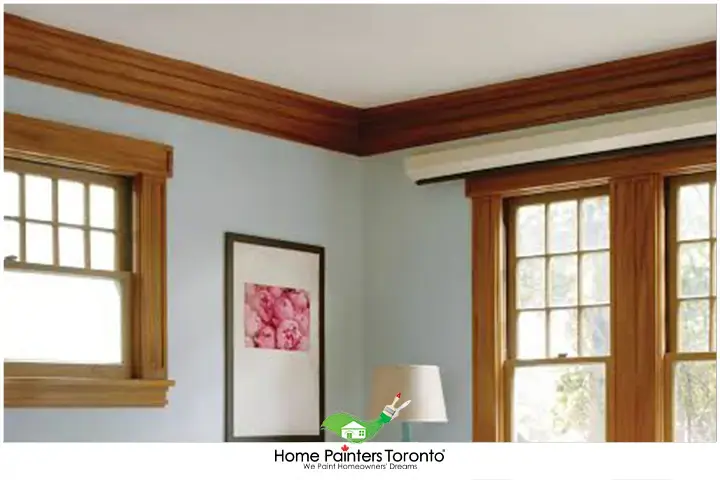
Wood is a classic crown moulding choice that brings warmth and a natural touch to any room. It is available in various types of wood, including oak, maple, and cherry. The beauty of wood moulding lies in its versatility; it can be stained, painted, or left unfinished to match any décor style. Here are some advantages of wood crown moulding:
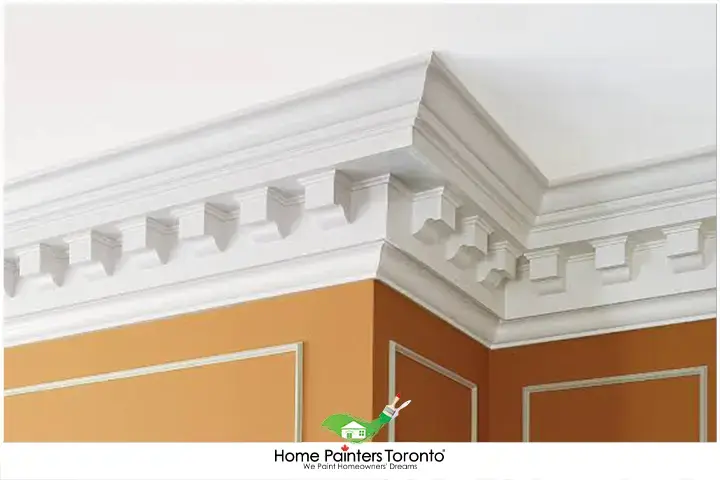
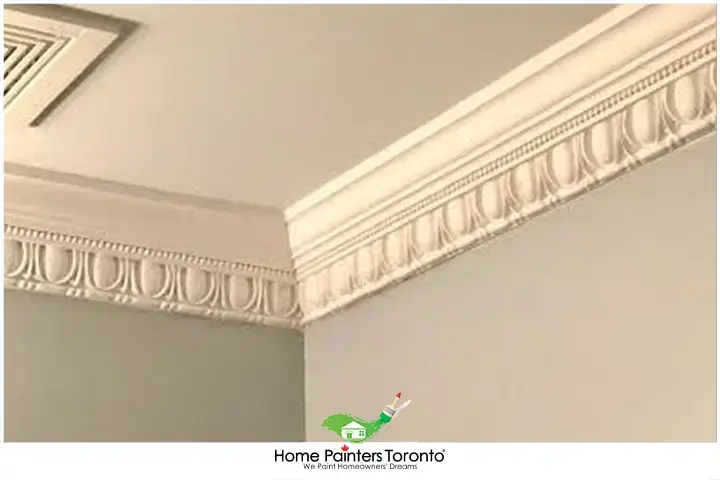
Plaster crown moulding is a traditional choice that offers intricate designs and a luxurious finish. Although it can be more expensive and labour-intensive to install, the results are often stunning and unique. Benefits of plaster crown moulding include:
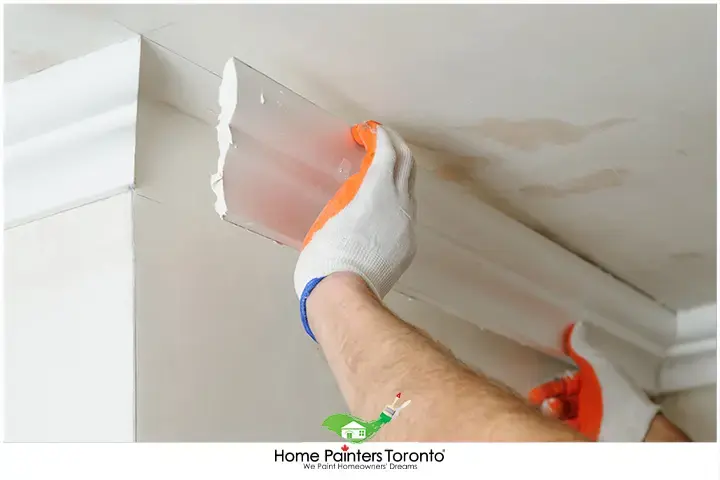
Medium-density fiberboard (MDF) crown moulding is a budget-friendly alternative to wood. It is composed of wood fibres and resin, creating a smooth, uniform appearance. Though it cannot be stained like wood, it can be painted to achieve a similar look. Advantages of MDF crown moulding include:
Polyurethane crown moulding is a synthetic material that offers a moisture-resistant and lightweight alternative to traditional materials. It is especially popular in humid environments like bathrooms and kitchens. Key benefits include:
Polystyrene crown moulding, also known as foam crown moulding, is the most budget-friendly option. Made from lightweight foam, it is easy to install, making it a popular choice for DIY enthusiasts. Benefits of polystyrene crown moulding include:
With these options in mind, you can select the type of crown moulding that best suits your home’s style, budget, and specific needs. Whether you choose the timeless appeal of wood or the practicality of polystyrene, crown moulding can transform your space into a more refined and elegant environment.
Consider Ceiling Height
When choosing crown moulding, consider the height of your ceilings. Taller ceilings can accommodate wider and more intricate moulding, while lower ceilings may look better with simpler and narrower options.
Match to Existing Trim
If you have existing trim in your home, such as baseboards or door frames, you may want to choose crown moulding that complements them. For example, if your baseboards are a specific wood type or painted a certain colour, it’s best to select crown moulding that matches for a cohesive look.
Think About Your Home’s Style
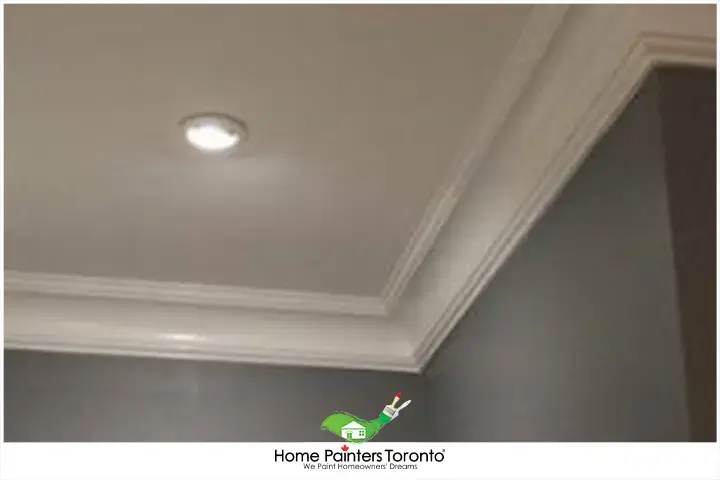
Your home’s overall style should also play a role in your crown moulding choice. For a more traditional look, consider wood or plaster moulding with intricate designs. For a modern or minimalist home, simple and sleek options like MDF or polyurethane may be a better fit.
Take Measurements
Before purchasing crown moulding, take accurate measurements of the areas where you plan to install it. This will help ensure that you buy enough material and prevent any costly mistakes.
Consult with an Expert
If you are unsure about which type of crown moulding is best for your home, consult with an interior designer or professional crown moulding installer. They can offer valuable insight and advice on the best options for your specific space.
The best type of crown moulding depends on your needs. Wood is classic and durable. MDF is budget-friendly. Polyurethane is good for wet places like bathrooms.
Polystyrene crown moulding is the easiest to install. You can cut and glue it in place with simple tools.
Cove moulding has a simple curved shape and is less detailed. Crown moulding is more decorative and adds an elegant touch
Crown moulding is used where the wall meets the ceiling. Trim is used around windows, doors, and at the base of walls.
THE KEY TAKEAWAYS!
Crown moulding ideas are not just limited to traditional styles; they can also be incorporated into modern and contemporary designs. It can add dimension and visual interest to any space, making it a versatile decorative element. Additionally, with the various materials available, you can easily find an option that suits your budget and design preferences. So whether you are looking to add a classic touch or a modern twist, crown moulding is an excellent choice to elevate the overall aesthetic of your home.
TOP Blogs Related to
“TRANSFORM YOUR HOME WITH POPULAR TYPES OF CROWN MOULDING”
Ready to add crown moulding to your home and transform your space into a refined and elegant environment? Home Painters Toronto can help! Our experienced team specializes in crown moulding installation and can guide you through the selection process to find the best match for your home’s style and needs. Contact Home Painters Toronto today for a free consultation and start your journey to a more beautiful home. Call us at 416.494.9095 or email [email protected] for a FREE quote. And don’t forget to follow us on all our social channels below!